-
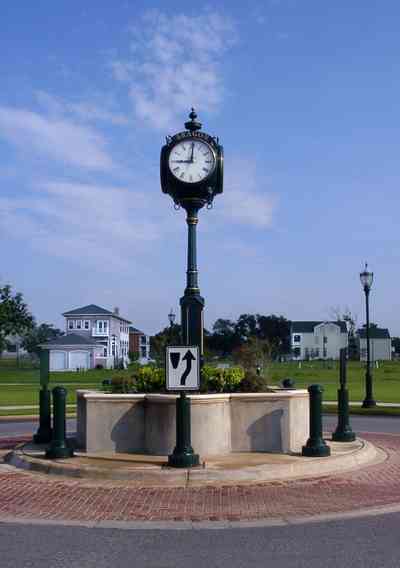
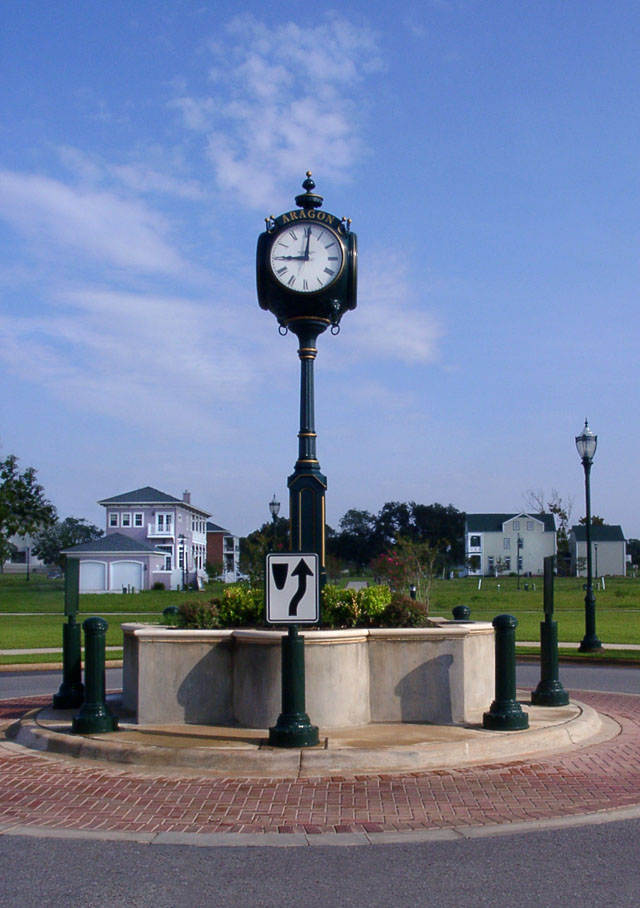
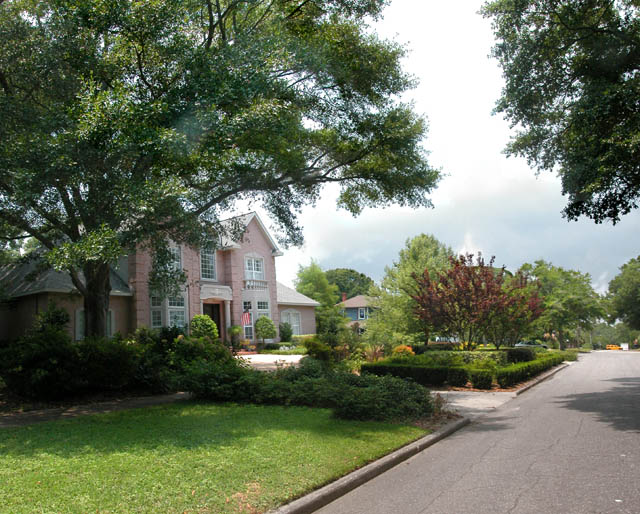
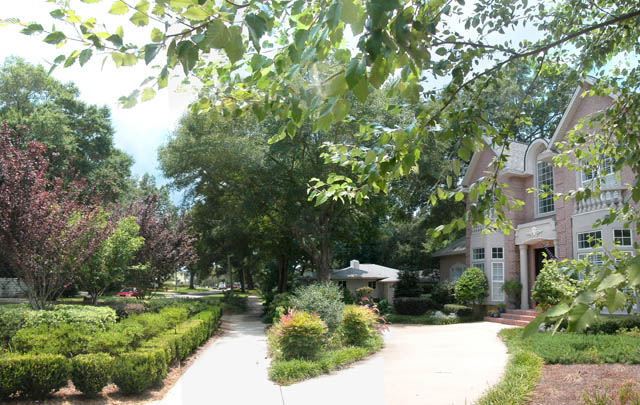
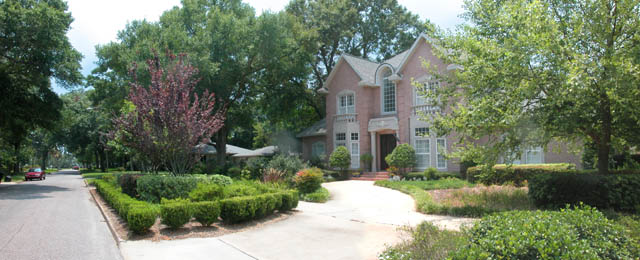
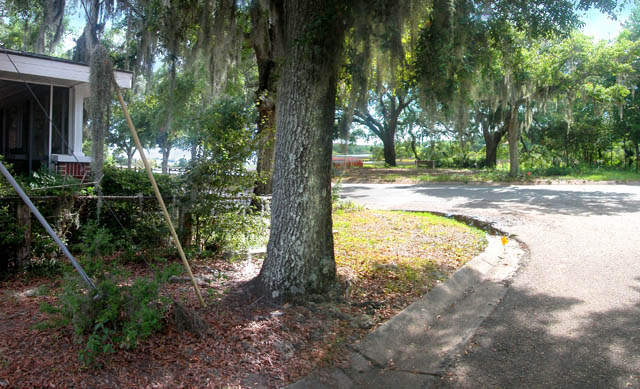
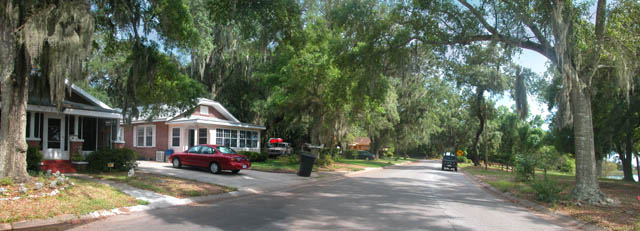
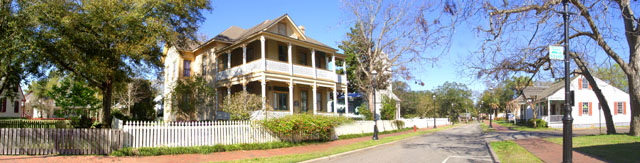
The traffic circle forms a centerpiece for the streetscape. It can be seen from 9th Avenue, Romana Street and Cevallos Street.
-
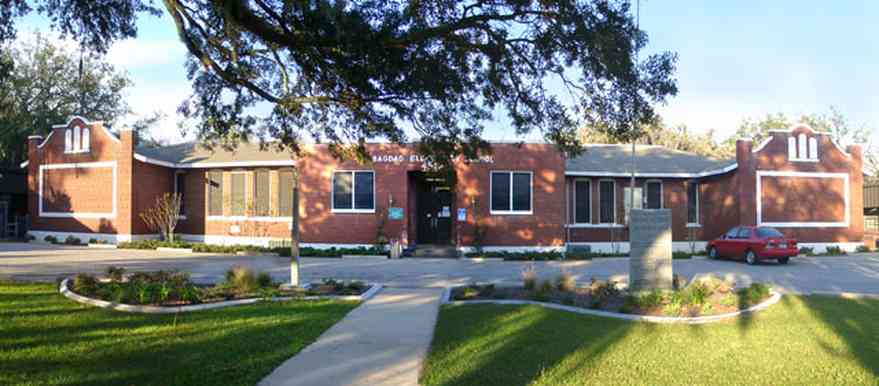
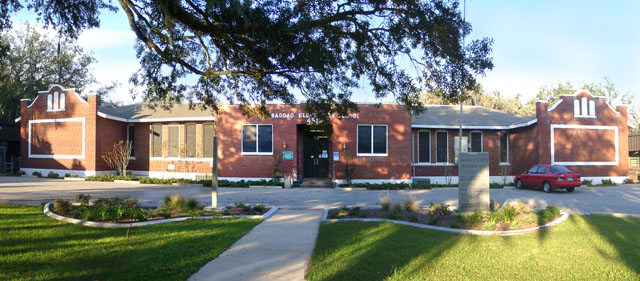
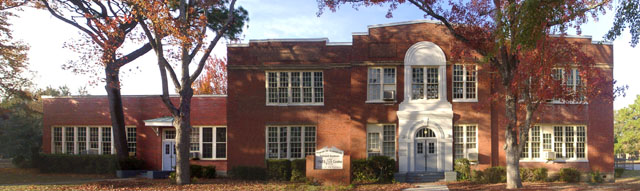
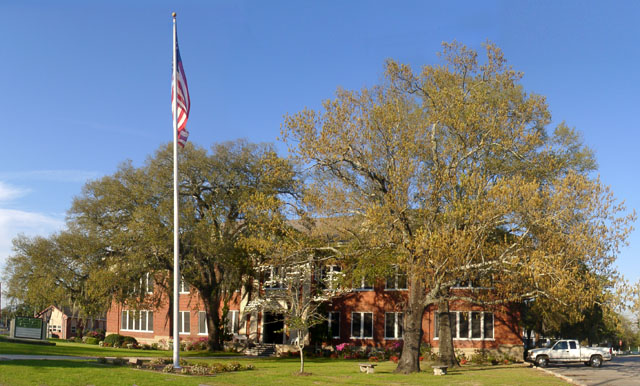
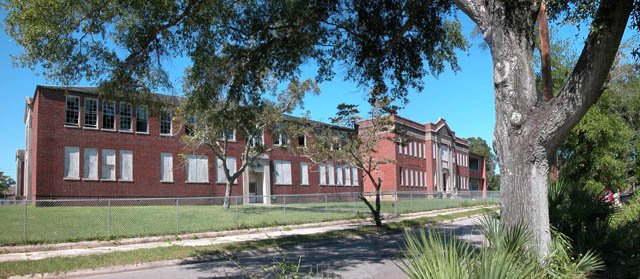
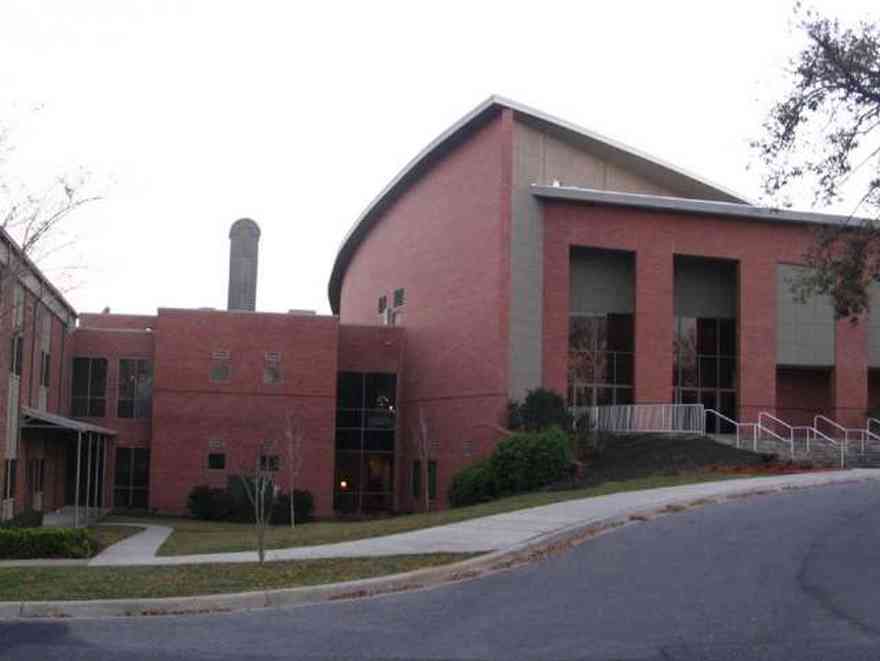
The school was built in 1925 and has seen many additions over the years. It now takes up a city block and space is at a premium.
-
The older part of the building faces Forsyth Street to the west, while the newer additions are to the north, east, and south.
-
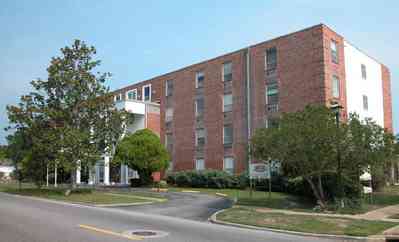
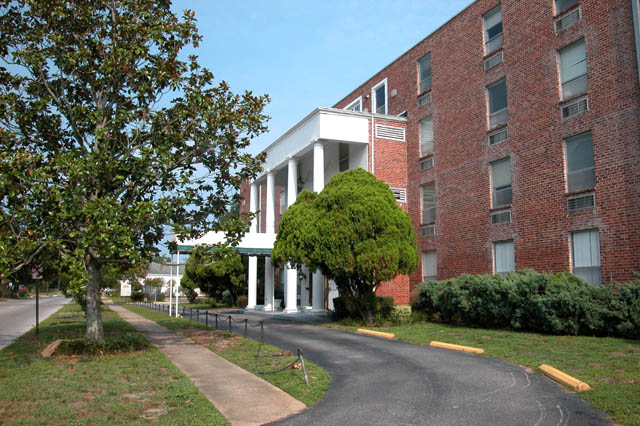
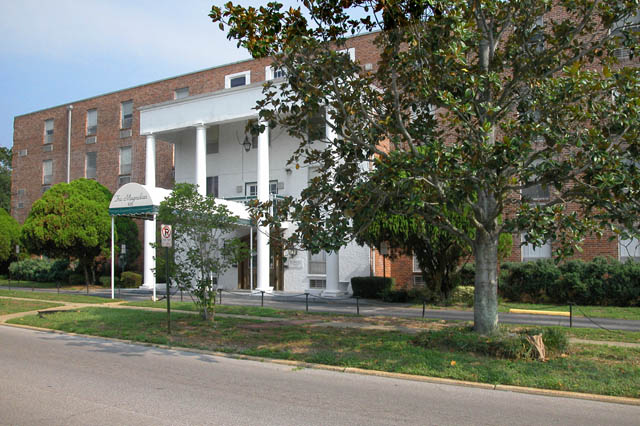
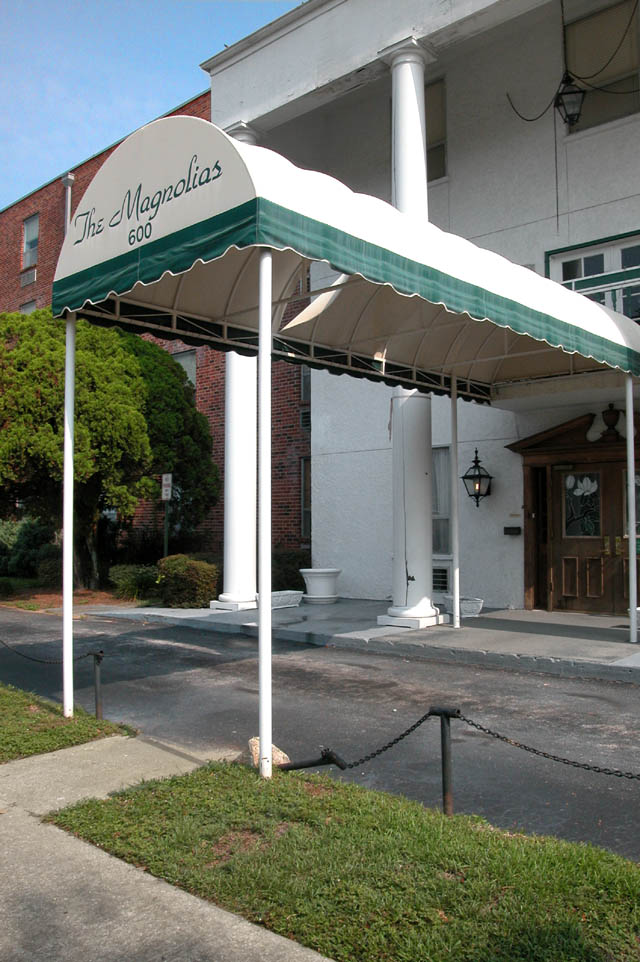
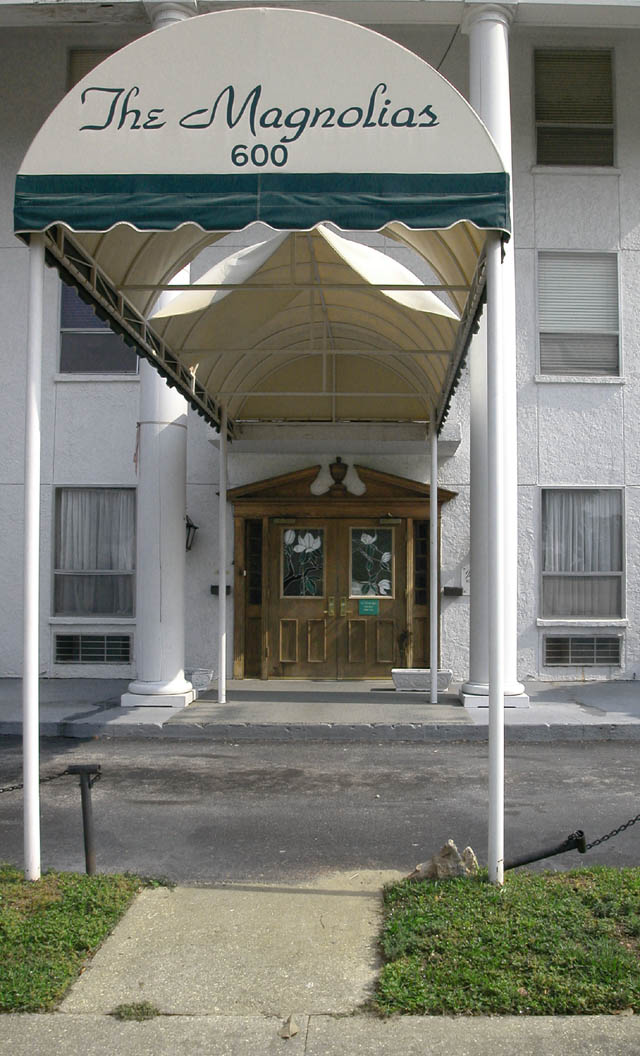
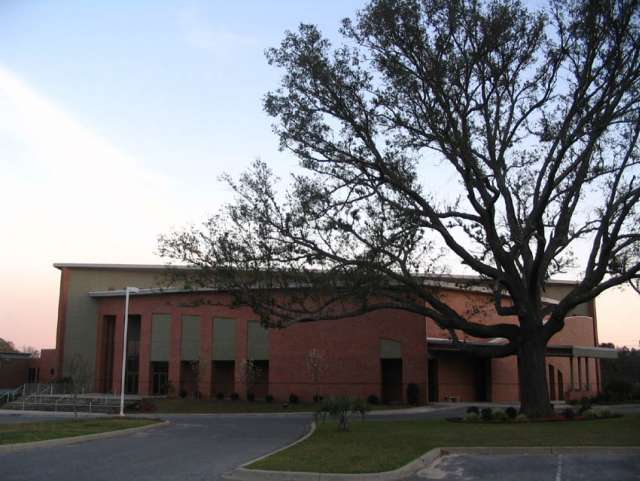
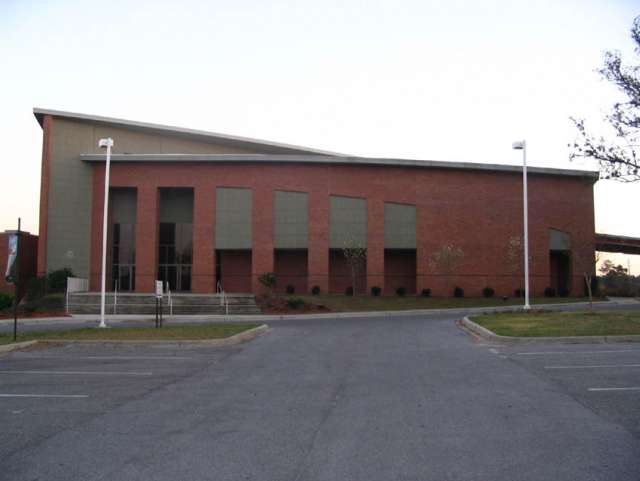
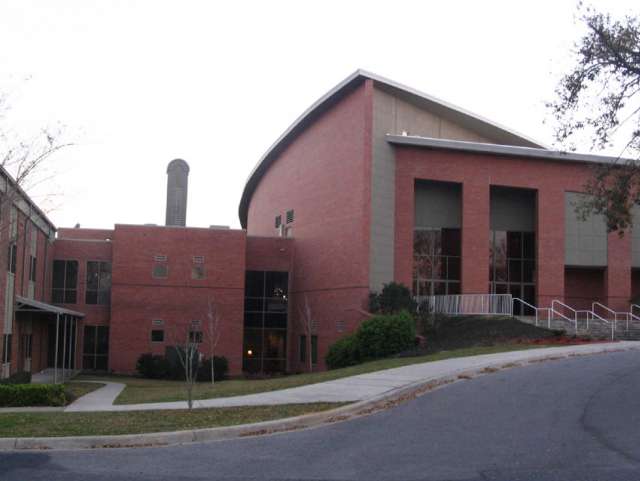
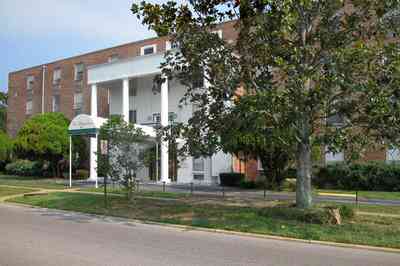
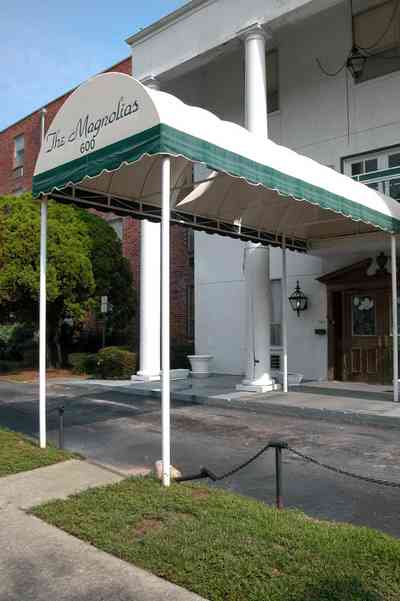
The building is located at 600 West Gregory Street in downtown Pensacola.
-
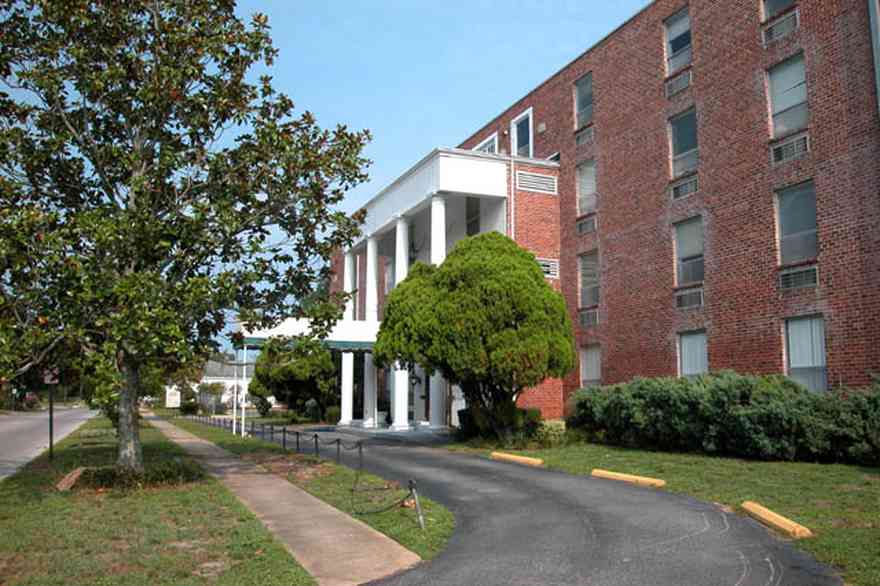
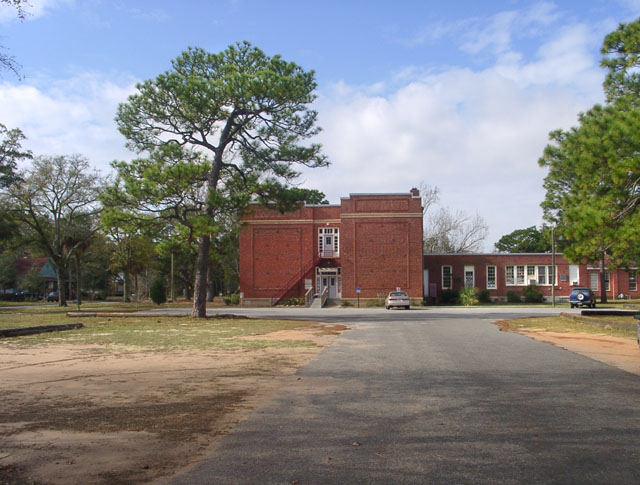
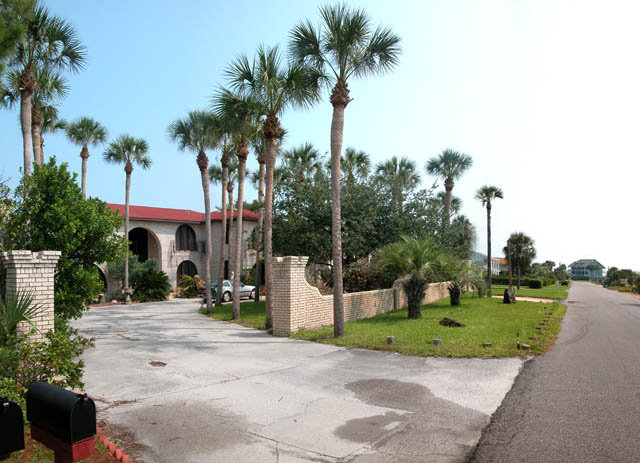
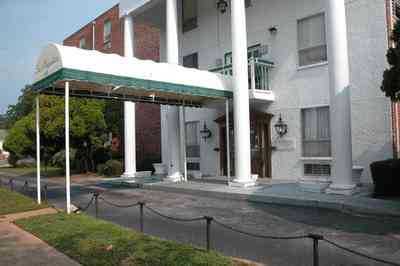
The semi-circular driveway is accessed from West Gregory Street.
-
-
-
-
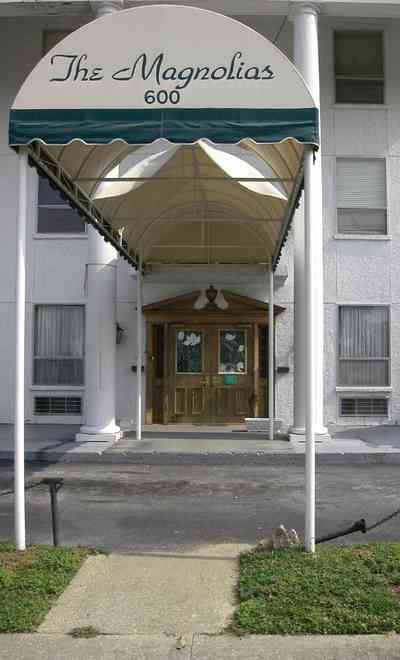
-
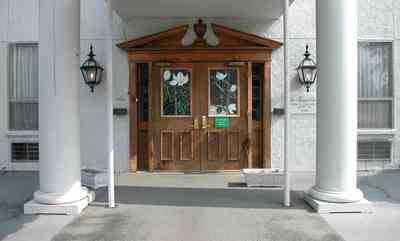
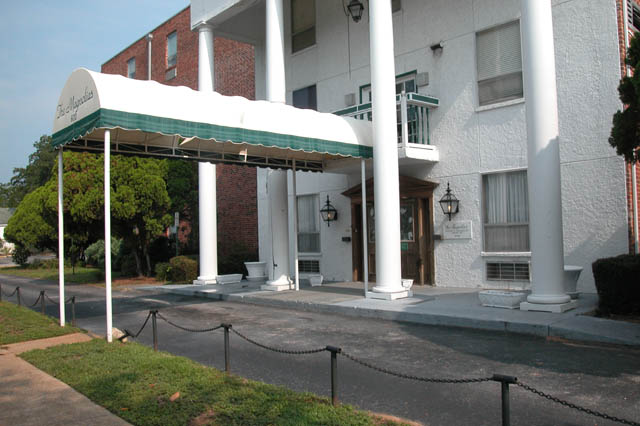
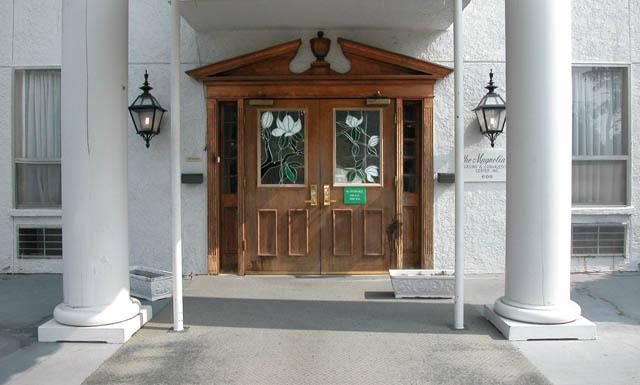
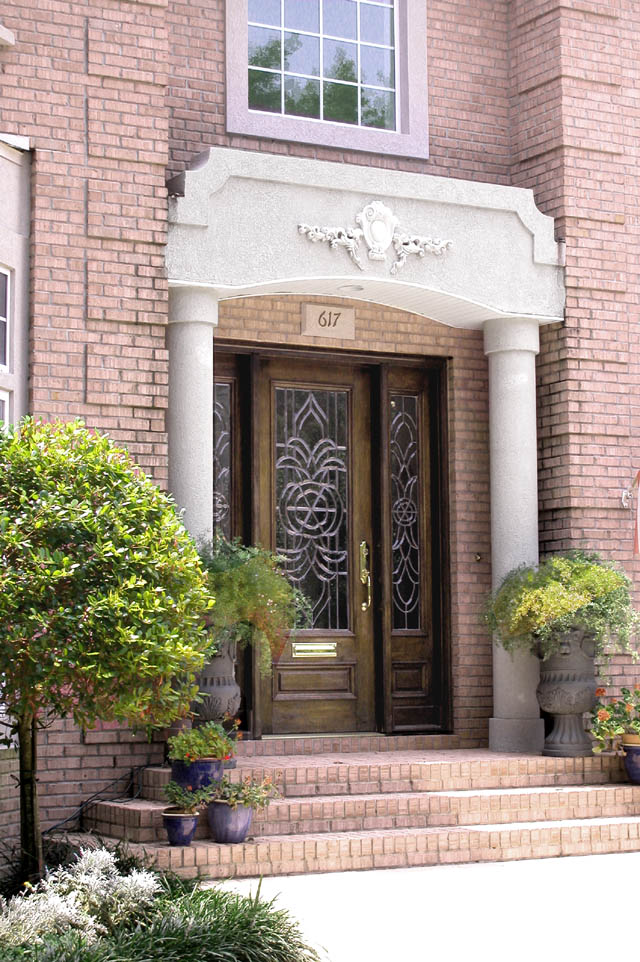
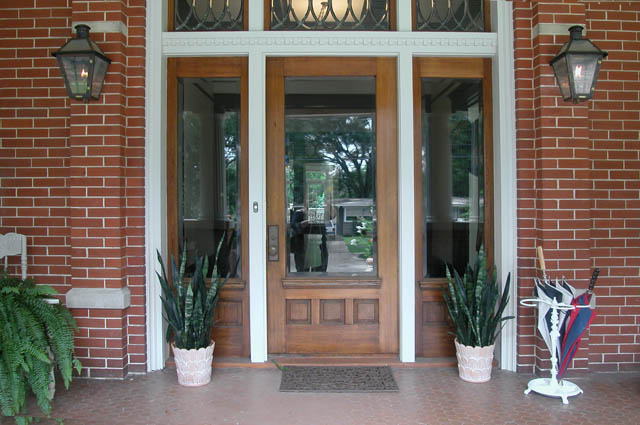
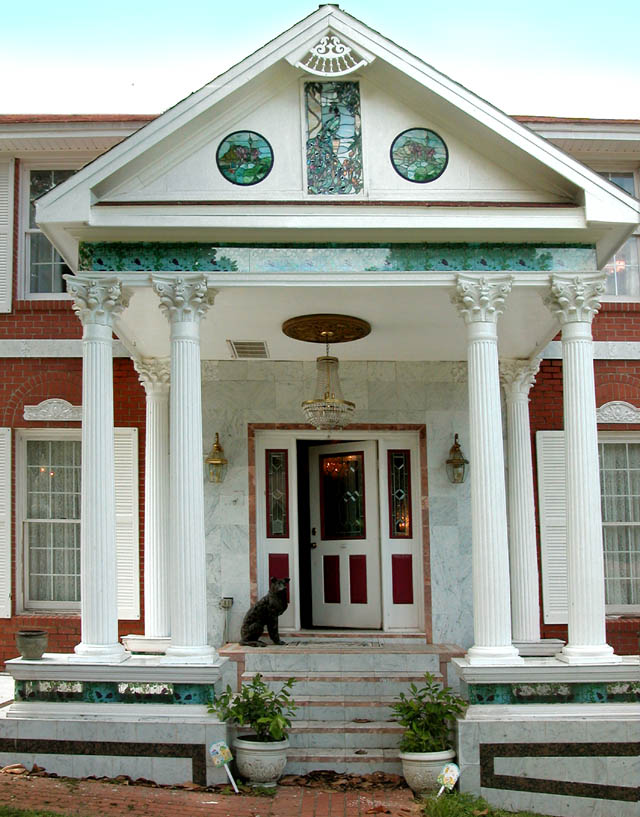
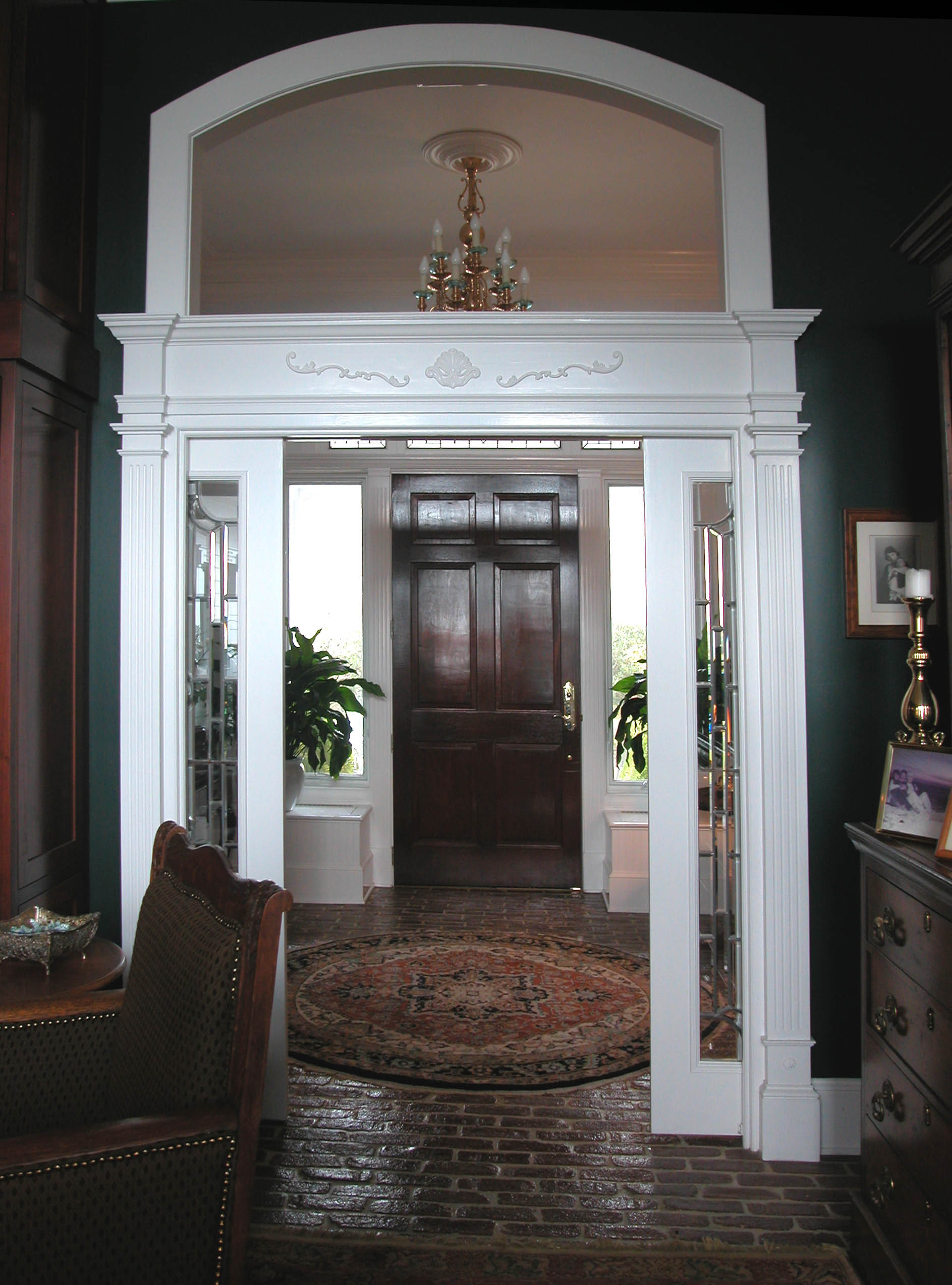
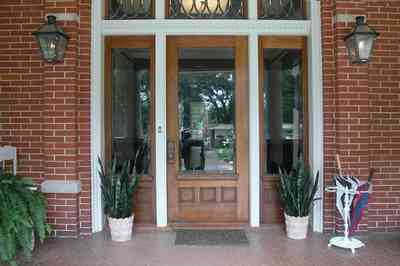
The elegant Regency doorway is a welcoming touch.
-
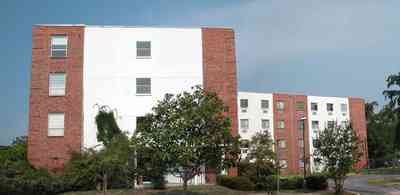
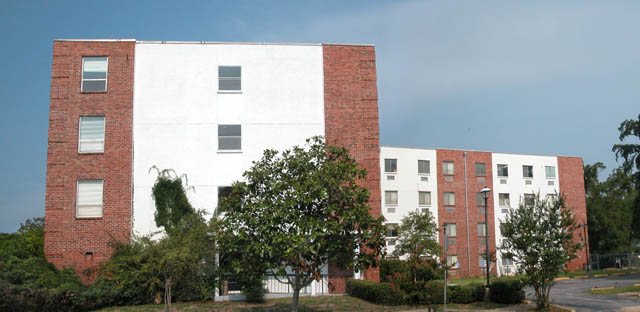
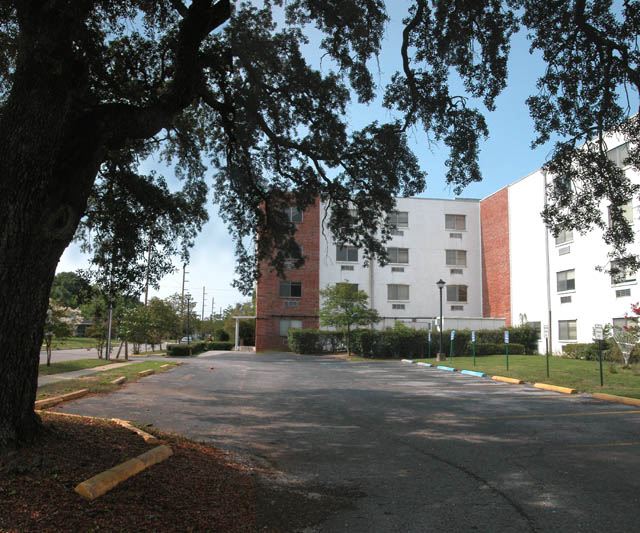
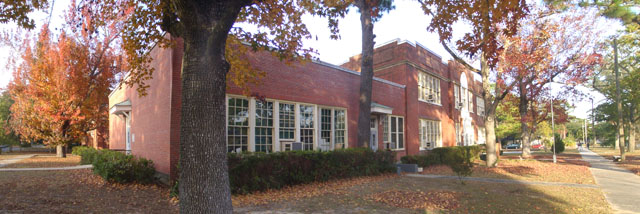
This is the east side of the facility. The visitor parking area is on the northeast side of the building.
-
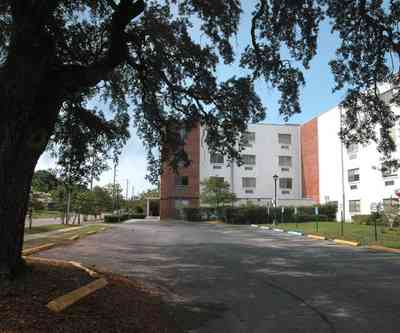
There is about 30 parking spaces in this lot.
-
-
-
-
-
-
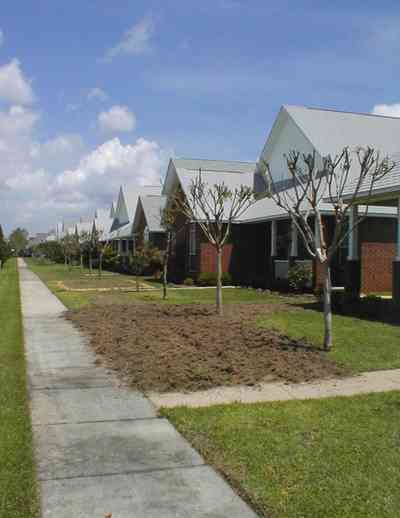
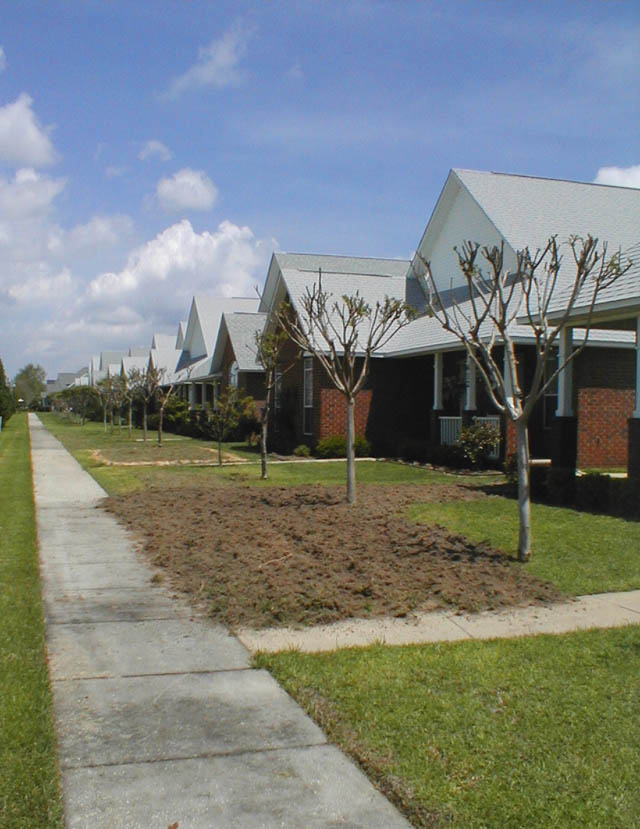
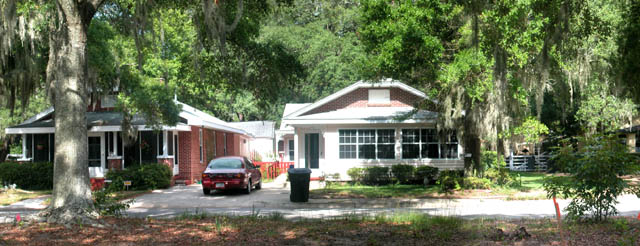
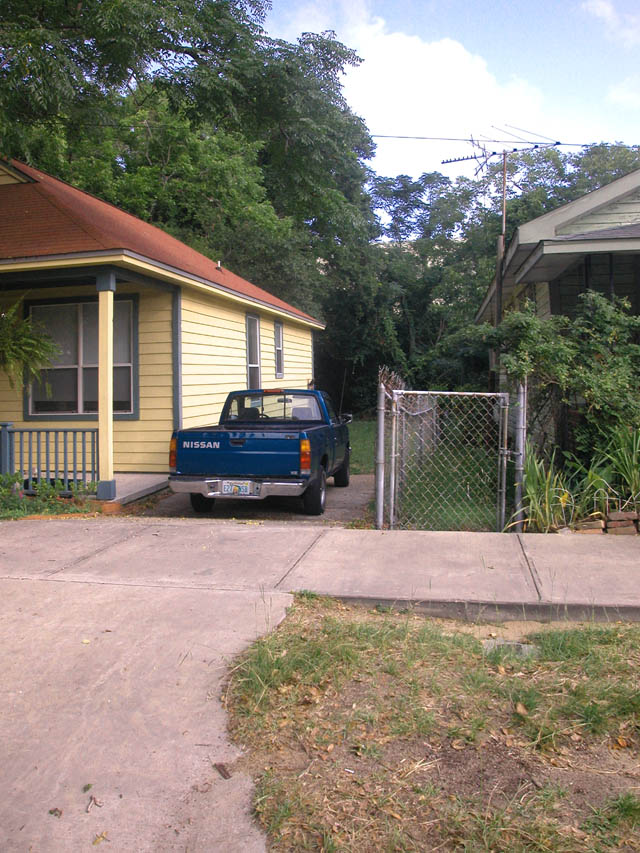
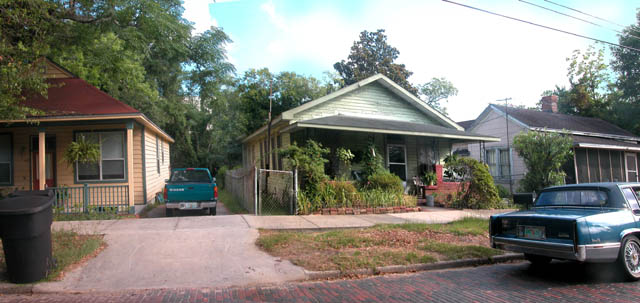
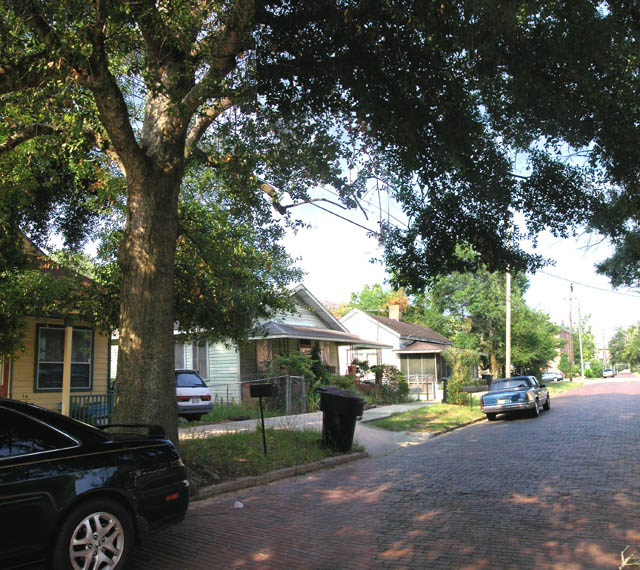
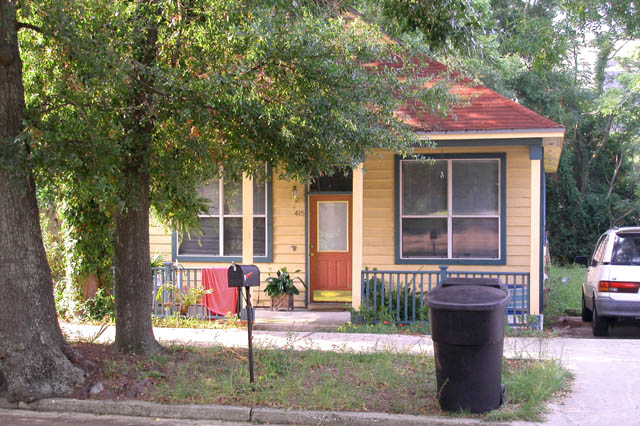
The facade of the homes face the boulevard while the garage access is shown below. Each lot runs through the entire block.
-
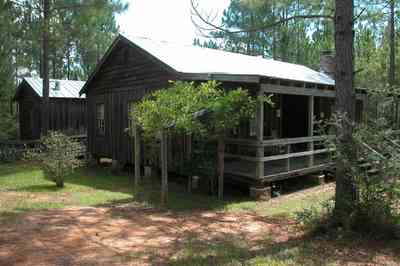
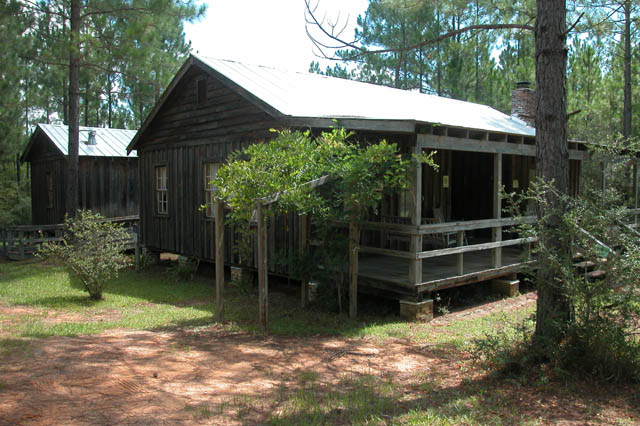
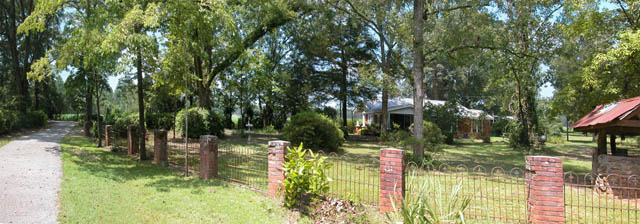
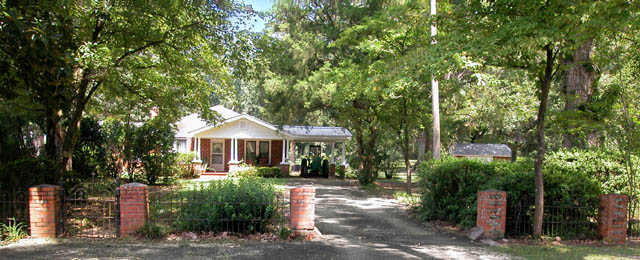
This is a typical Cracker homestead. Cracker refers to the unpretentious people and architecture found on farms and in rural communities still sprinkled throughout the Florida peninsula and panhandle wetlands.
-
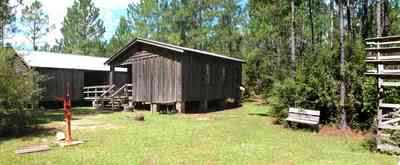
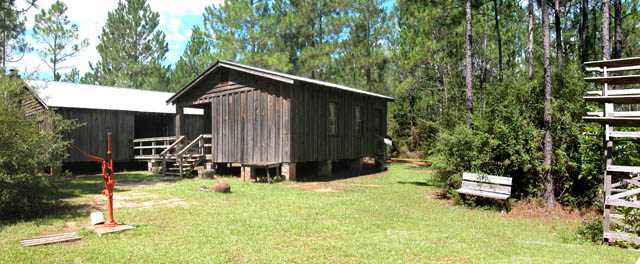
A separate kitchen structure was built out back to isolate the heat of cooking and the hazards of fire.
-
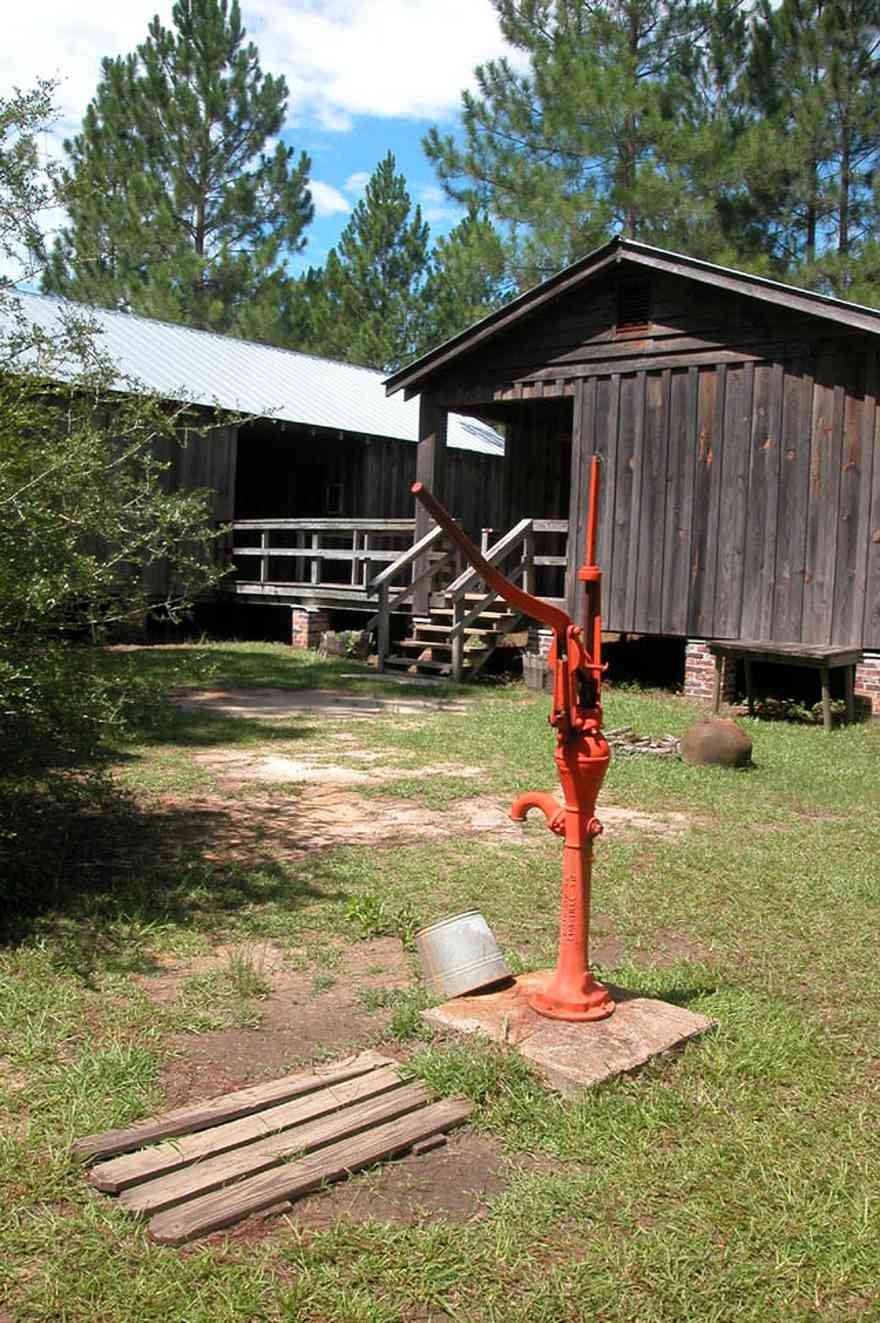
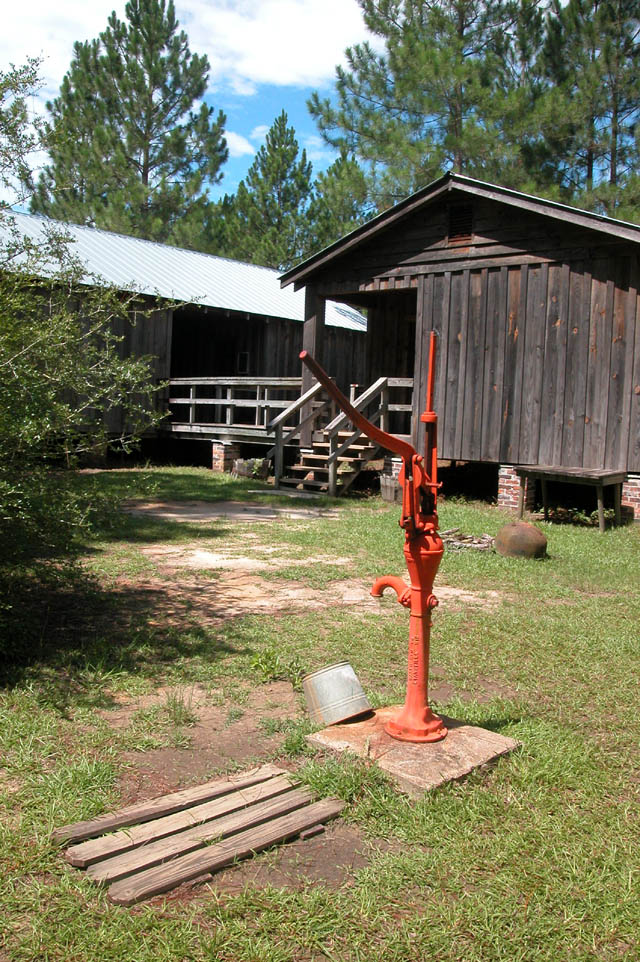
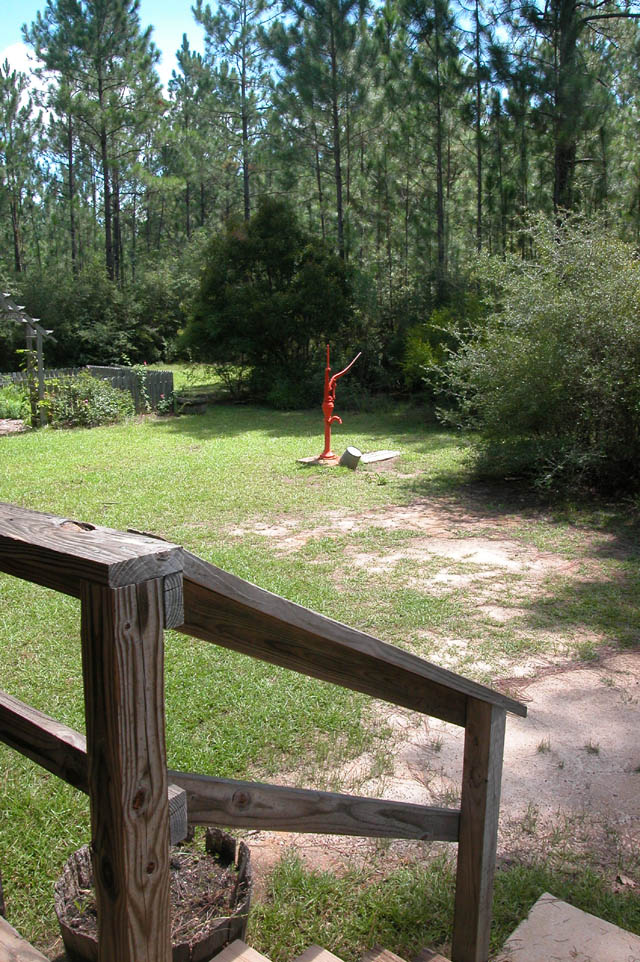
Water was pumped by hand. The well was dug at the rear of the house adjacent to the kitchen.
-
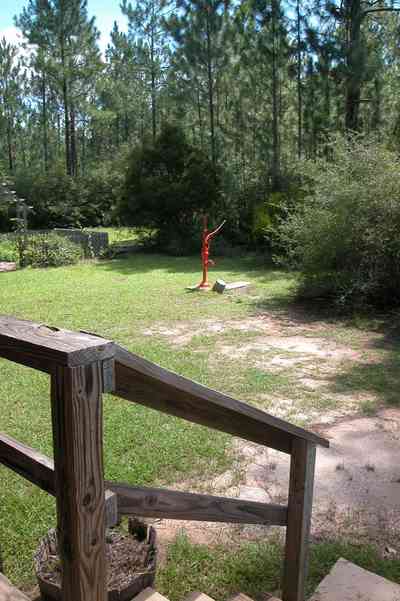
The pump is set just off the back of the main house.
-
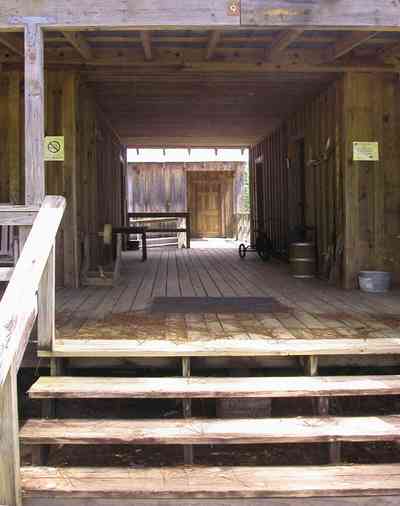
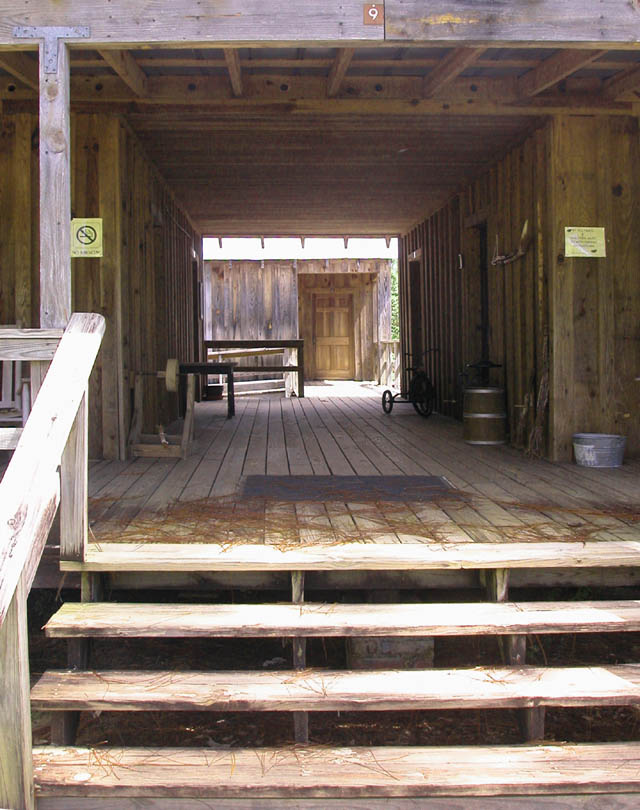
With broad porches and this "dog trot" breezeway, the interior space was somewhat insulated for direct sunlight. It also served as a sheltered workspace. The kitchen building is at the end of the walkway.
-
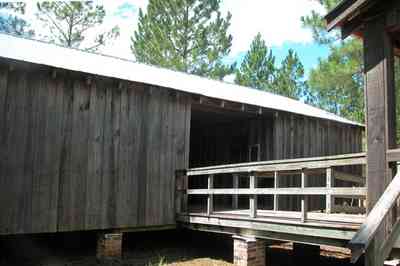
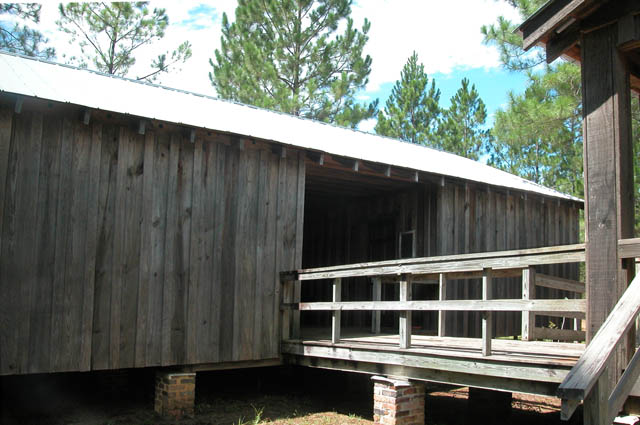
Houses were built high up off the damp ground on piers.
-
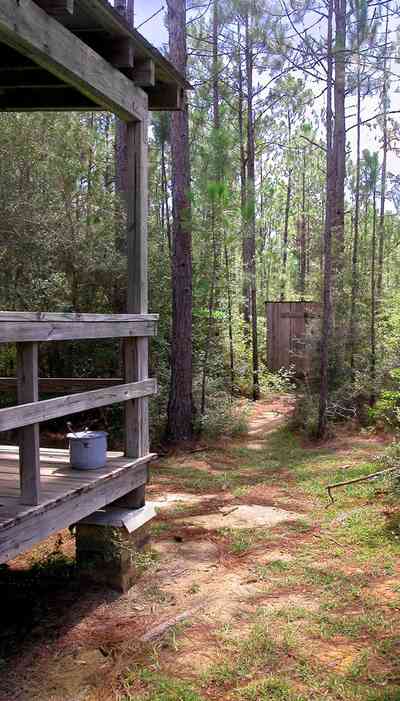
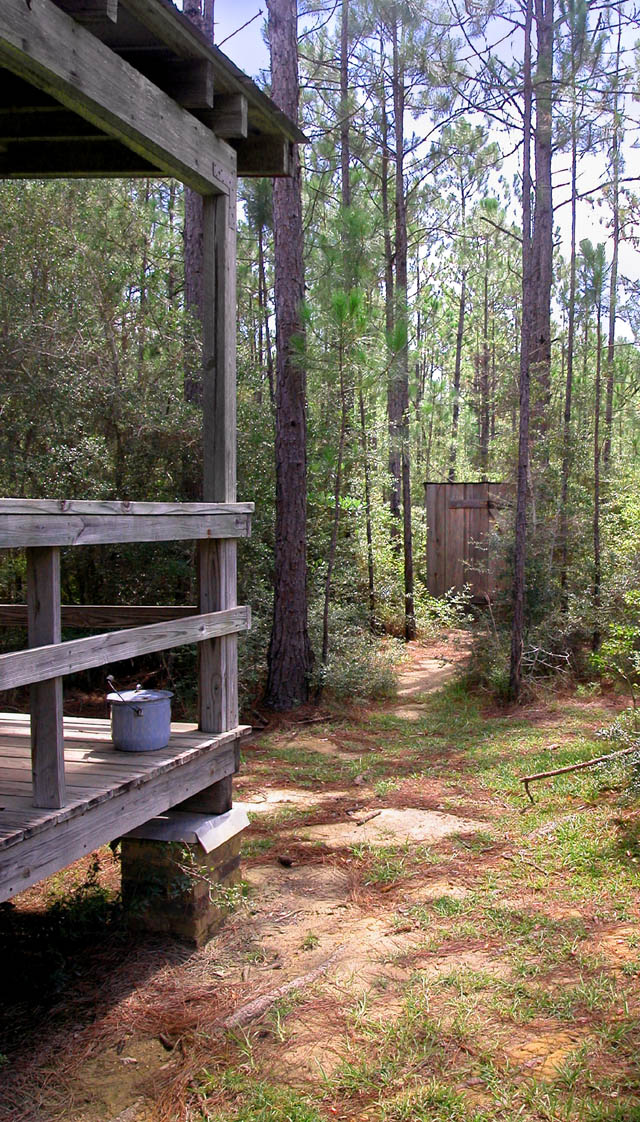
The outhouse can be seen through the trees. Toilets were small wooden buildings commonly with two seating spaces. Unheated, the privy was cold in the wintertime. Waste built up under the seat until it was necessary to move the privy, or construct a new one. At night, women and girls made use of a flanged bucket known asa a slop jar and kept it under their beds. There is a slop jar on the corner of the porch. Indoor plumbing did not come to most farms until the 1930's, 1940's, or 1950's.
-
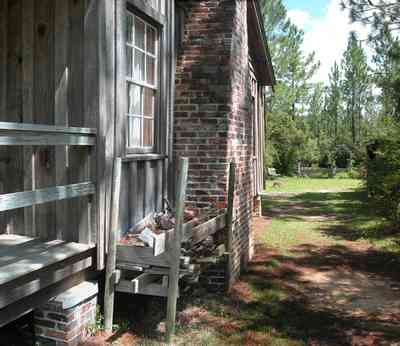
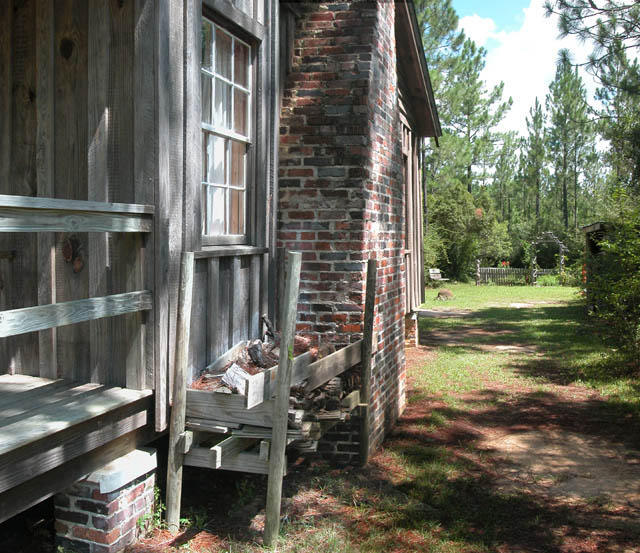
Cracker homesteaders oriented their houses on a north-south axis which maximized solar impact on all three sunny sides. Such a tactic helped to keep the wall dry. Placement of the fireplace and chimney in the north gable end would keep that fourth sunless wall dry as well. In the photograph, the wood is stacked off the ground alongside of the chimney.
-

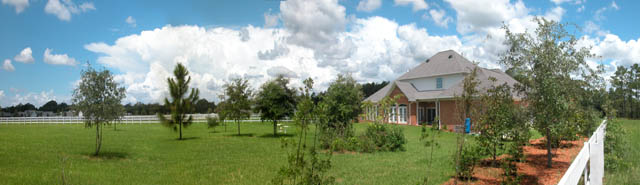
The Century Correctional Facilitiy is located in northwest Escambia County, Florida.
-
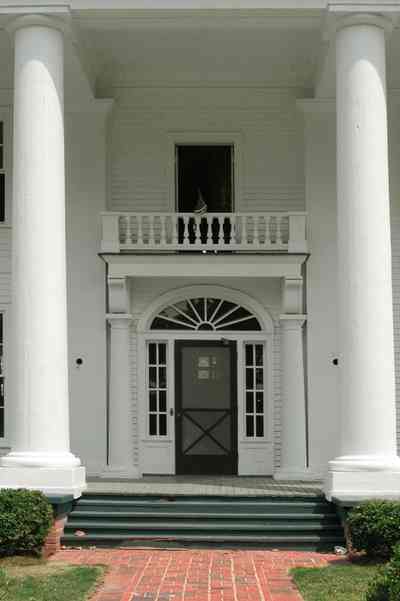
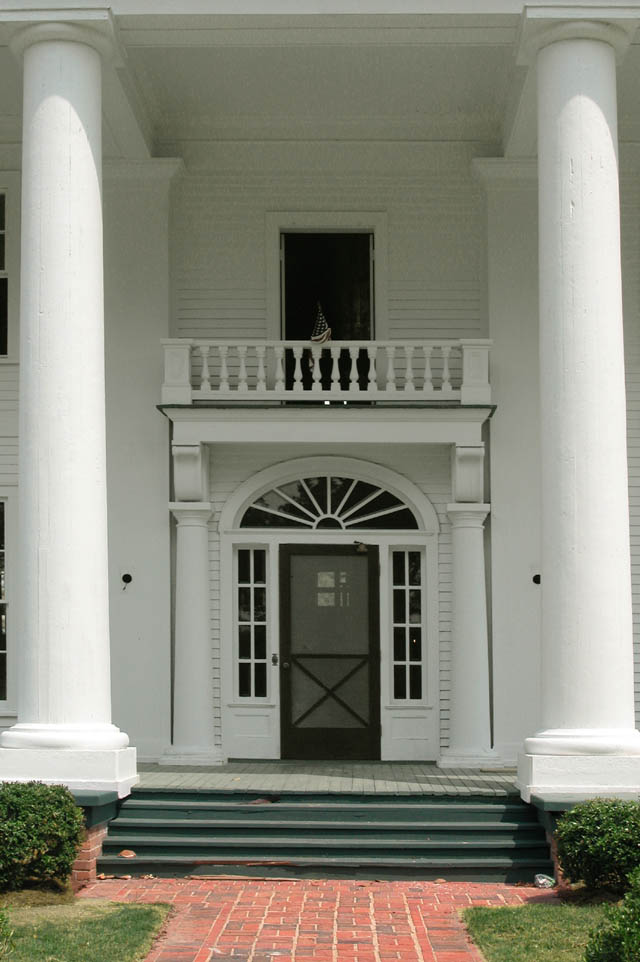
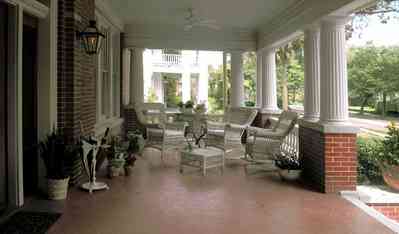
Columns that are as wide as many of the surrounding trees flank the front door with its heavy beveled glass insets that have rippled under the weight of years. The spacious interior contains 18 rooms.
-
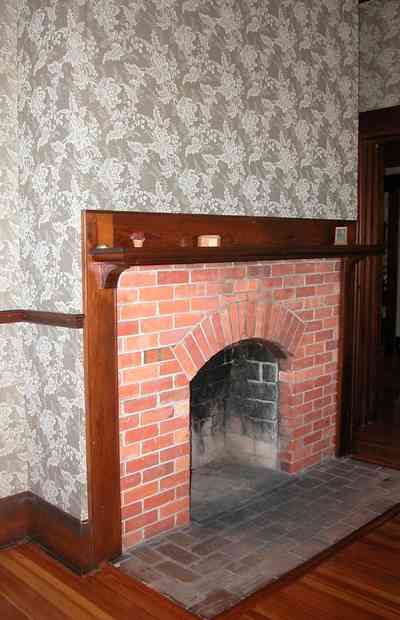
This is a fireplace in one of the upstairs bedrooms. Only five rooms in the mansion do not have a fireplace.
-
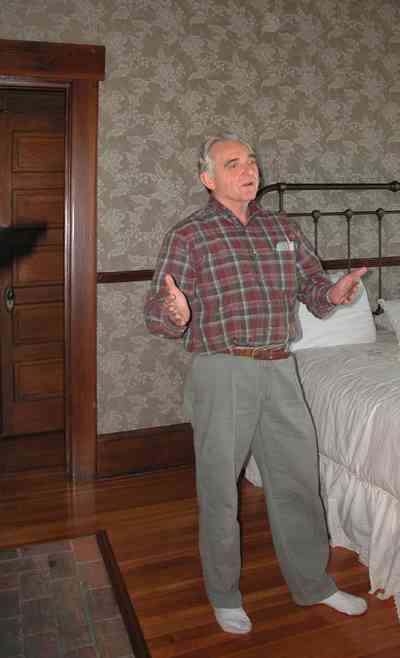
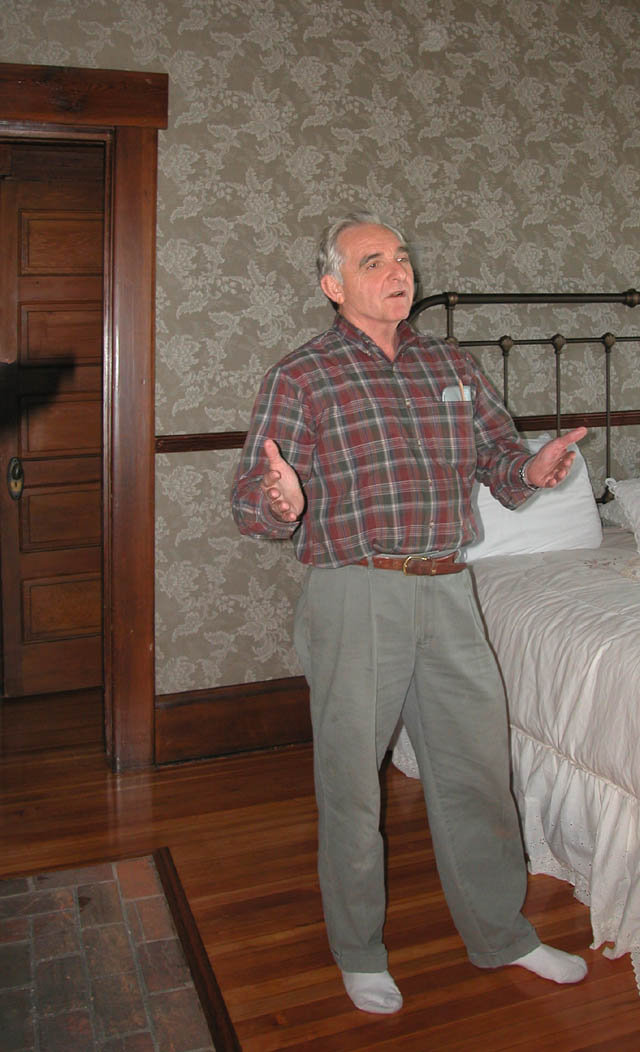
Toy Arnett gives a tour of the newly renovated home.
-
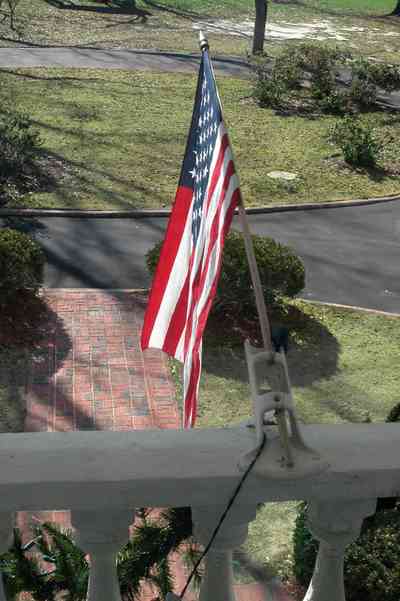
There is a small balcony overlooking the front driveway and garden off the second floor hall.
-
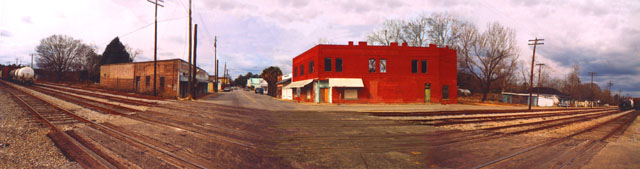
Across the CSX railroad yard from Century is a view of downtown Flomaton, Alabama
-
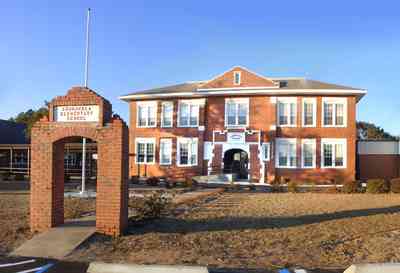
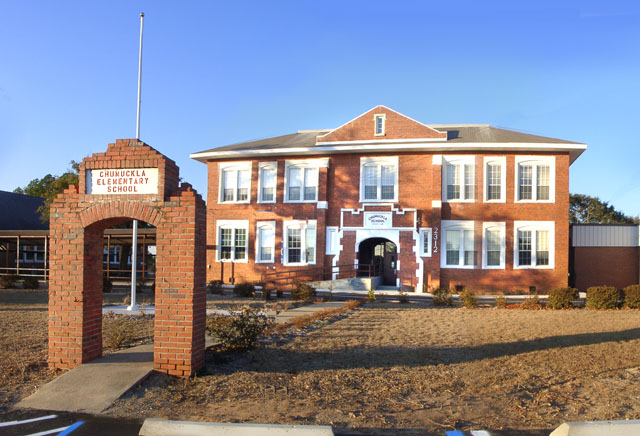
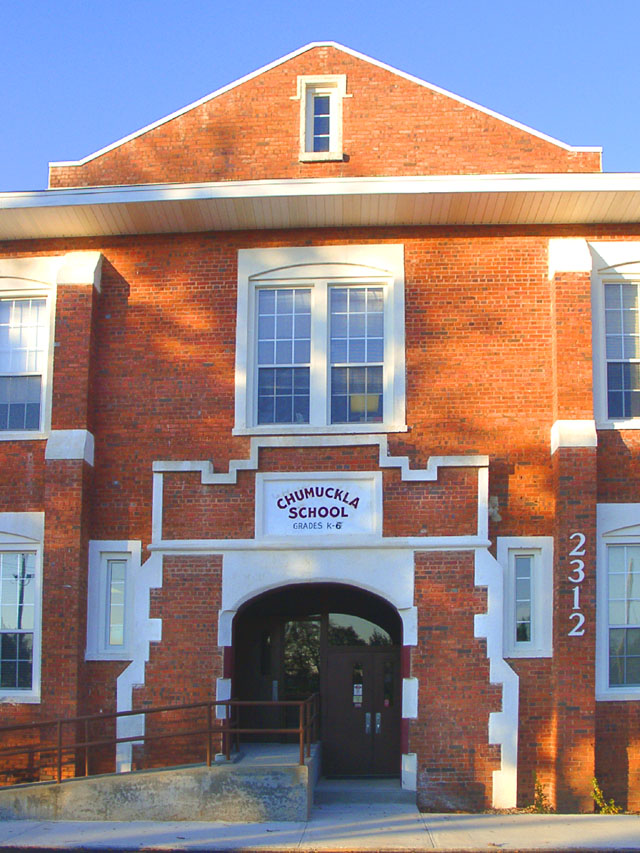
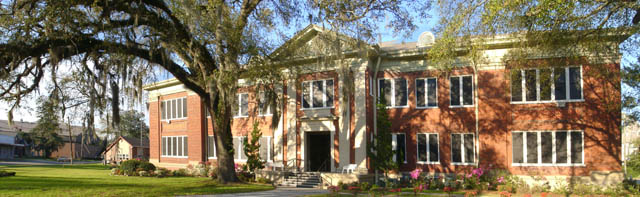
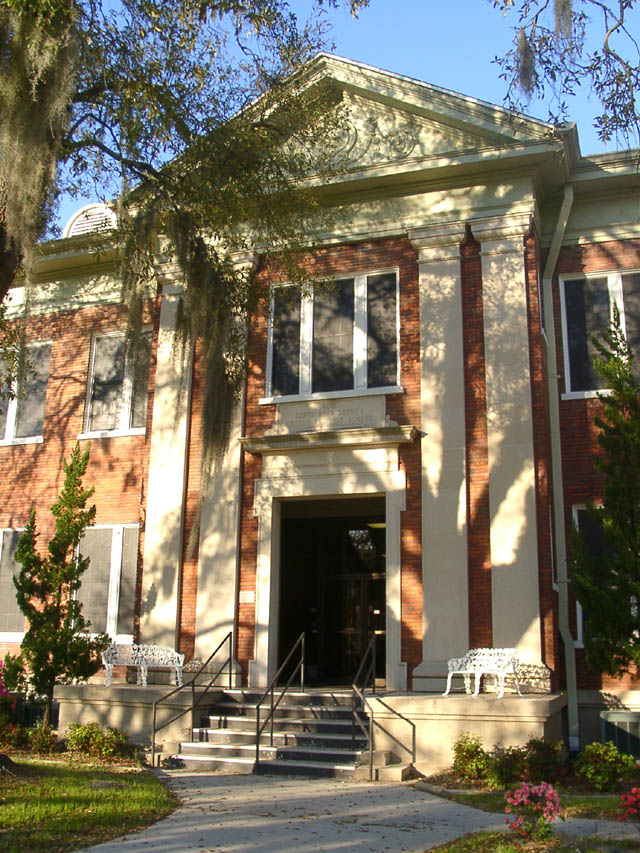
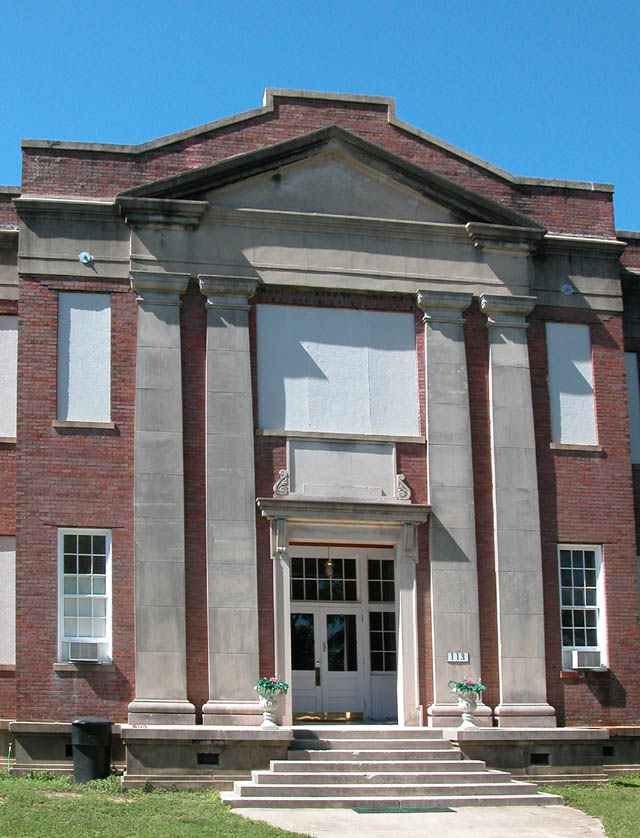
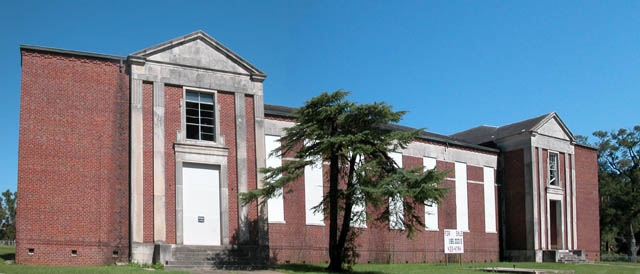
The building is an imposing and formal style for a small rural school.
-
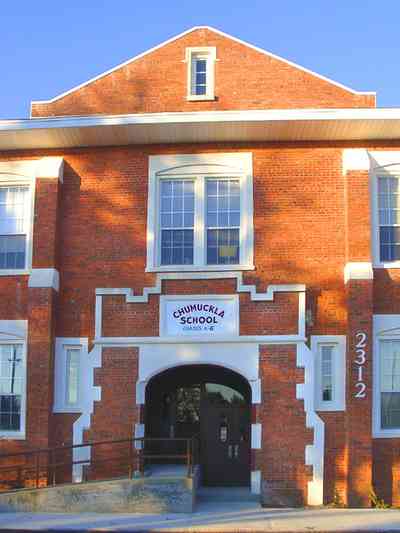
The wide, low-pitched gable surmounting the facade of the building in a classical style shows the federal influence. Units of stone are used to accentuate the corners of the building. The classical revival architectural style of the early 20th century can be seen even in the small community of Chumuckla.
-
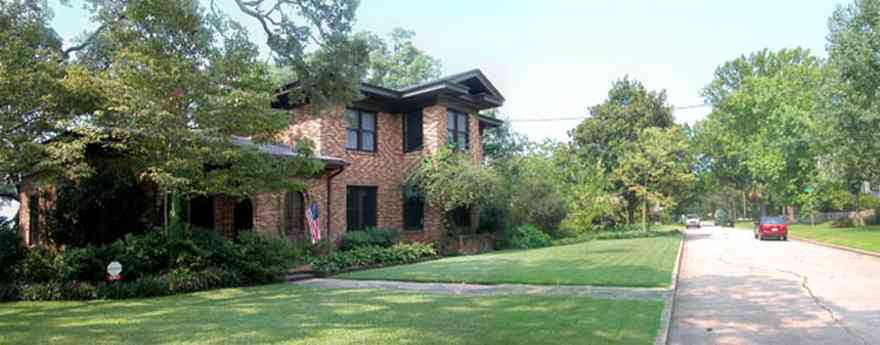
The rear of the property faces the entrance to Bayou Texar.
-
-
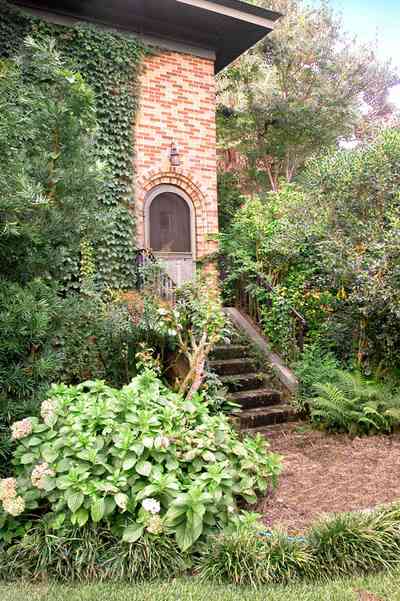
The auxillary front entrance is access for an apartment on the west side of the house.
-
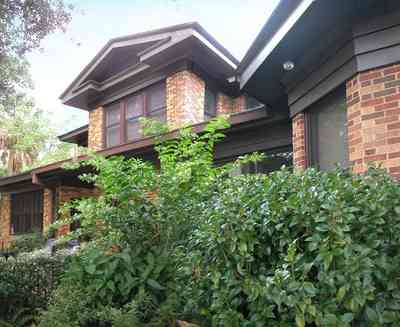
-
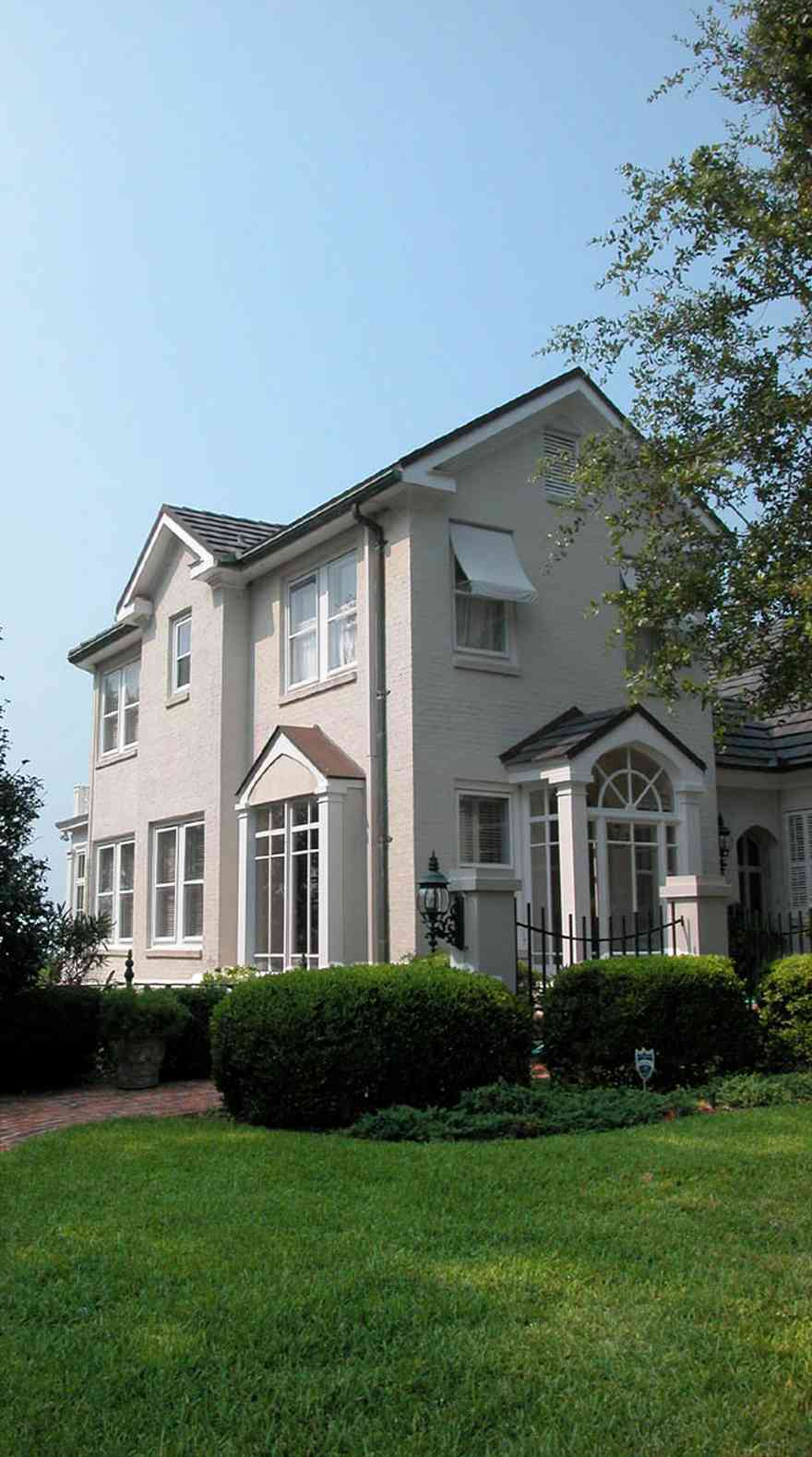
Front gables are the key feature.
-
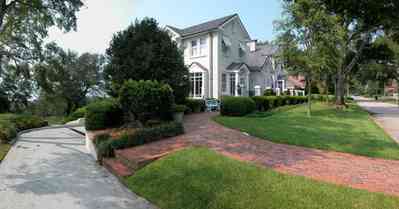
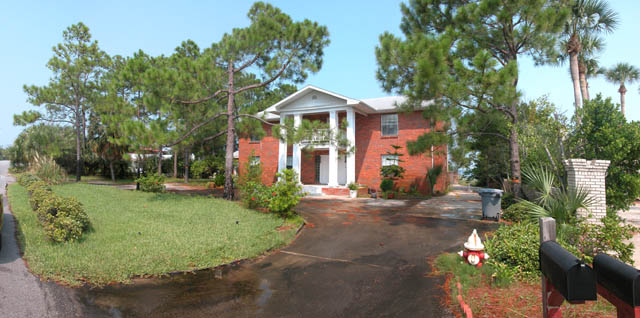
The circular drive graces the side entrance.
-
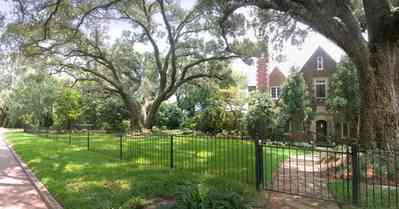
The house is located on a bluff overlooking Pensacola Bay.
-
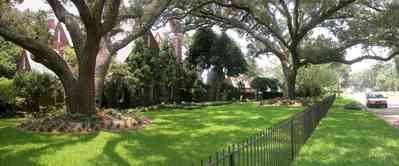
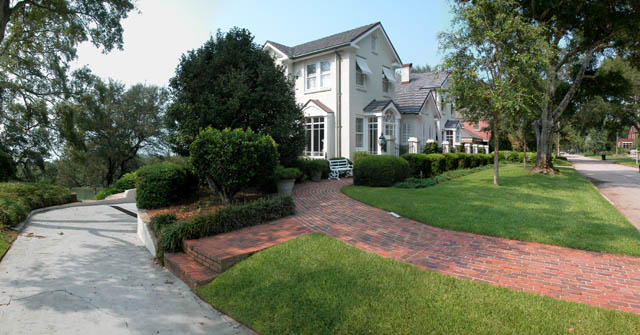
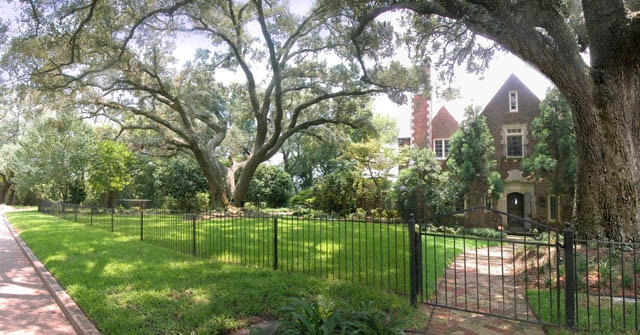
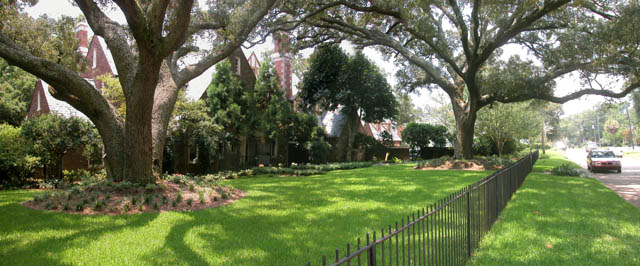
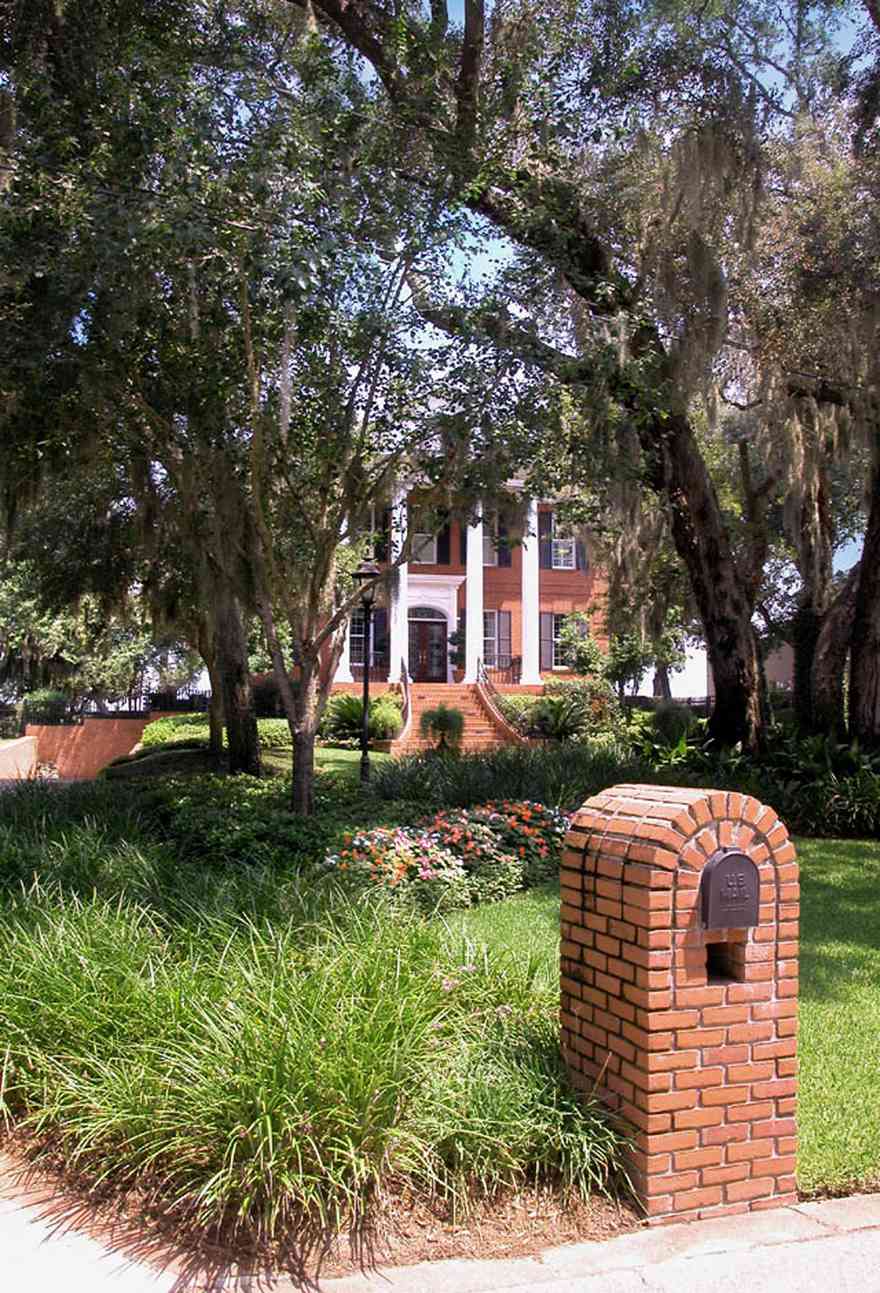
Mature, live oaks form an arcade over the home.
-
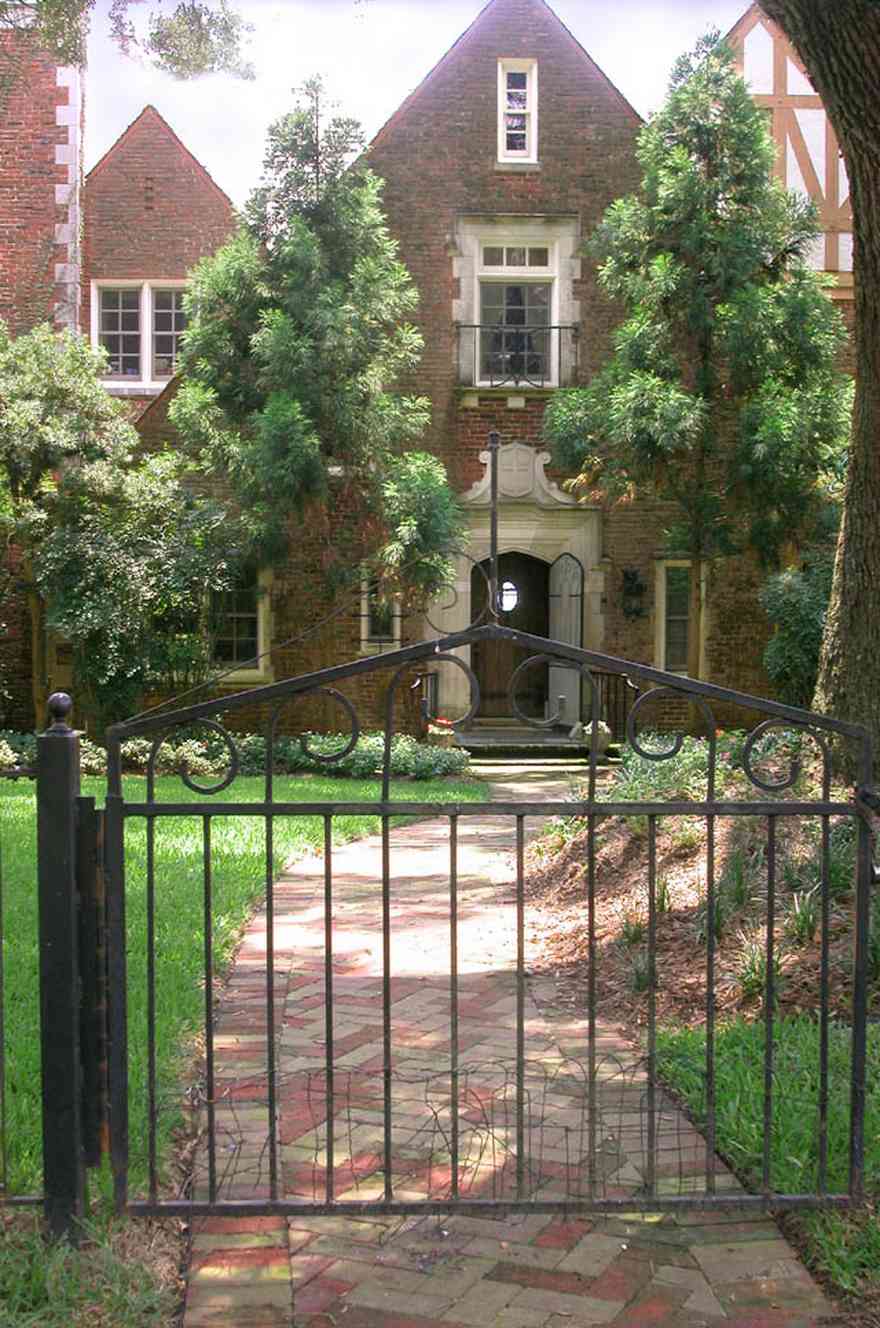
Lower stories are typically brick with widows and doors trimmed in stone.
-
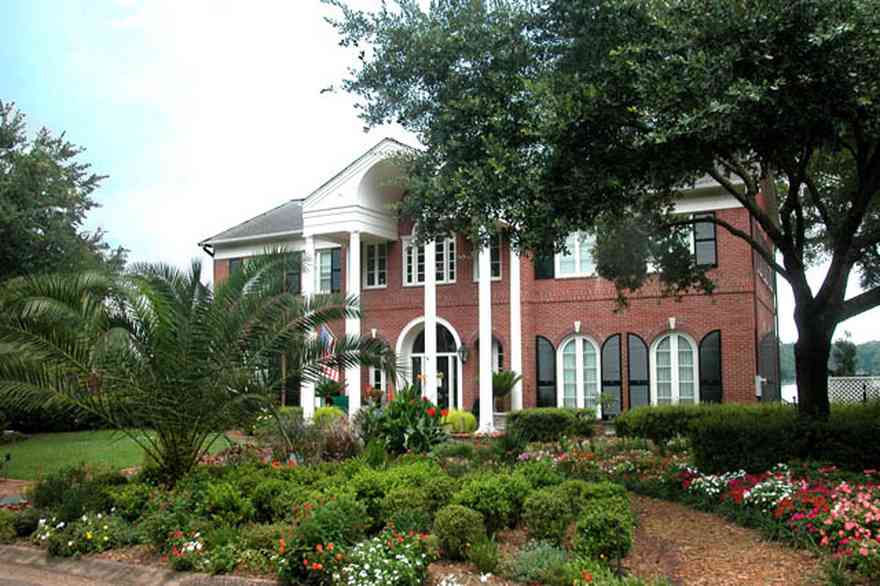
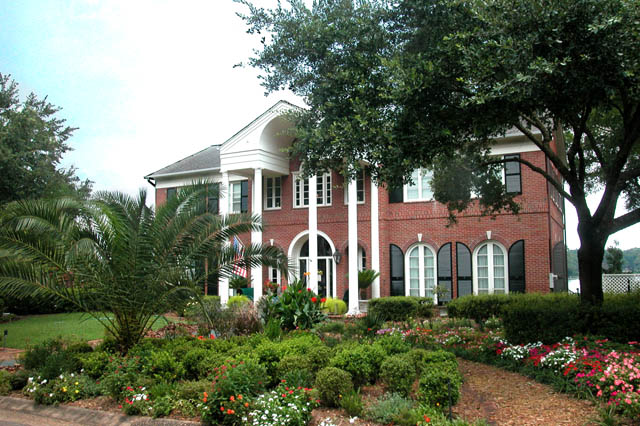
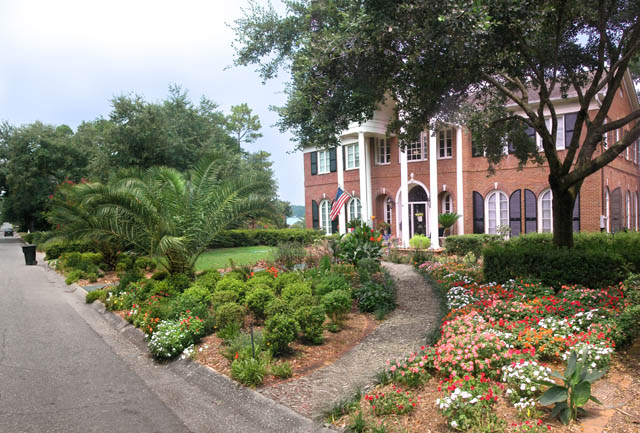
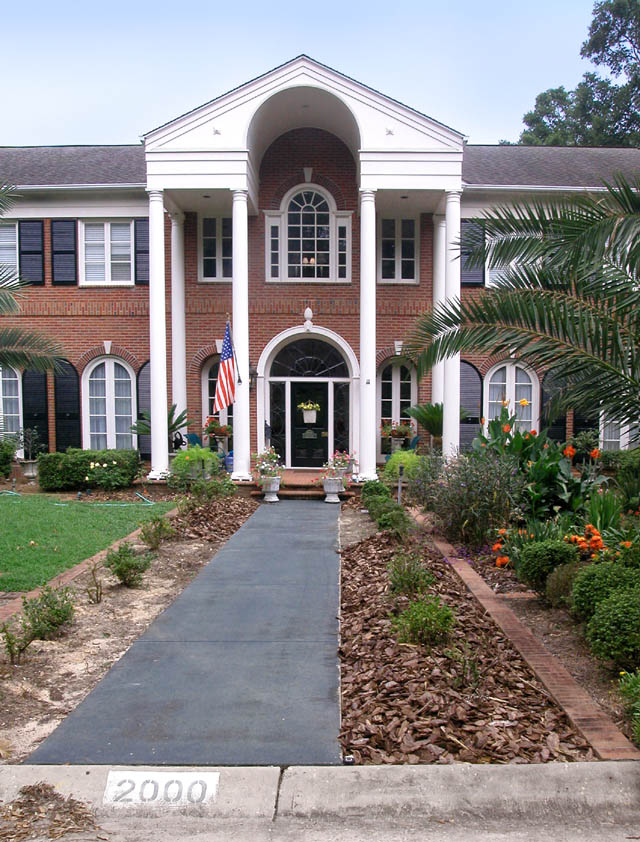
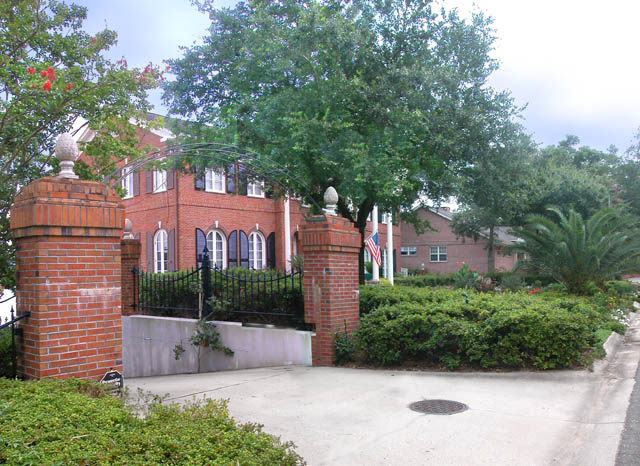
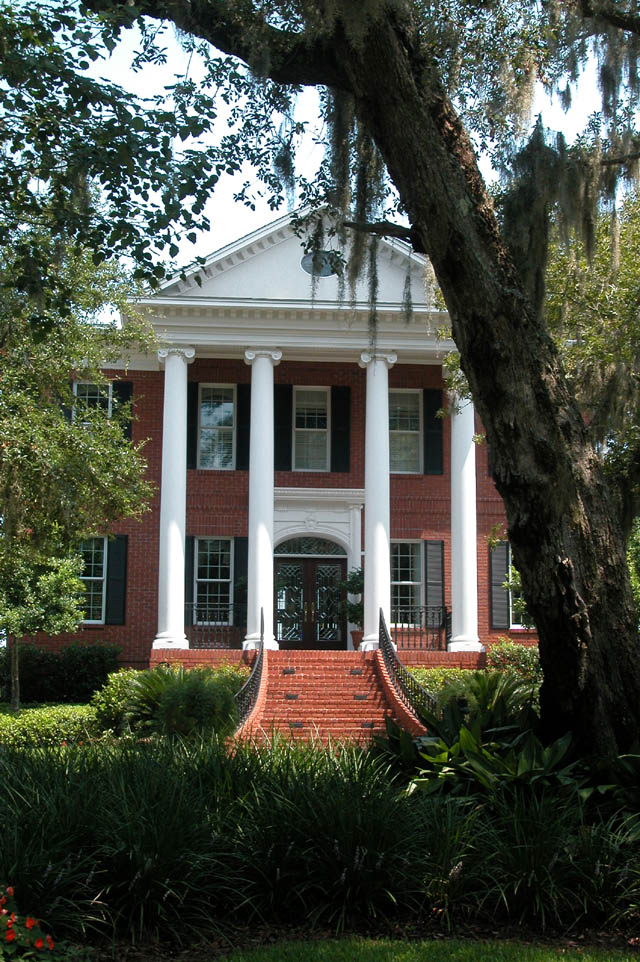
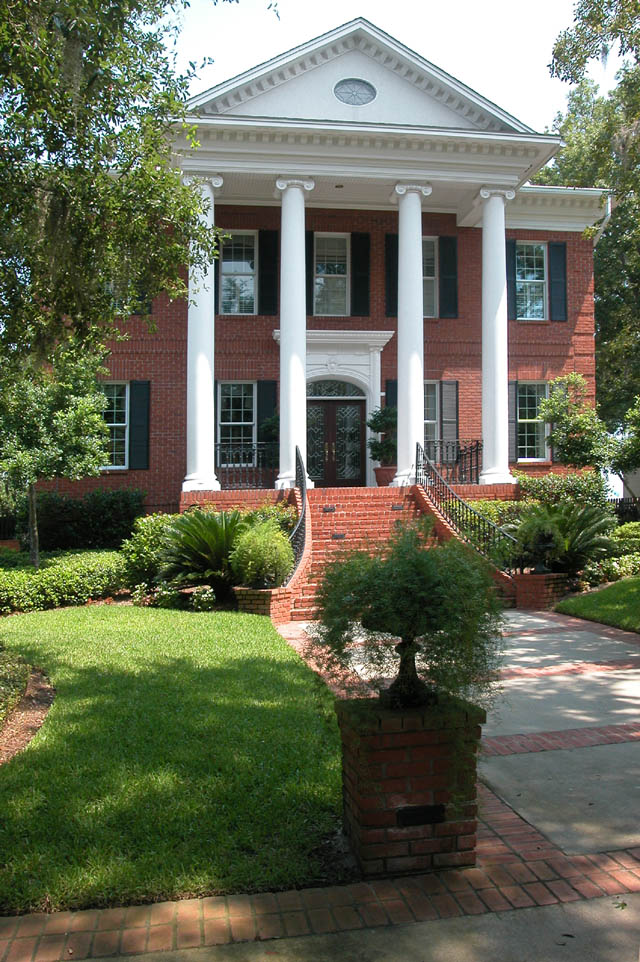
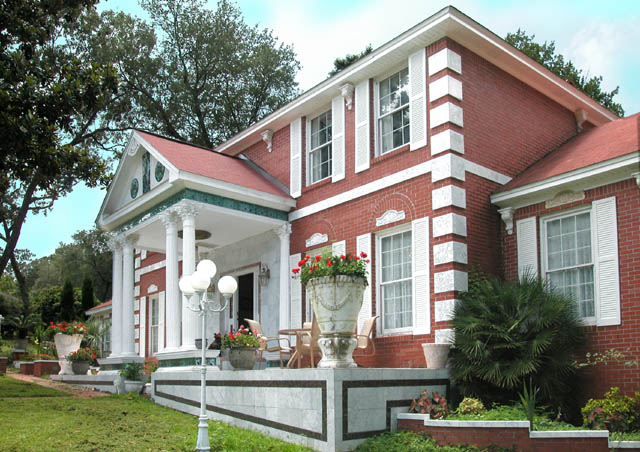
Homes of red brick with white columns are often called Jefferson Classical, after Thomas Jefferson, who designed his own home, Monticello, along the same lines.
-
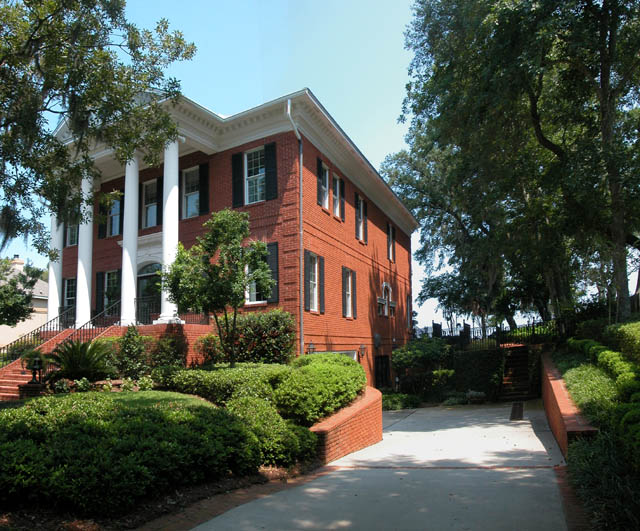
The art of brick veneer was mastered around 1900. Brick veneer is a non-load-bearing outside wall of bricks applied onto a frame structure.
-
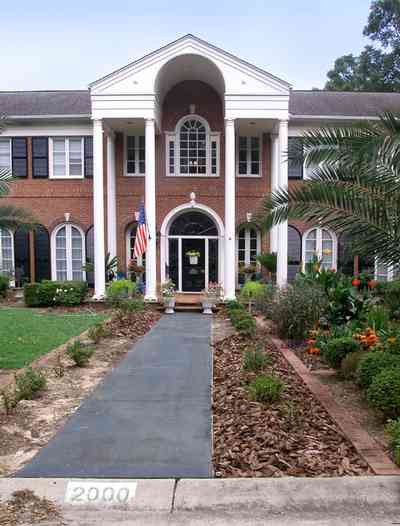
The neoclassical style was born in the late-nineteenth century when, after decades of ornamental Victorian homes, Americans began looking fondly back to the classical styles.
-
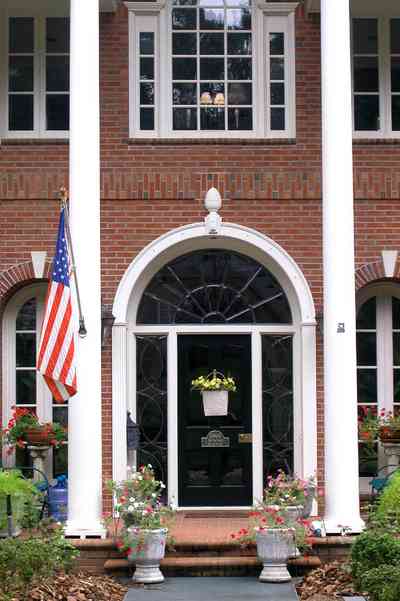
A brick bond consisting of all stretchers is a clue that the brick is veneer.
-
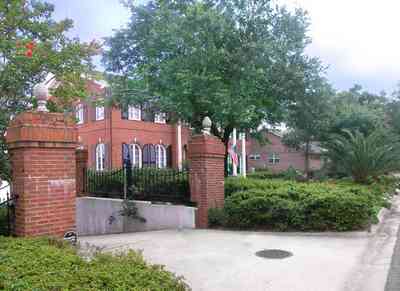
Neoclassical style houses are still as popular today as they were at the turn of the century.
-
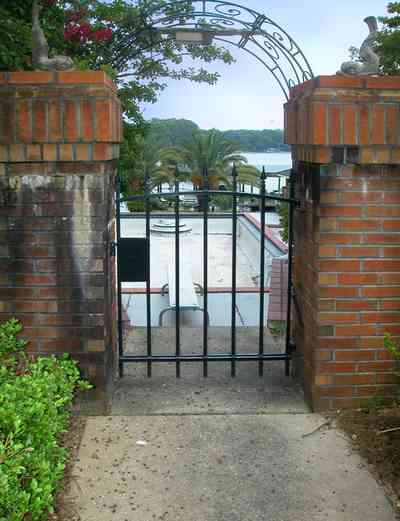
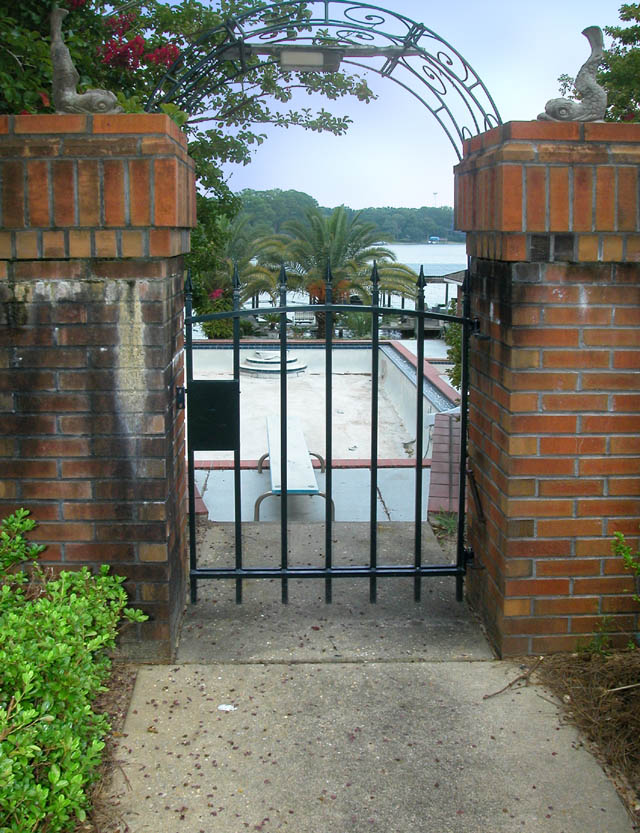
The garden gate reveals the swimming pool and bayou.
-
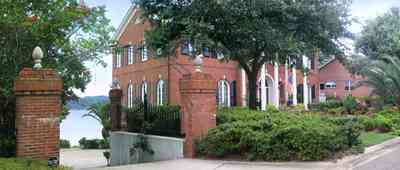
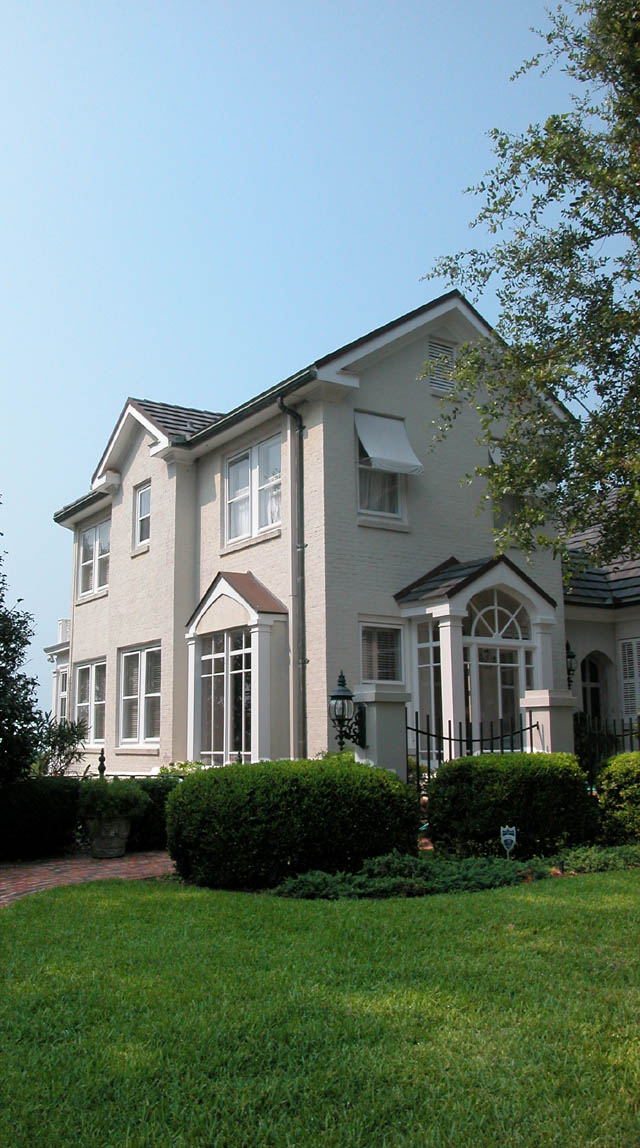
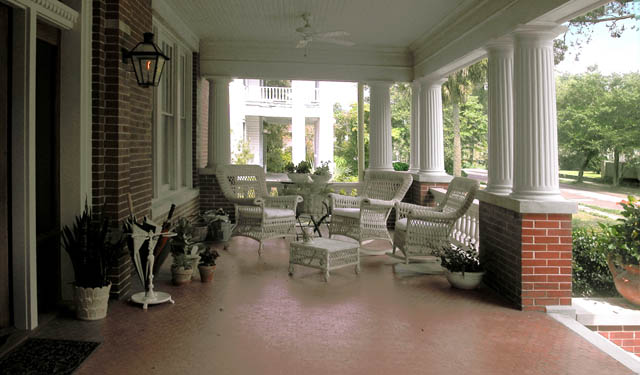
Adding classical columns is an easy way to create a sense of grandeur and add a historical touch to a home.
-
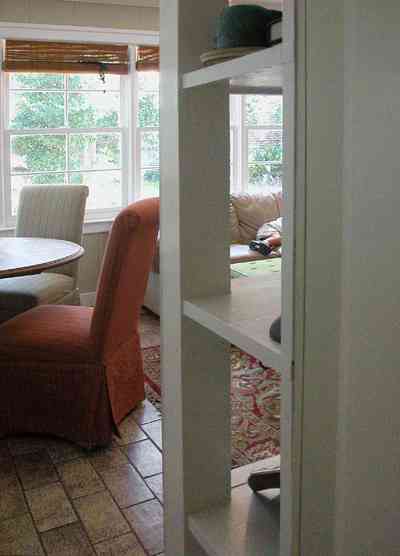
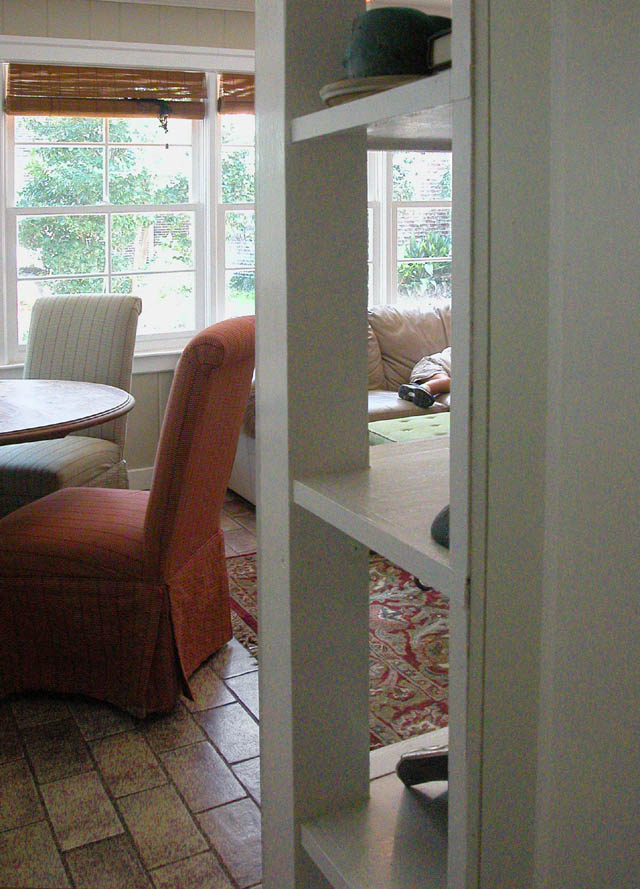
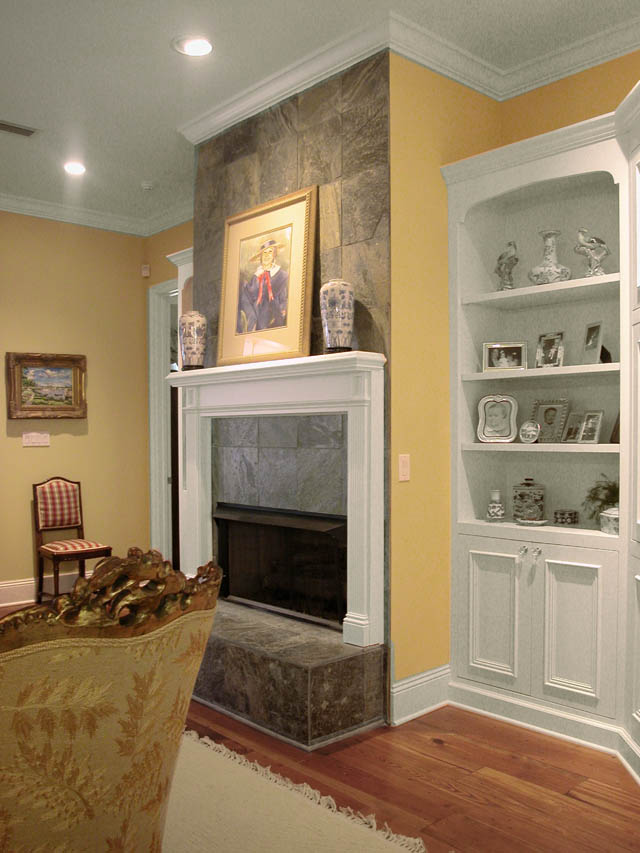
The corner shelves divide the living room and family room.
-
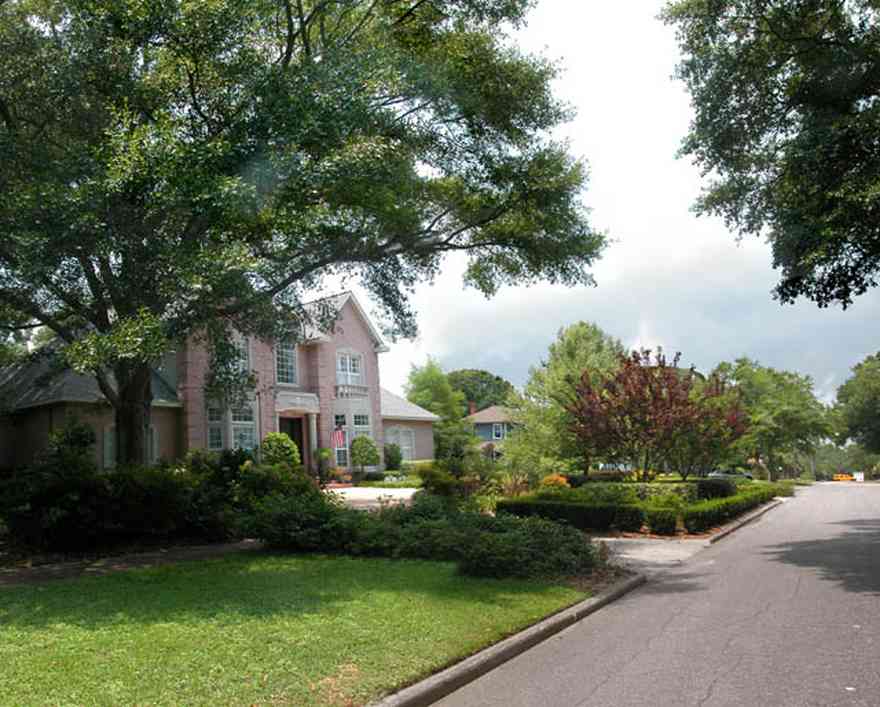
The house is located on the southeast corner of 19th Avenue and Gadsden Street.
-
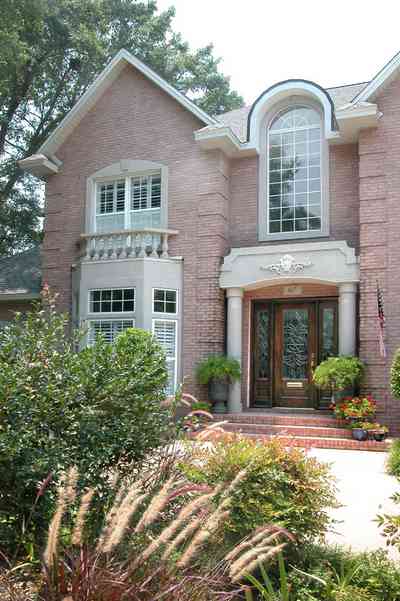
A distinctive feture of a French chateau is the archer dormer.
-
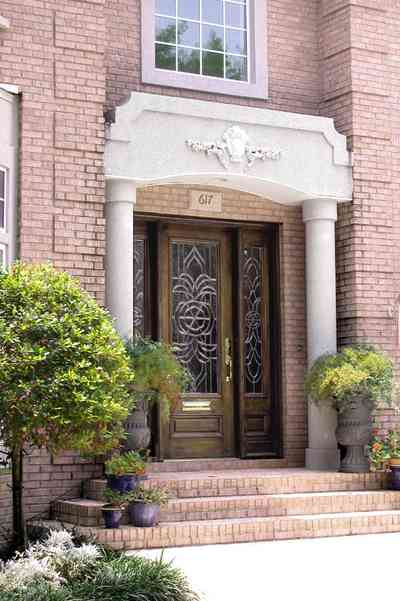
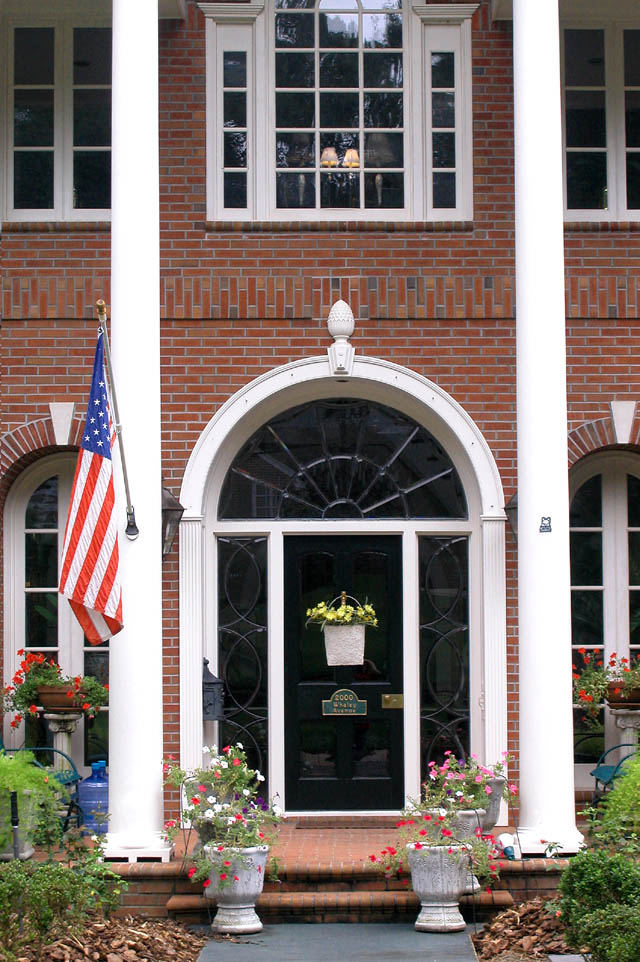
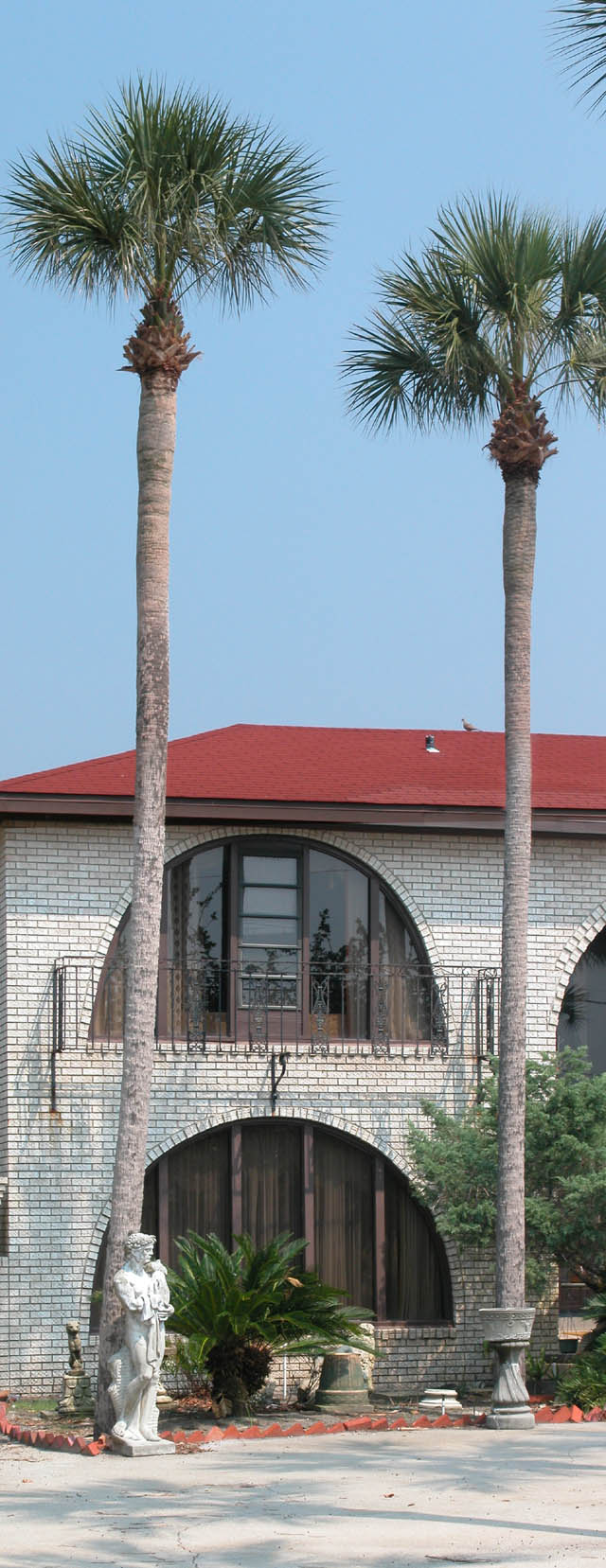
The formal arched entrance is an elegant feature.
-
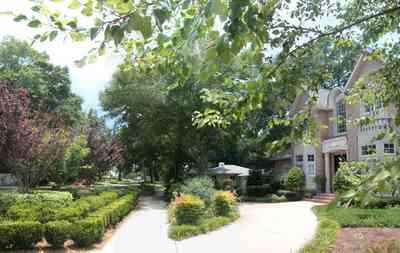
This is a view of the home from the corner of Gadsden Street facing south.
-
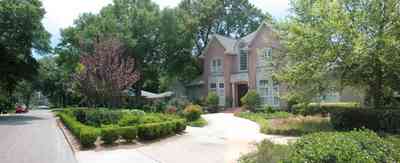
The north entrance of the driveway is on the corner of Gadsden and 19th Avenue.
-
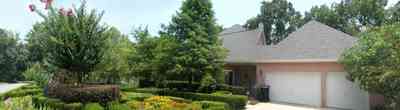
The garage is accessed from Gadsden Street.
-
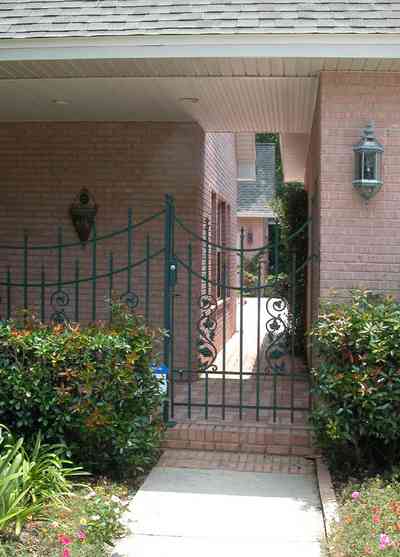
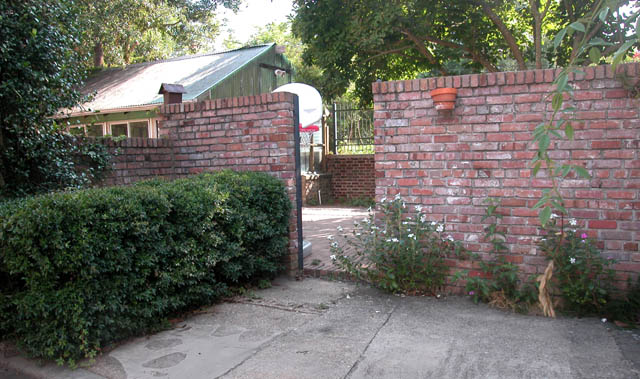
The gate to the sideyard is located next to the garage off Gadsden Street.
-
-
-
-
-
-
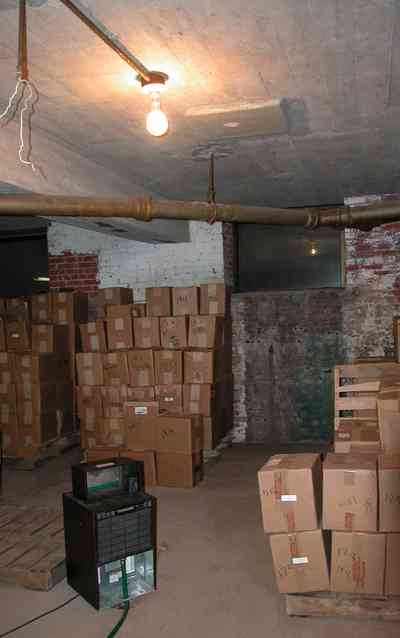
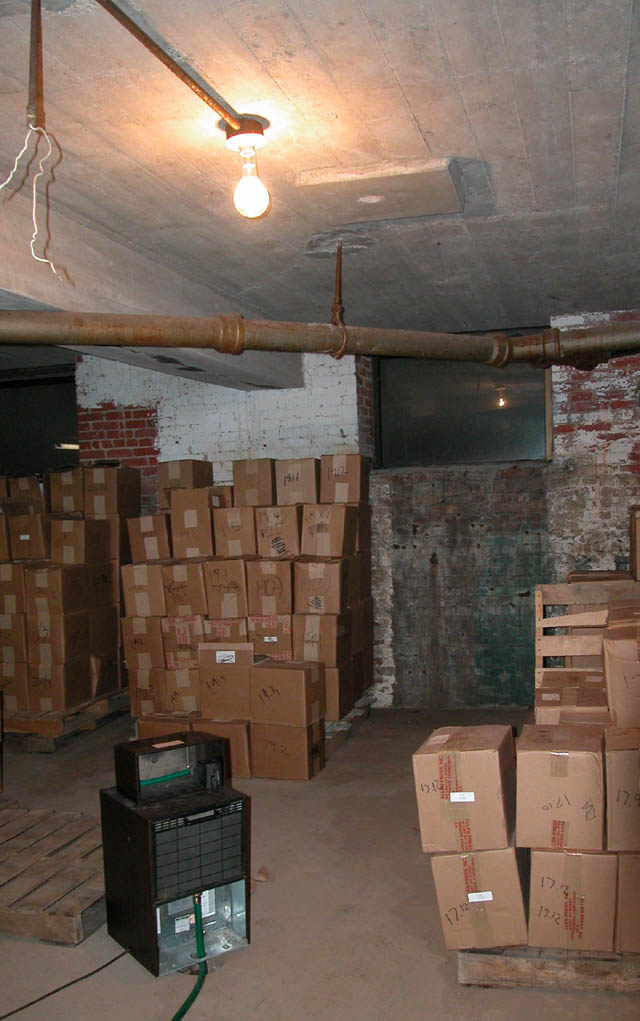
The cellar is used as a storage space.
-
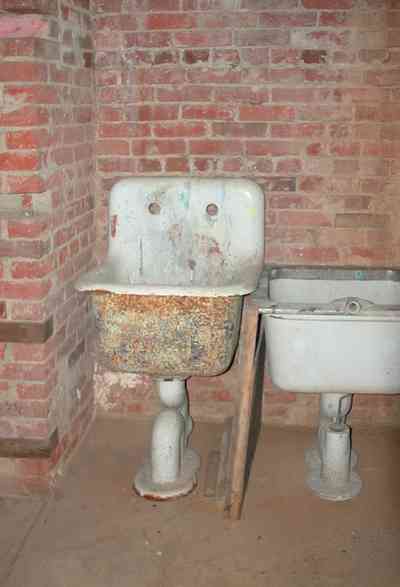
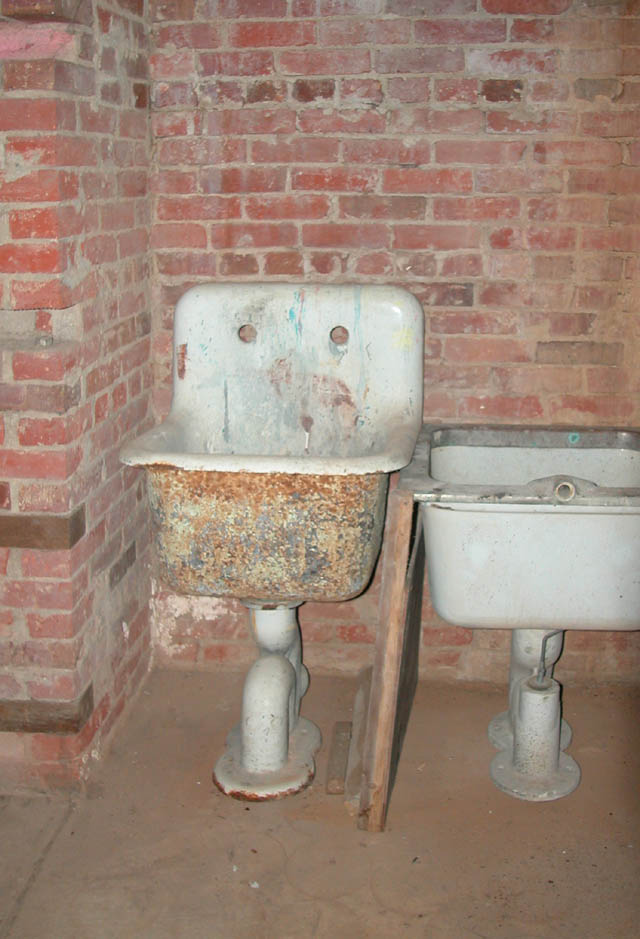
Orignal sinks still remain in place.
-
-
-
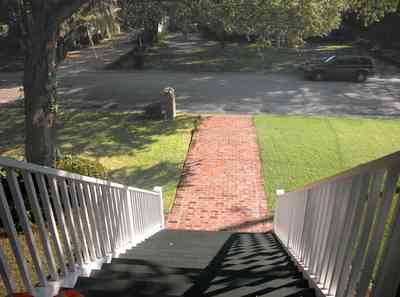
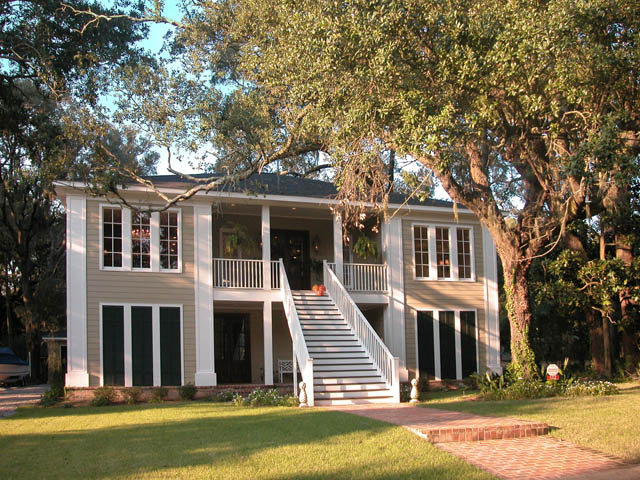
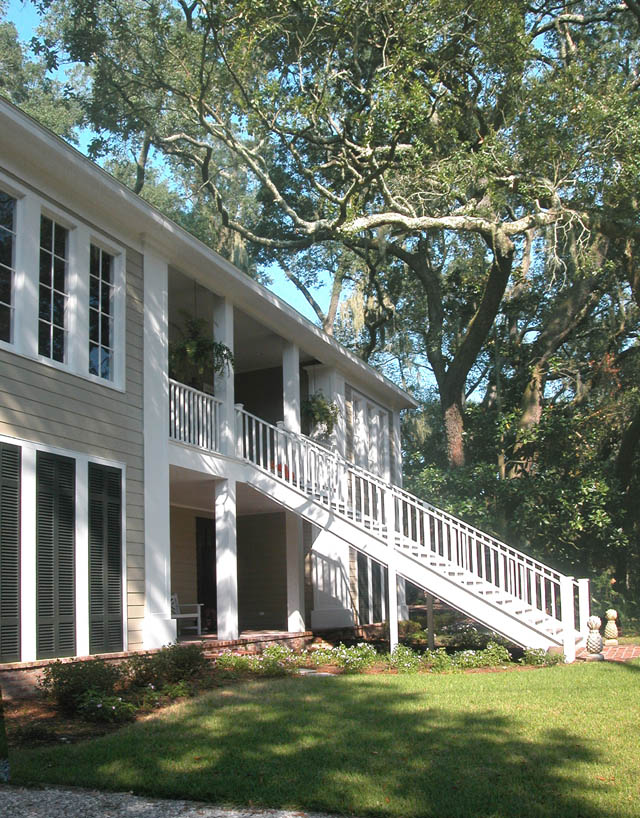
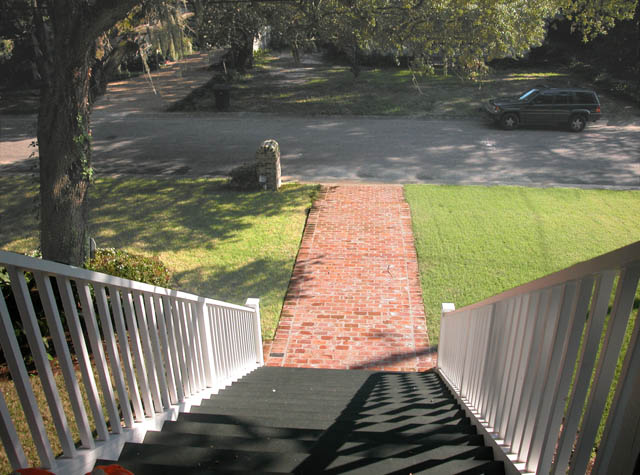
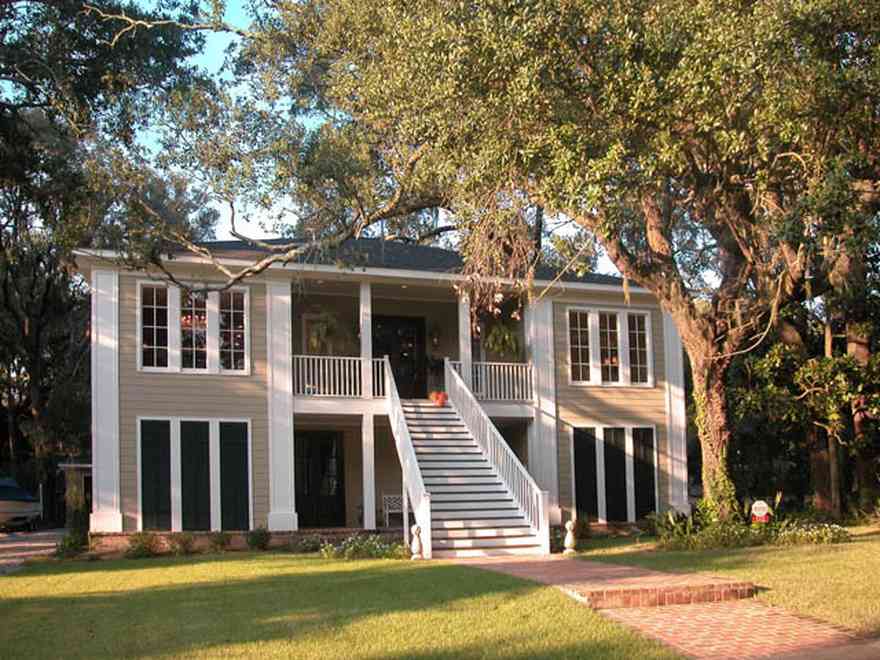
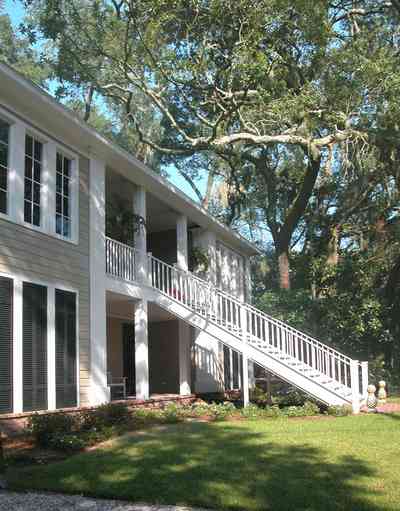
The front stairs lead to the main living level.
-
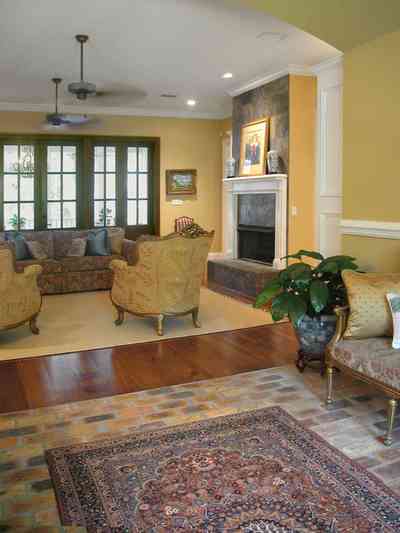
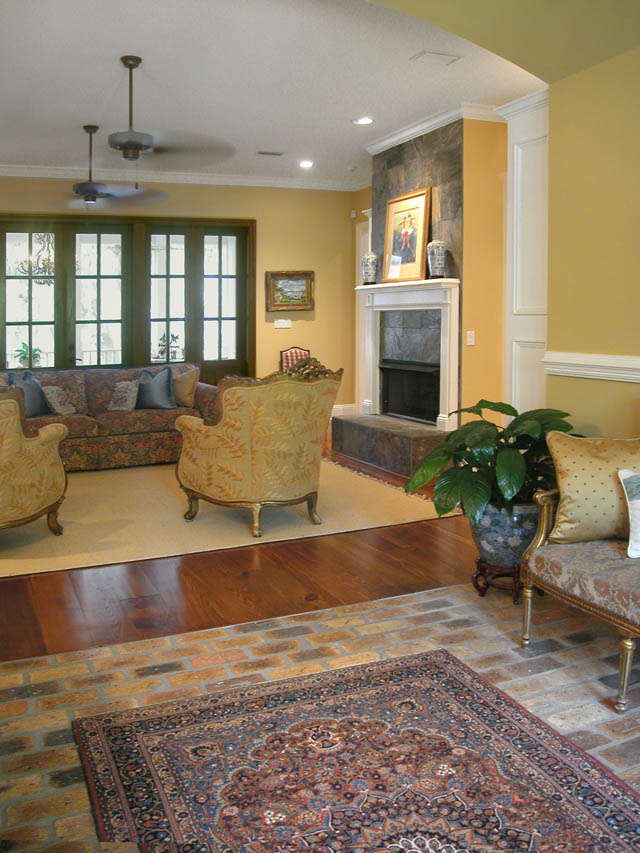
The second floor is the main living space. The doors in the background lead to the large screen porch overlooking the back yard.
-
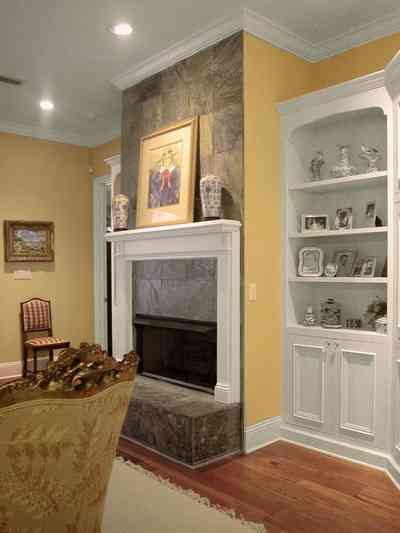
The second floor is the main living space. The doors in the background lead to the large screen porch overlooking the back yard.
-
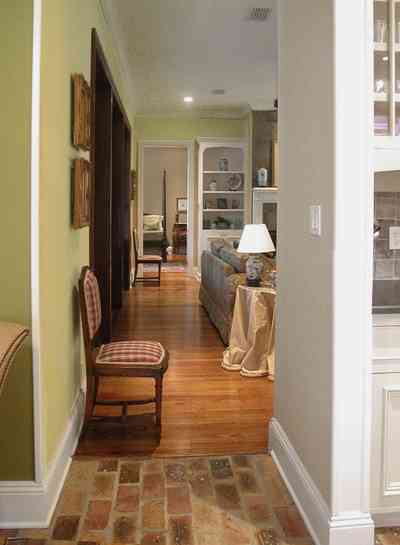
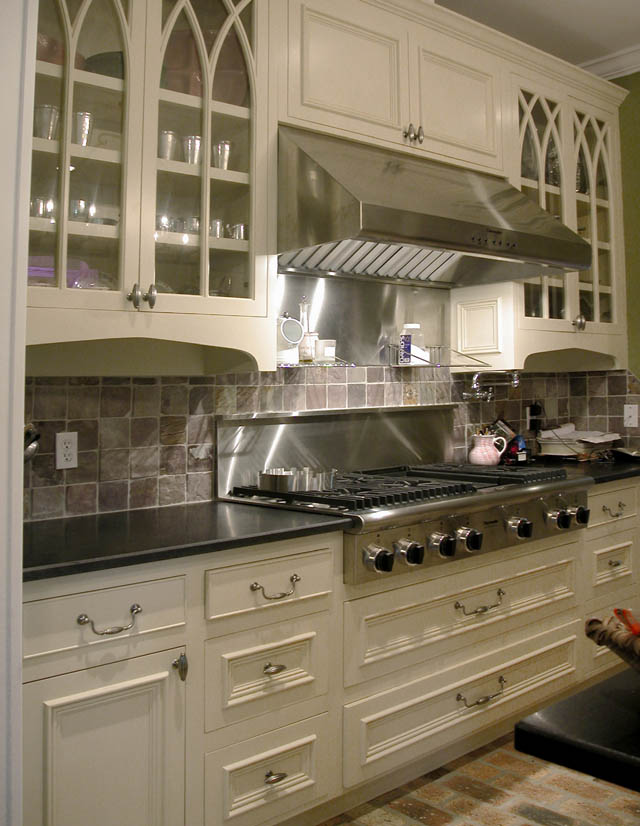
The kitchen is on the west side of the second floor.
-
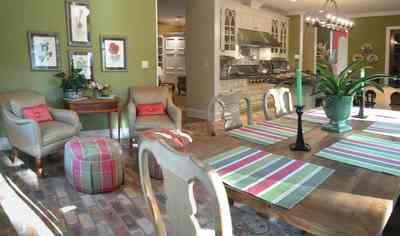
The kitchen is on the west side of the second floor.
-
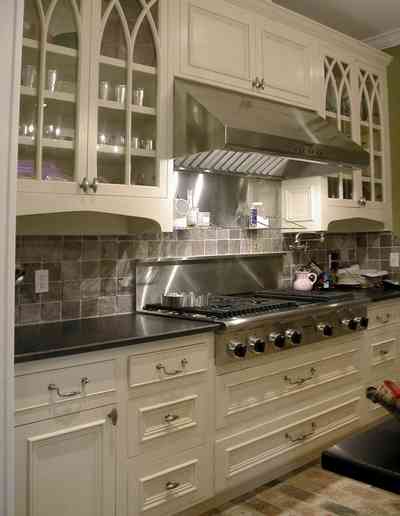
The kitchen is on the west side of the second floor.
-
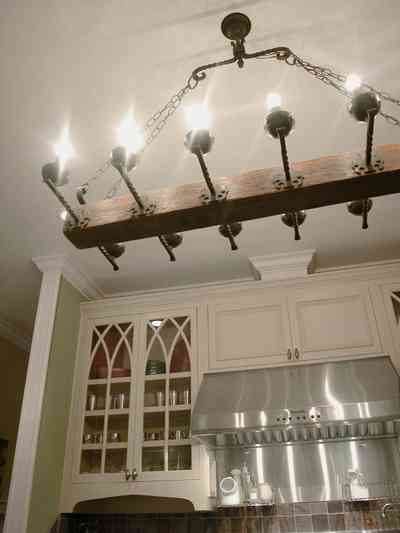
The kitchen is on the west side of the second floor.
-
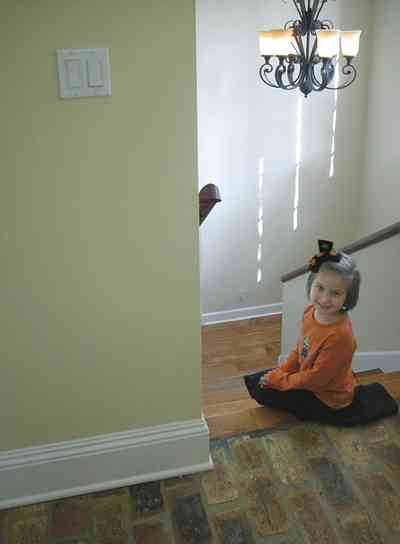
The stairs lead to the first floor where there are three bedroom, three baths, office and a central living area leading to the back porch.
-
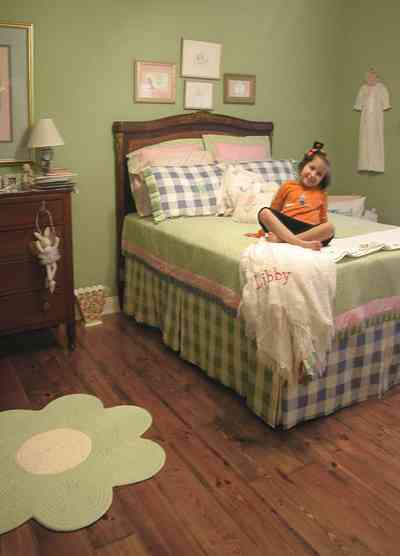
The stairs lead to the first floor where there are three bedroom, three baths, office and a central living area leading to the back porch.
-
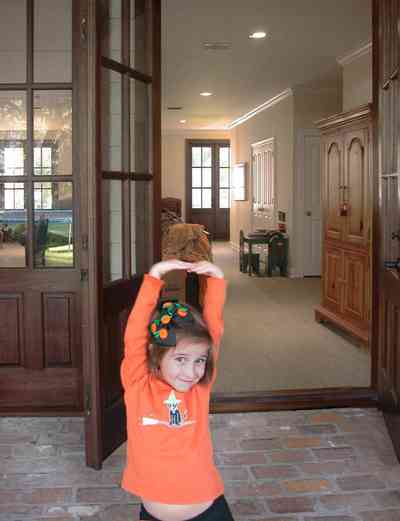
The back doors lead to the open porch.
-
The back doors lead to the open porch.
-
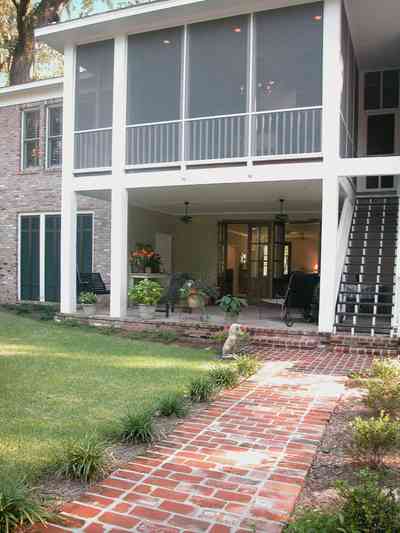
The second floor sceen porch and the open porch are auxillary living spaces.
-
-
-
-
-
-
-
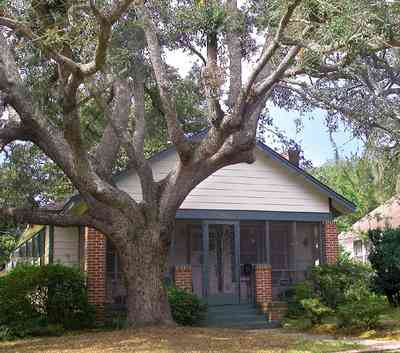
-
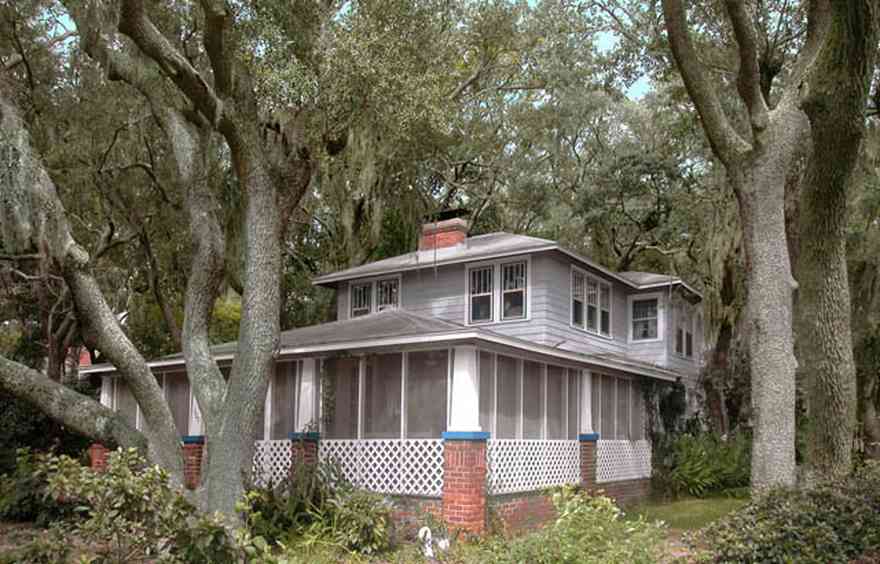
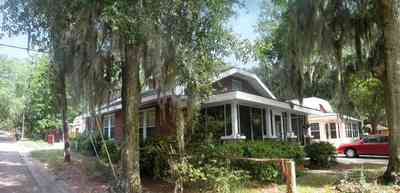
The bungalow style can be traced to India, where it was used by the British in the 19th century to designate a house type that was one story high and had large, encircling porches. Low houses with wide roofs and deep arches were common in Bengal. Our word is a British corruption of the Hindu adjective meaning 'belonging to Bengal'.
-
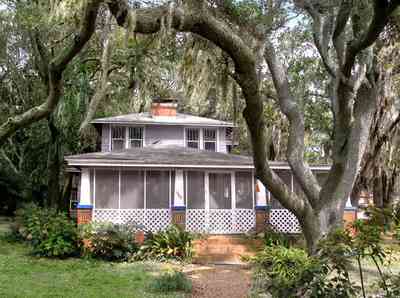
In 1909, in his Craftsman Homes, Gustav Stickley sought to tell what the style was all about, declaring that a bungalow was a "house reduced to its simplest form," one that "nevr fails to harmonize with its surroundings, because its low broad proportions and lack of ornamentation give it a character so natural and unaffected that its seems to blend into any landscape".
-
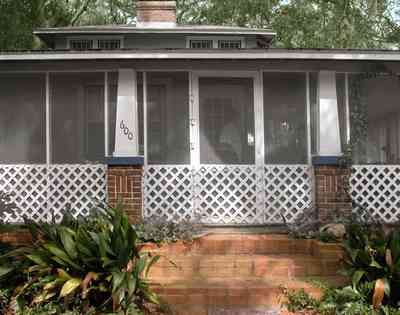
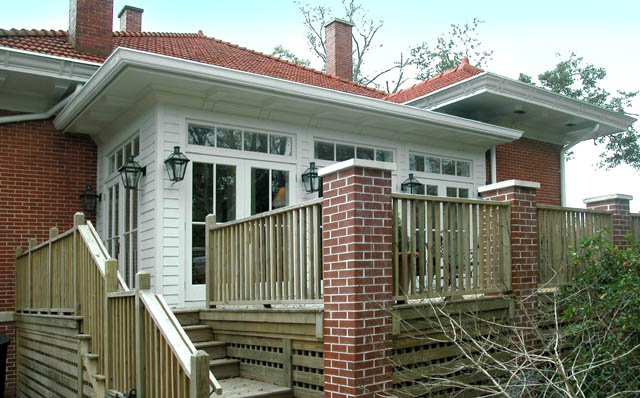
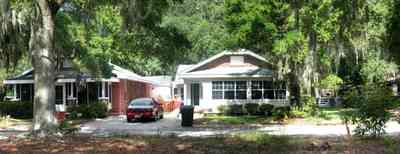
The hipped roof is a distinguishing feature of the bungalow style which is particularly appropriate for hot climates, since warm air rises up into the high roof and leaves the rooms below cooler.
-
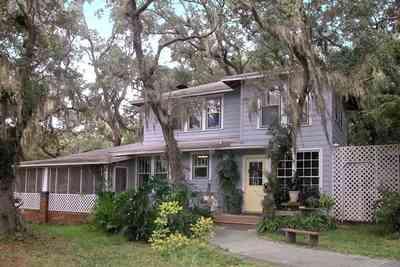
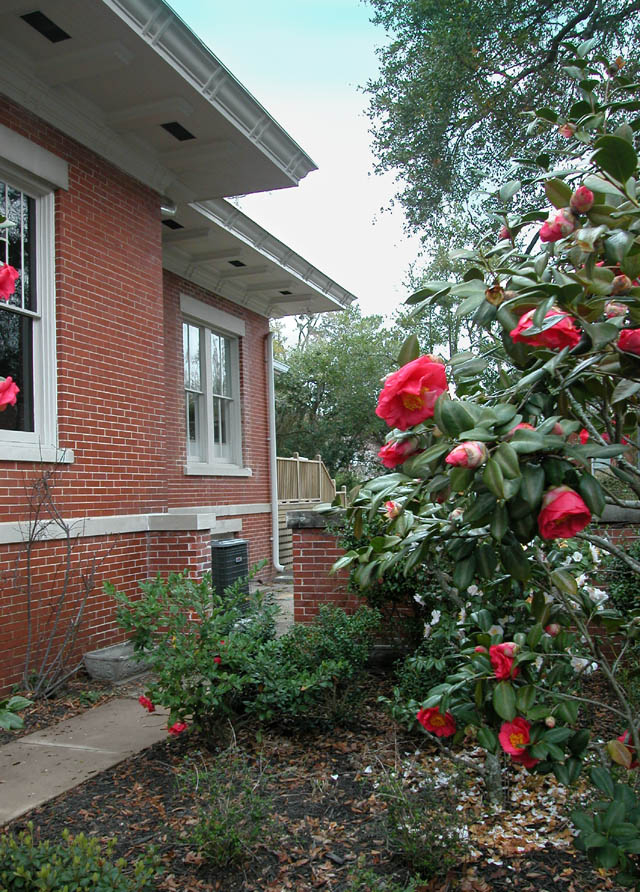
The half acre, 150 x 125 foot lot still benefits from the masterful gardening of the Larcom family who owned the home for decades. The Berthelots are particularly indebted to camellia expert Franklin B. Larcom whose legacy blooms faithfully each winter and spring.
-
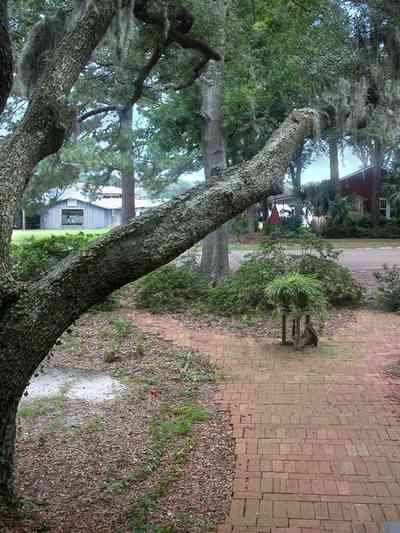
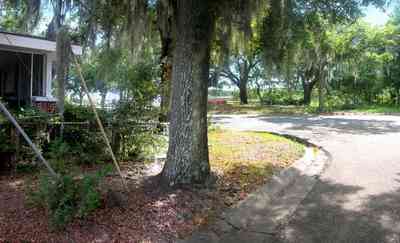
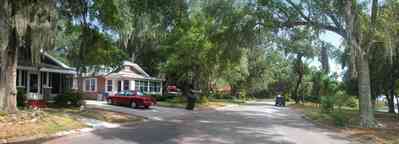
The bungalow is across the street from Bayou Texar and Rooks Marina.
-
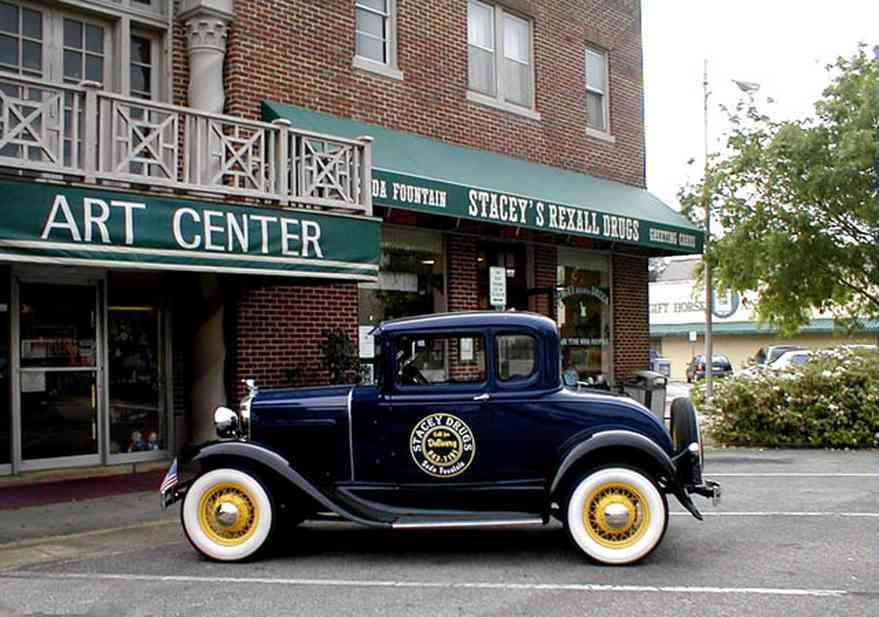
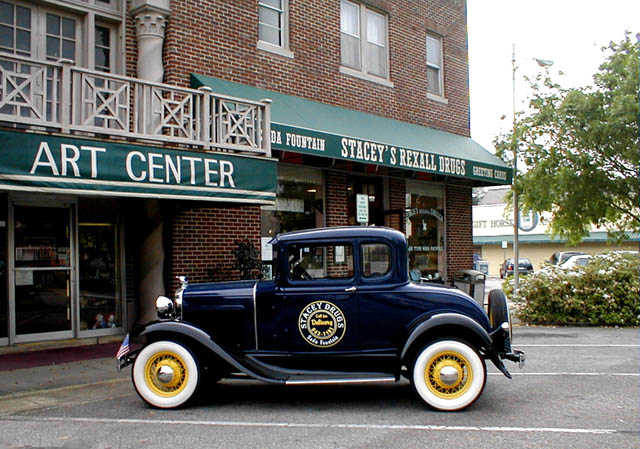
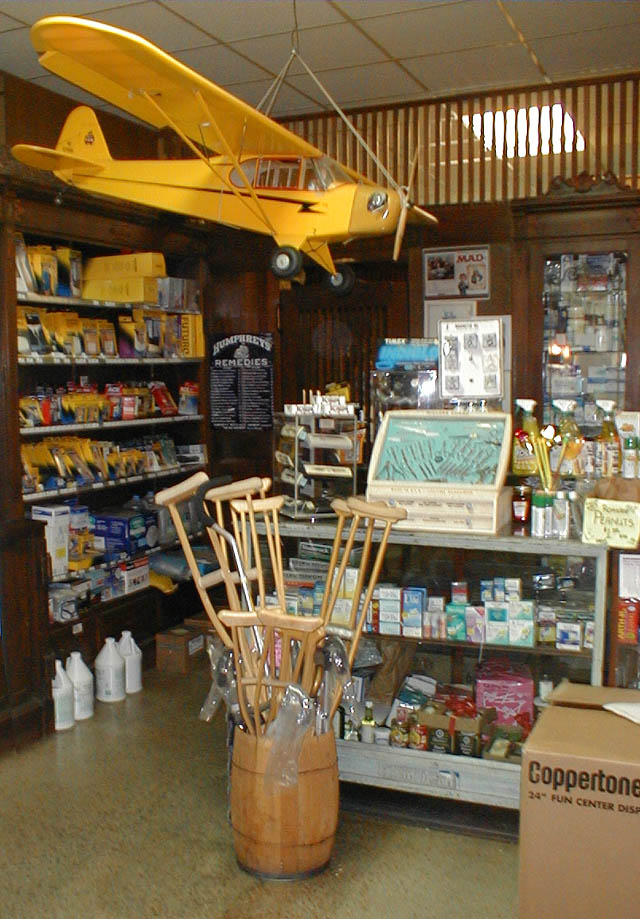
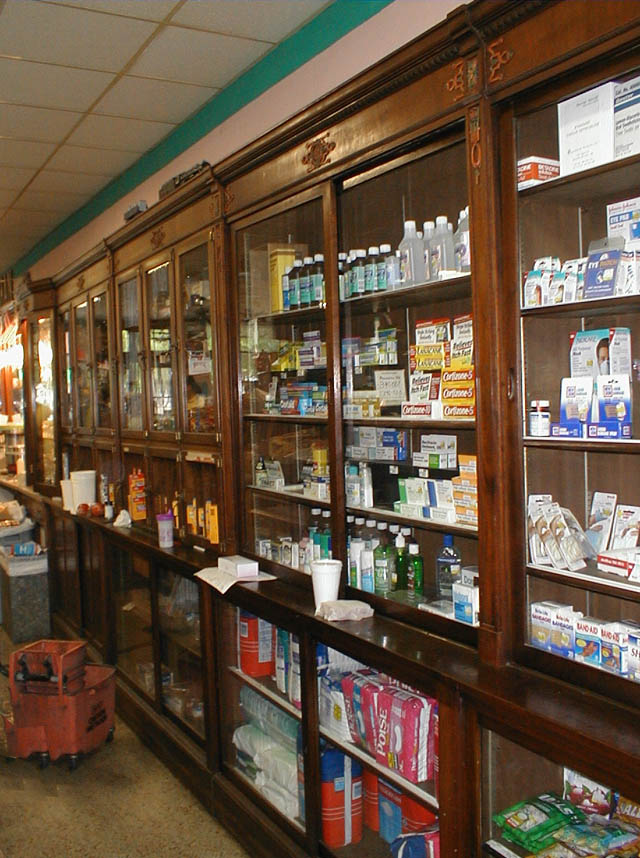
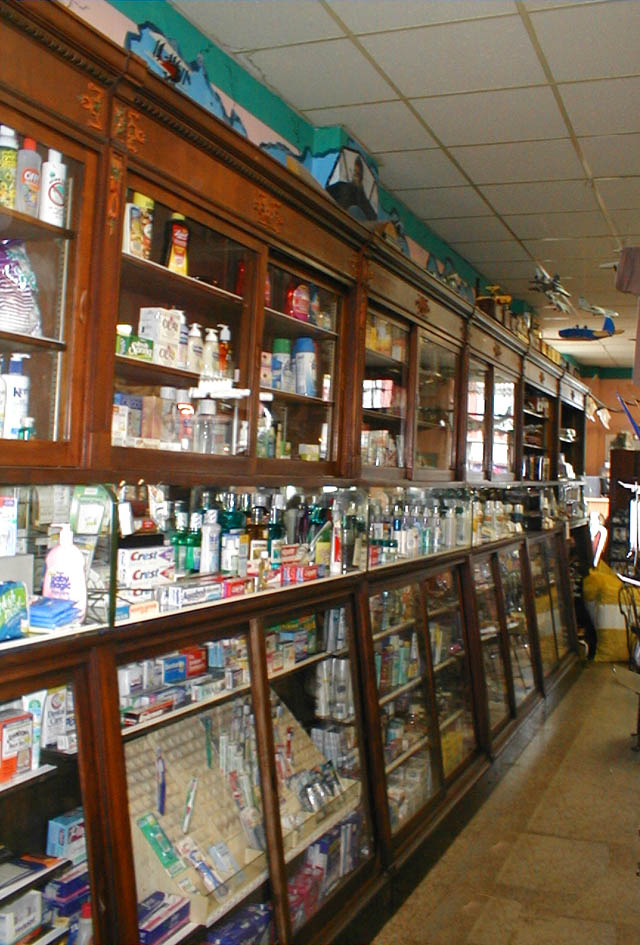
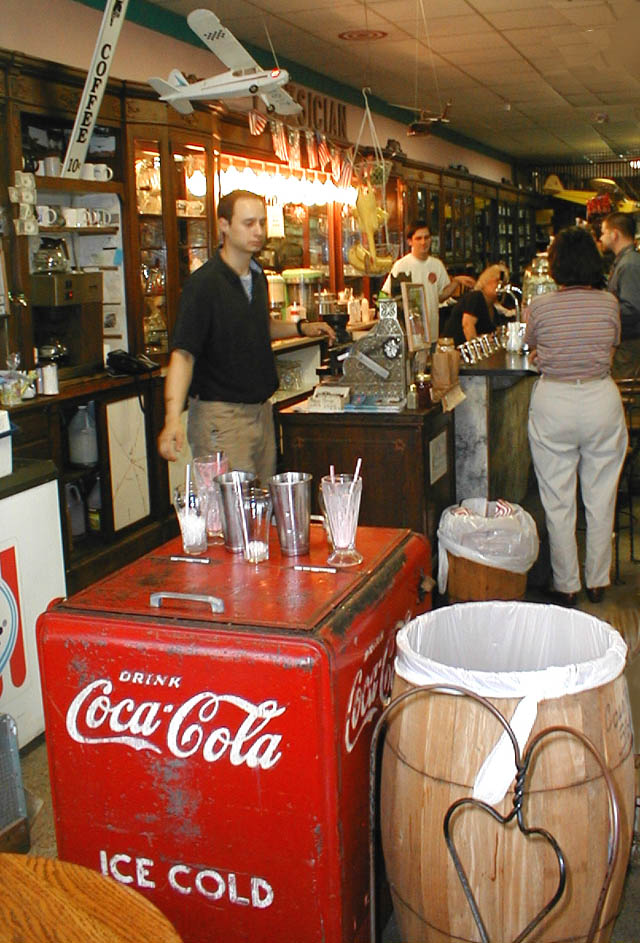
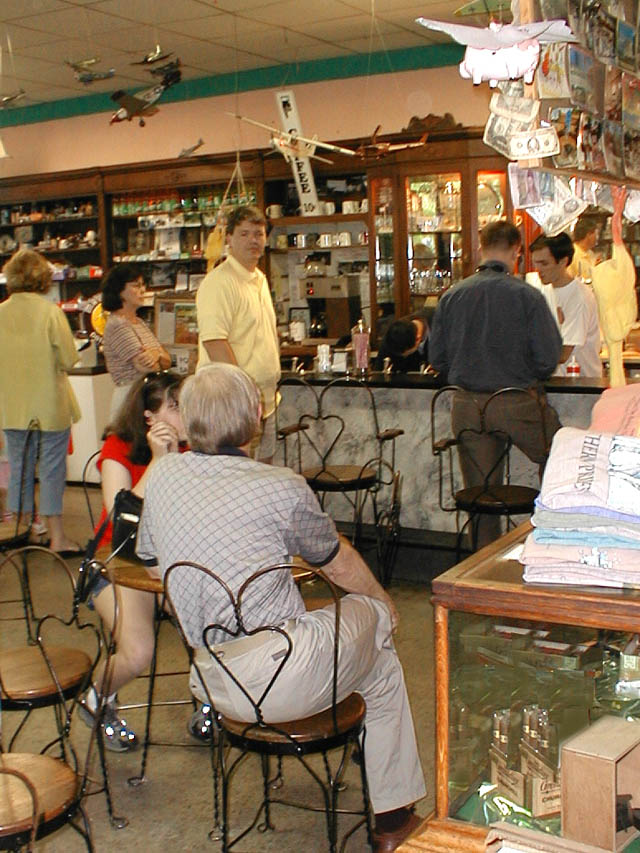
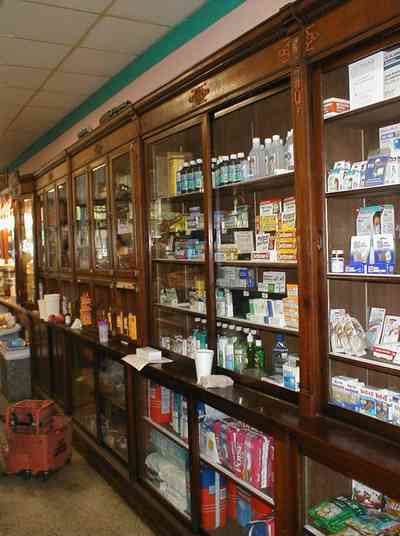
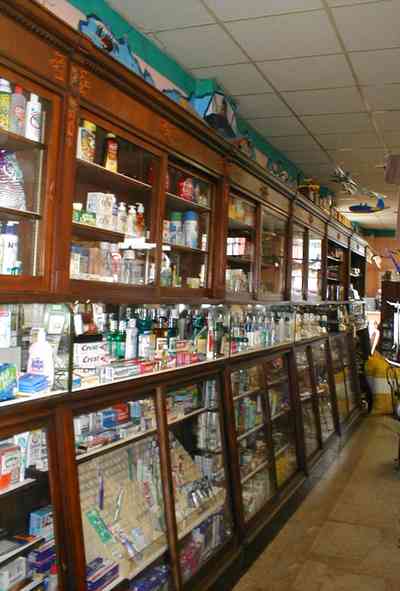
The drugstore has been restored to its original function as a soda shop by the new owners.
-
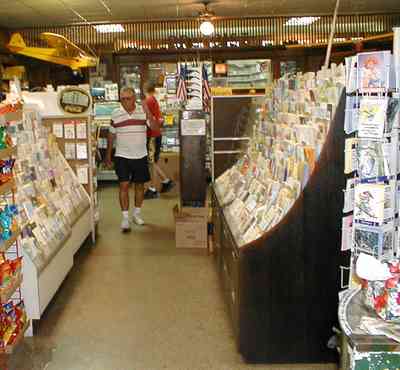
The store was built in 1927.
-
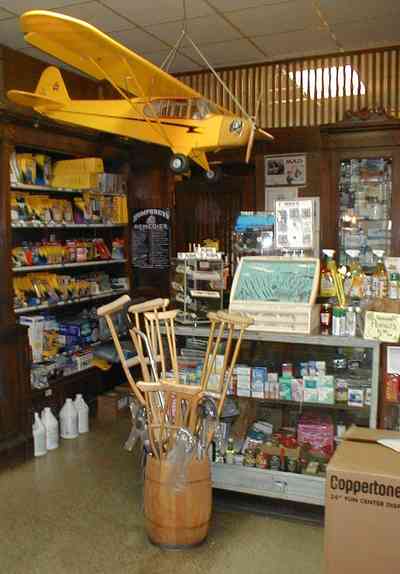
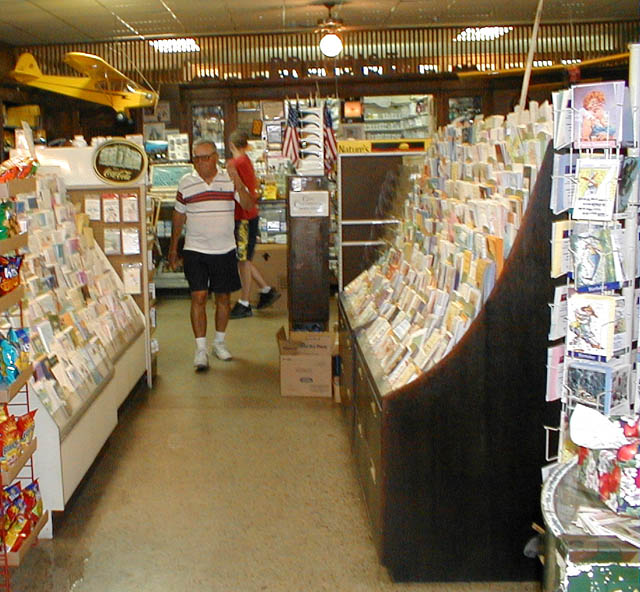
The owners reinstalled the original racks and store cases.
-
-
-
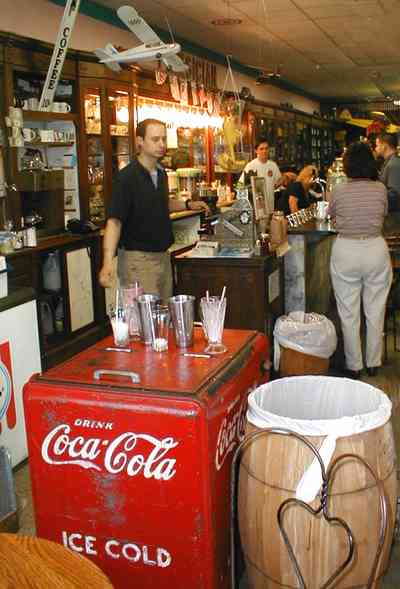
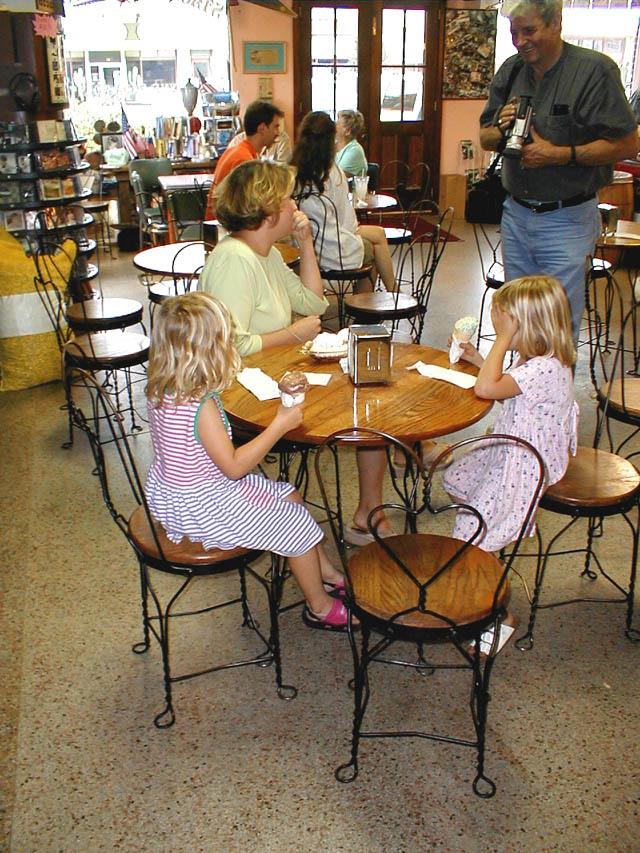
The soda fountain functions much as it did in the early 20th century and serves the same variety of ice cream, malts and banana splits.
-
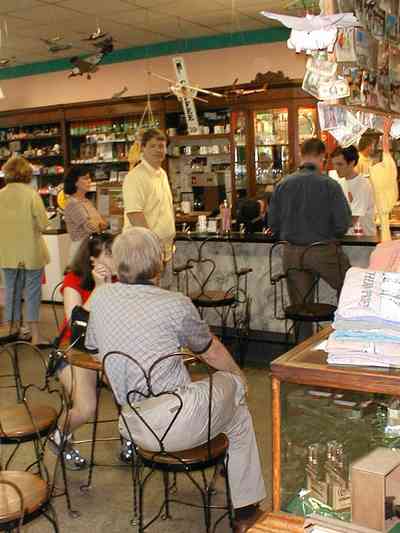
-
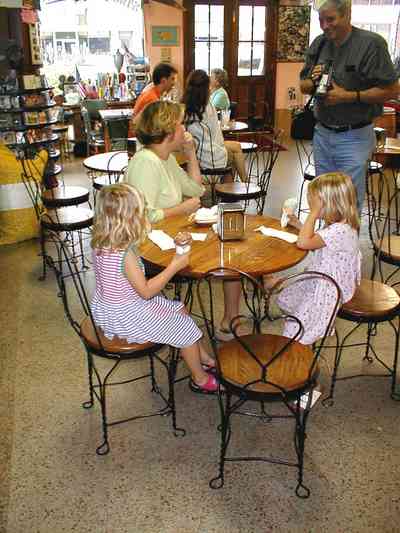
Tourists and shoppers gather in the drugstore to enjoy the old time atmosphere.
-
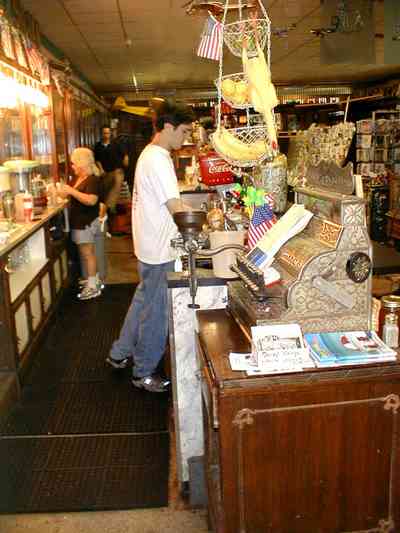
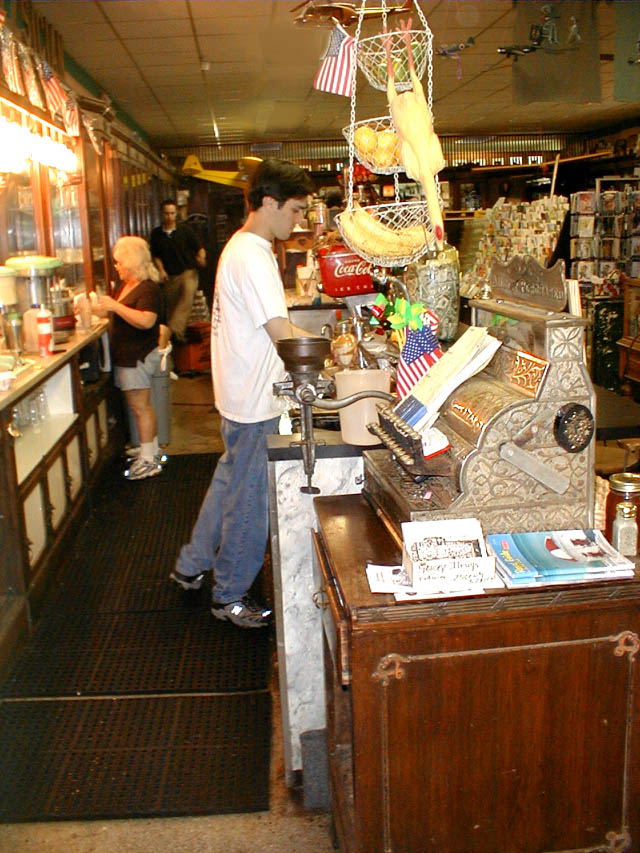
The original cash register is an object of great interest to customers.
-
-
-
-
-
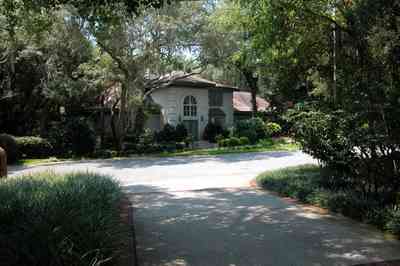
This is a view of the home across the street from the driveway.
-
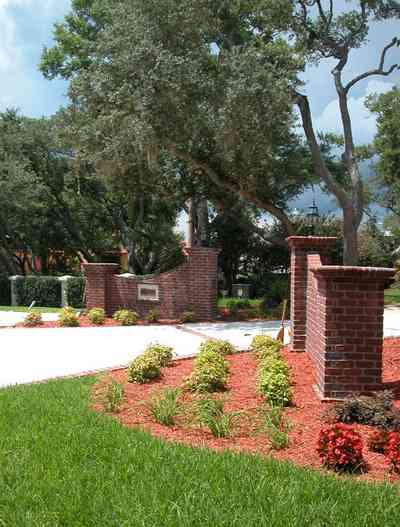
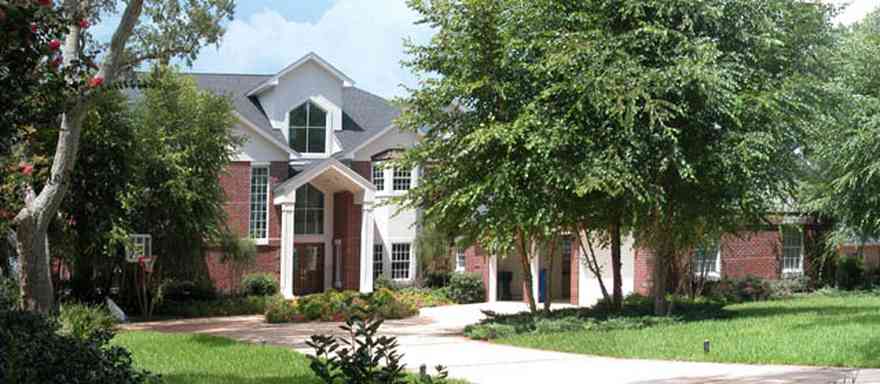
The entrance for the home at 706 is the first entrance to the south.
-
-
-
-
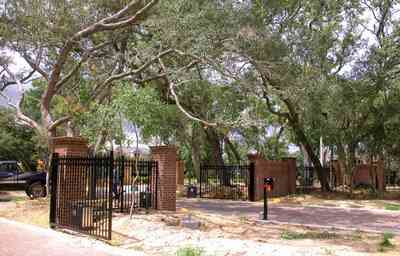
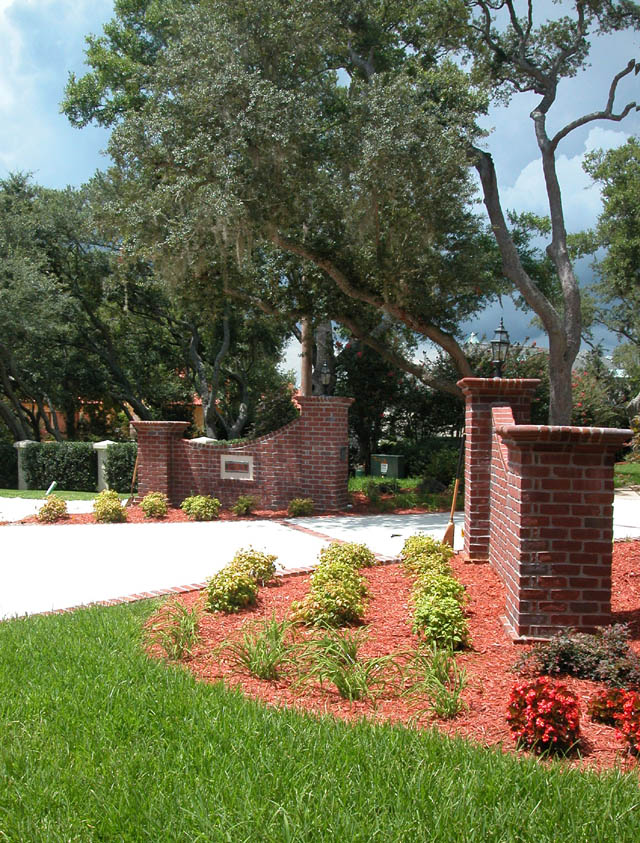
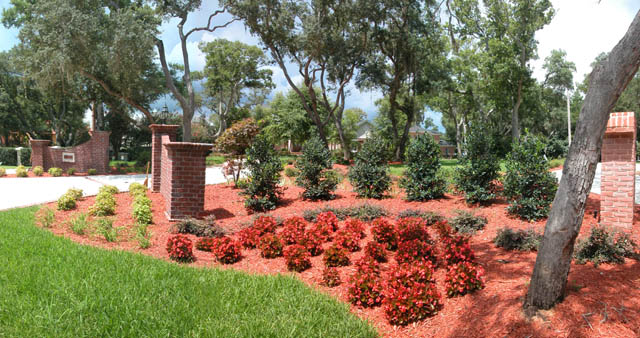
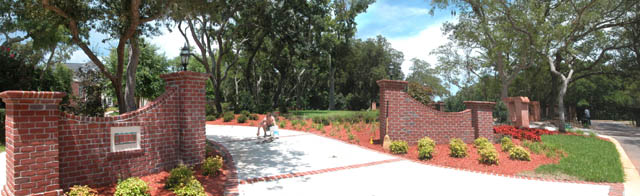
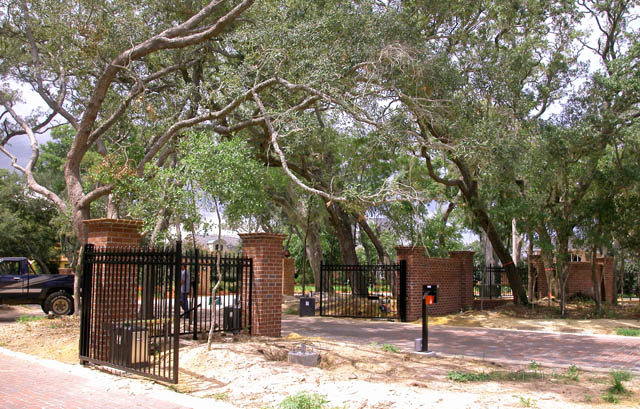
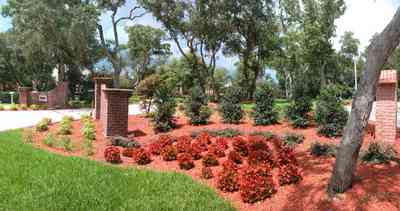
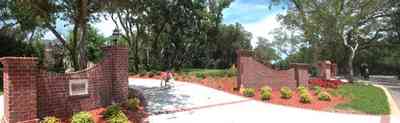
The Peake's Point Development is a gated community.
-
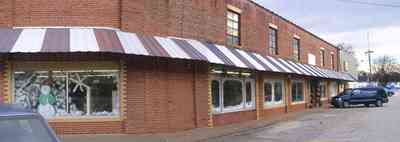
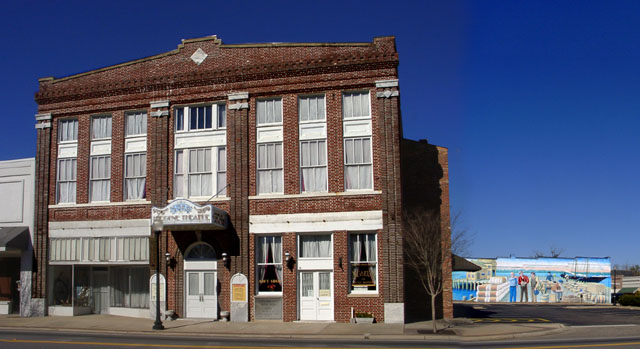
The small town center features a line of unique brick store-fronts in red brick trimmed in yellow.
-
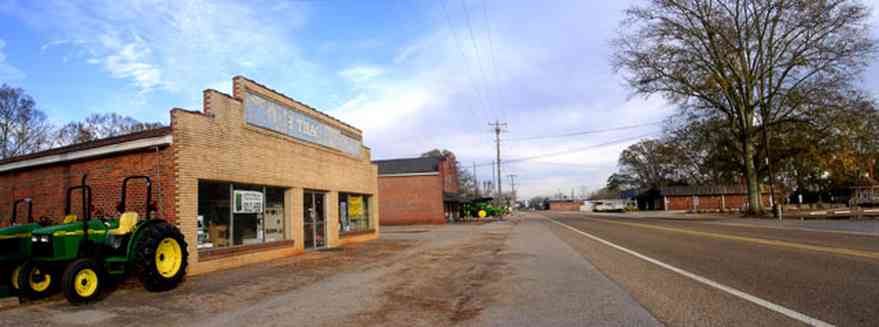
The main street through the town features businesses related to the farming community.
-
-
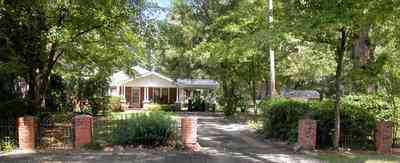
-
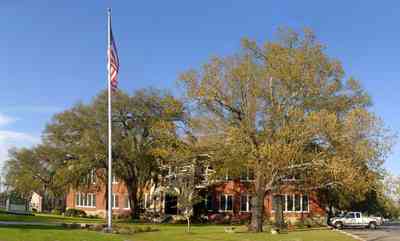
The school administration building is located on the corner of Canal and Pine Street.
-
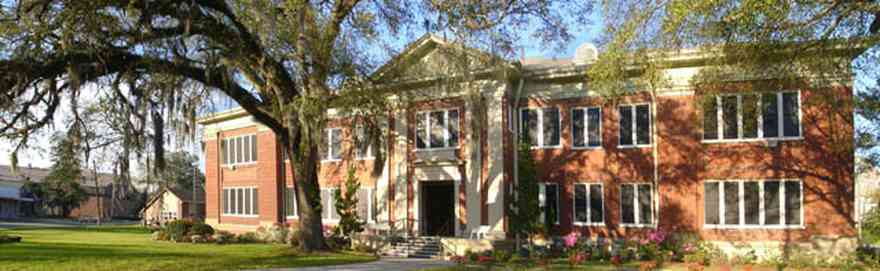
During the classical revival period, architects generally produced academic designs based on classical or Renaissance precedents.
-
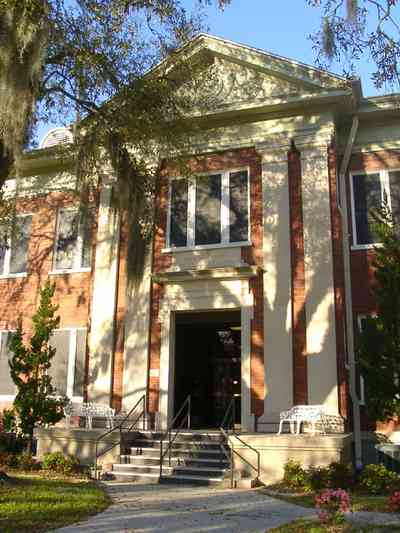
Government buildings were designed in the classic tradition during the late 19th and early 20th century.
-
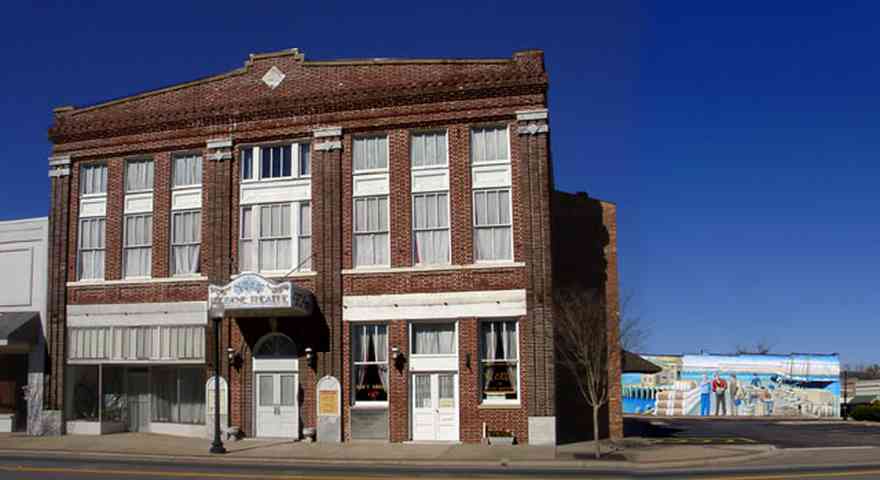
This was one of the first brick buildings constructed after the 1909 fire.
-
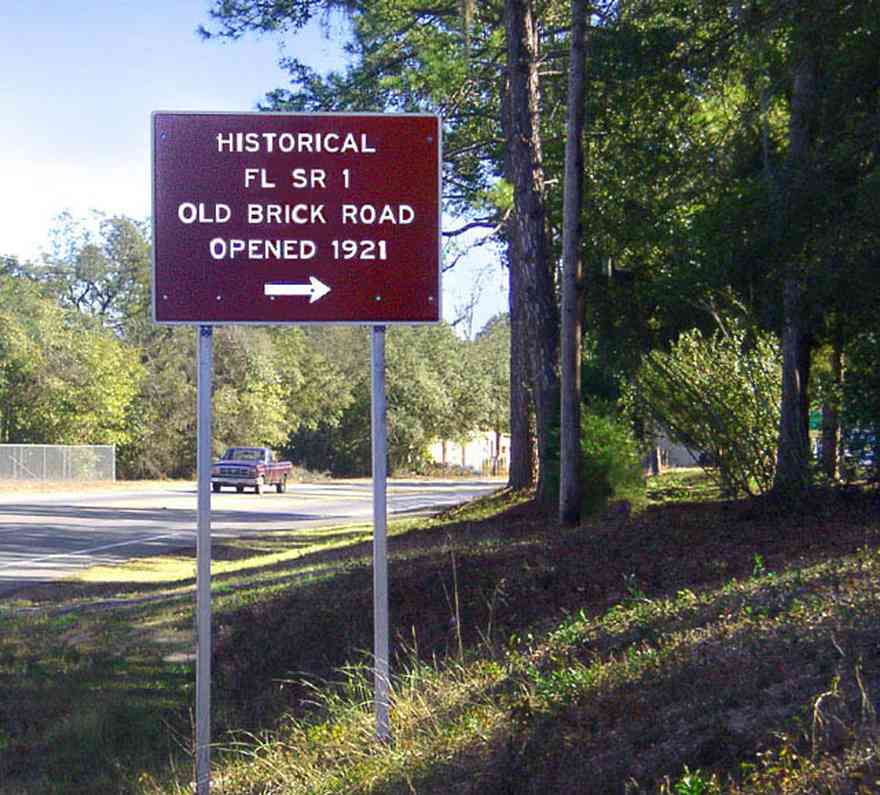
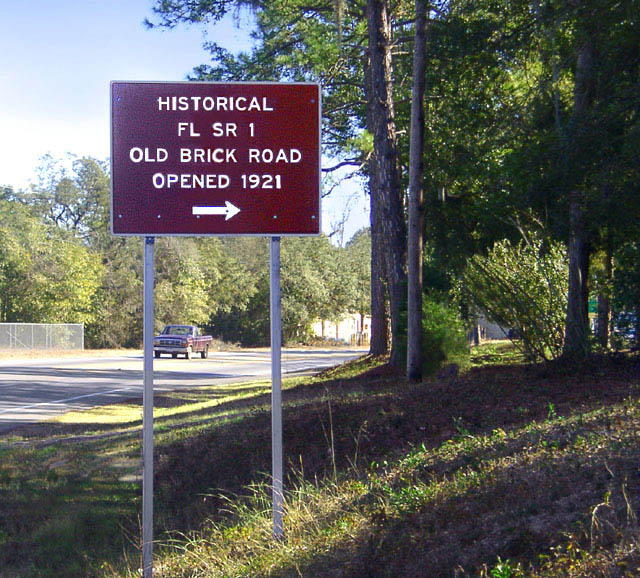
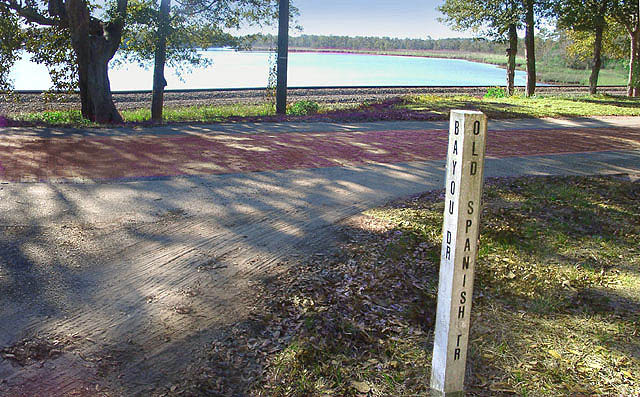
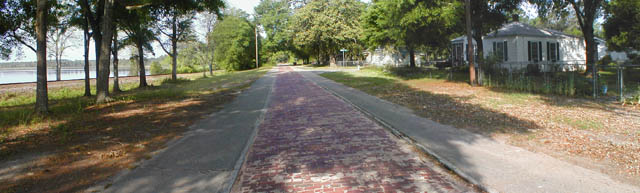
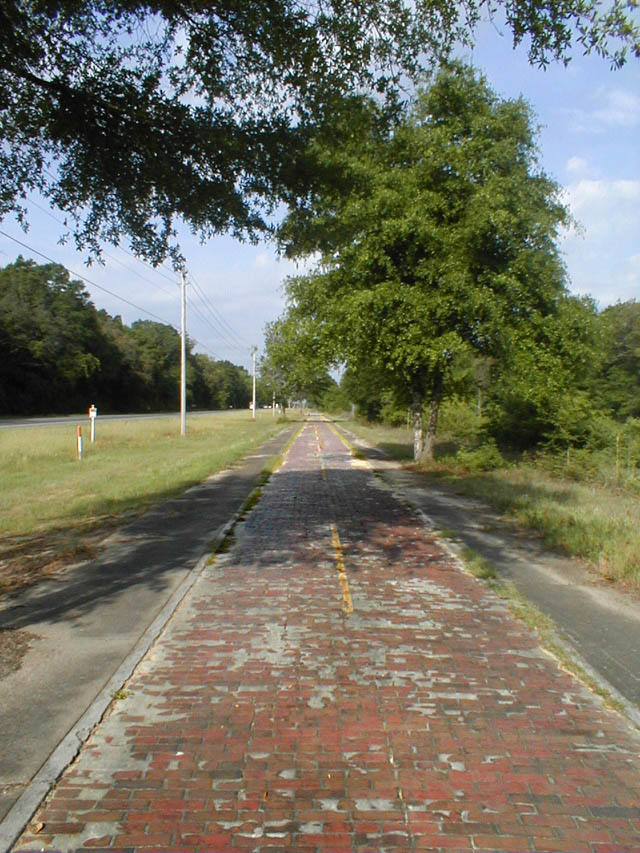
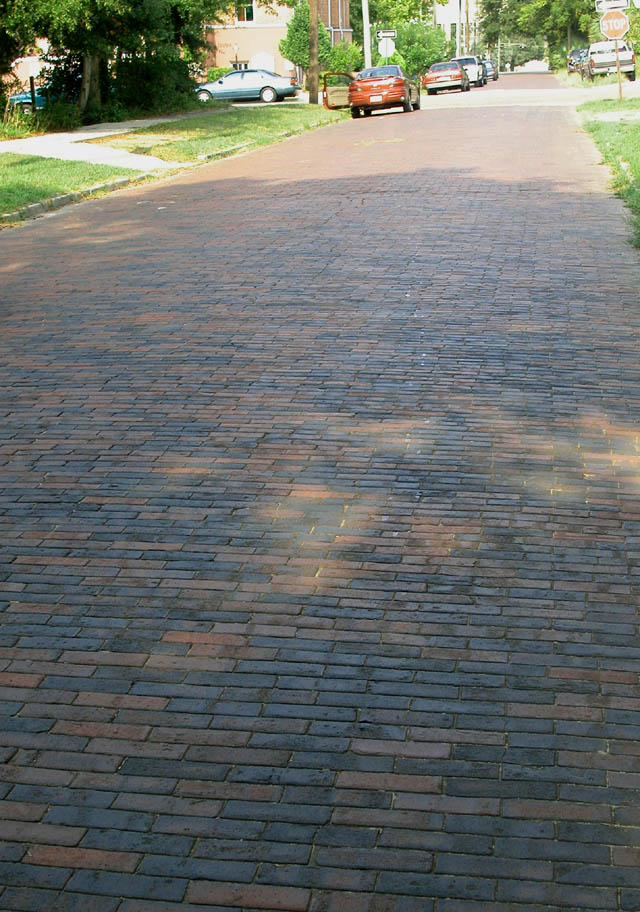
The red brick road can be accessed off Highway 90 on the east side of the Blackwater River.
-
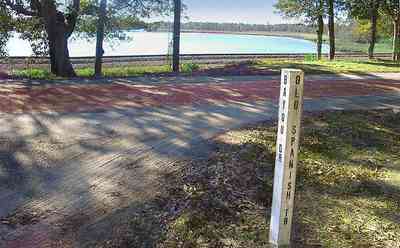
The road is also known as the Old Spanish Trail.
-
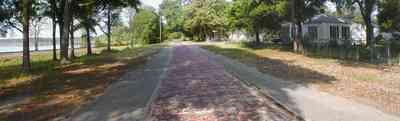
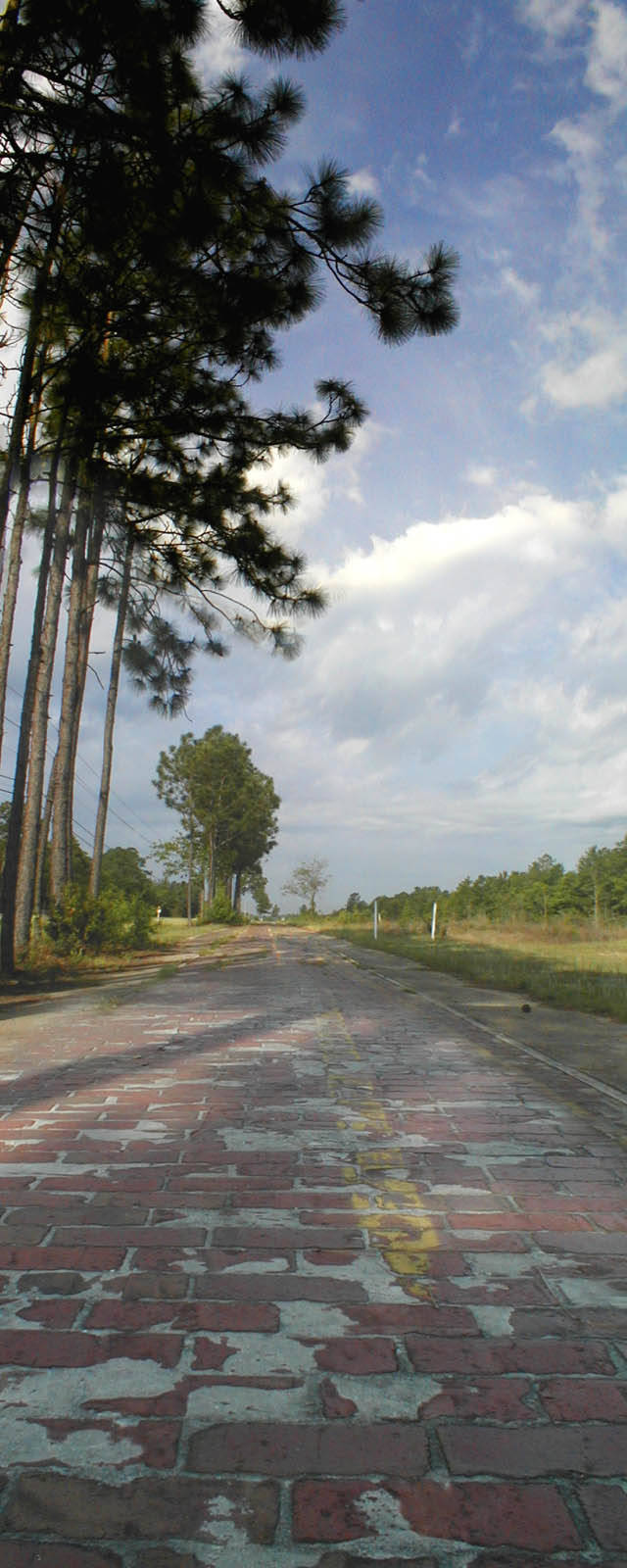
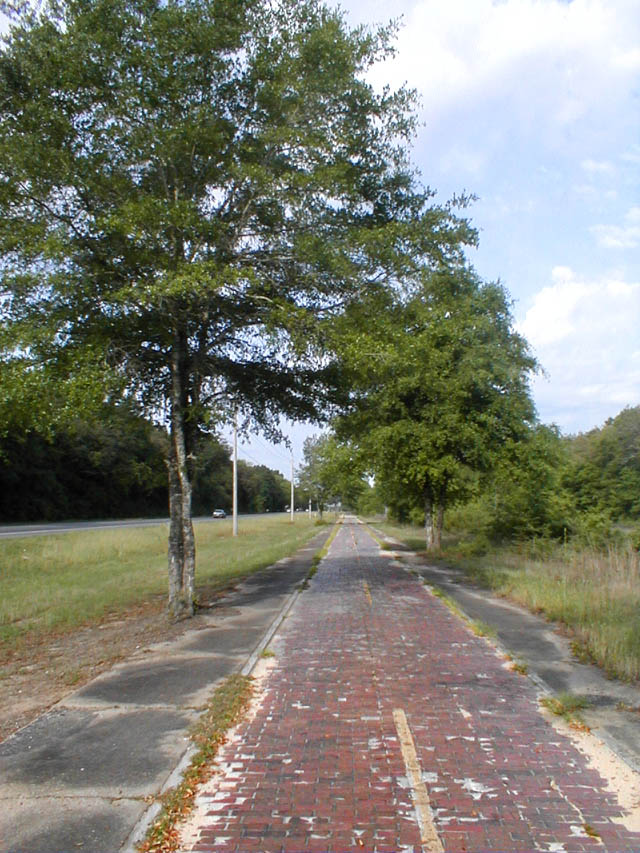
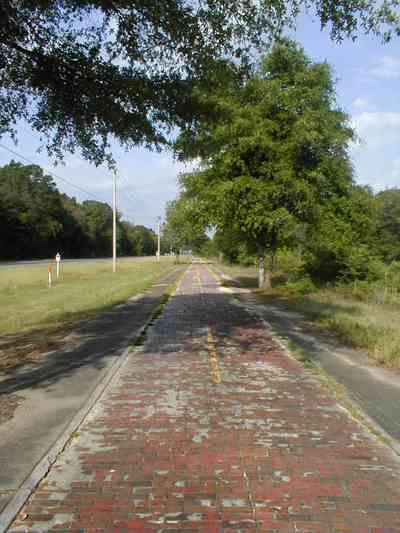
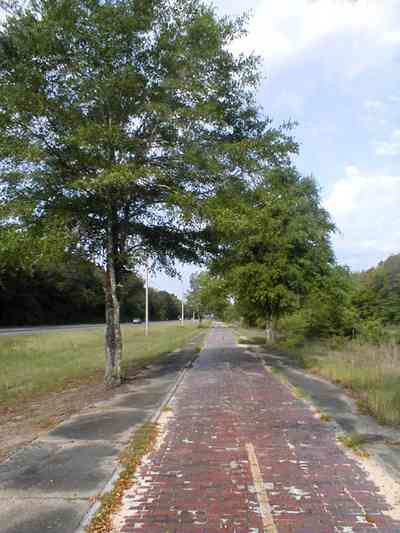
The red brick road is still in use as a thorofare in a 1940's East Milton neighborhood. The CSX rail line runs alongside of the road.
-
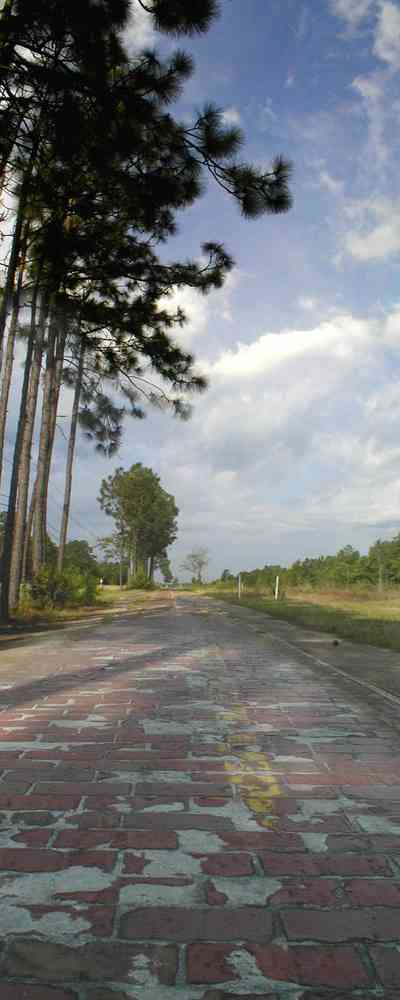
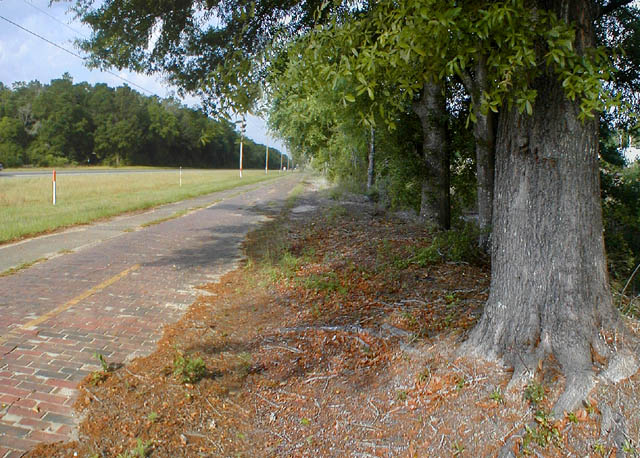
The restored road runs along Highway 90.
-
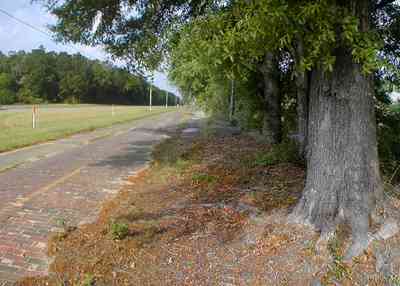
The land on either side of Highway 90 and the Red Brick Road is undeveloped for approximately five miles on the east side of Milton.
-
-
-
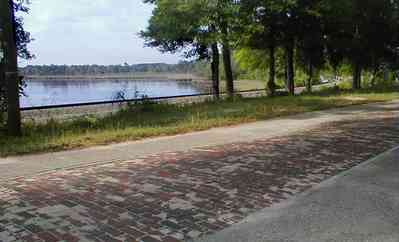
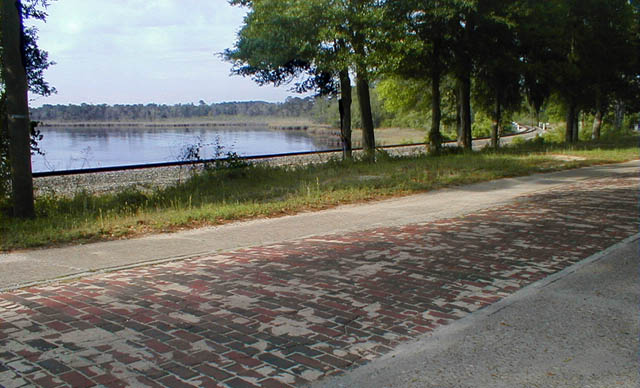
Blackwater Bay can be seen from the road.
-
-
-
-
-
-
-
-
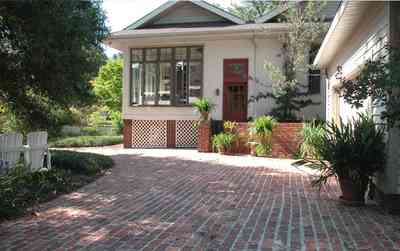
The side entrance is accessed on Baylen Street.
-
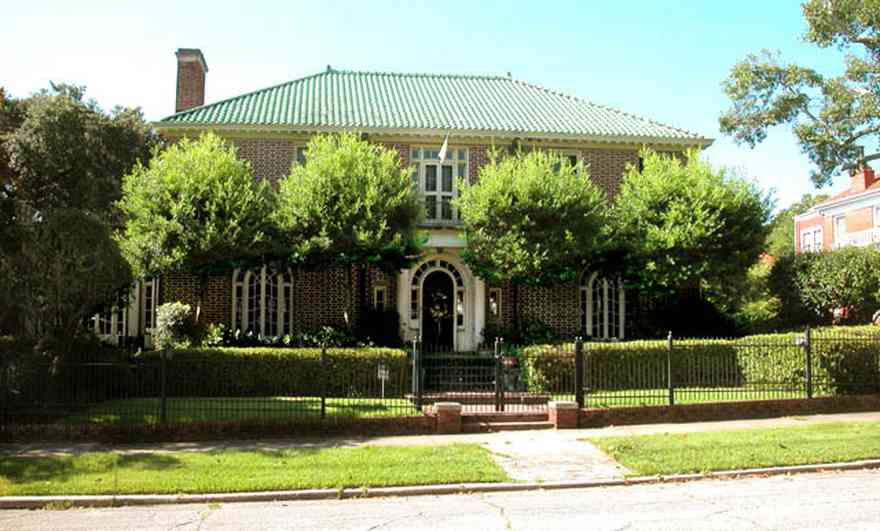
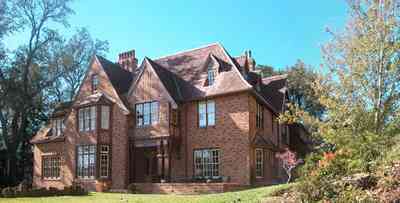
The three story brick home is elaborately finished with imported materials. It is located in the heart of the North Hill Preservation District.
-
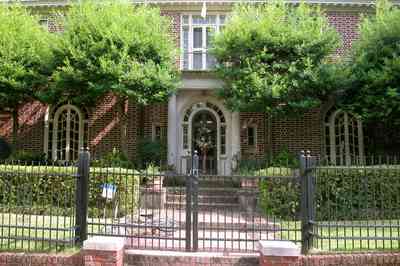
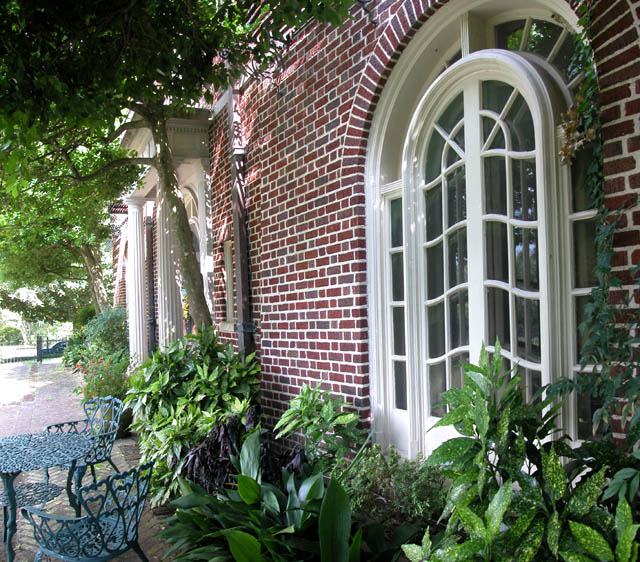
The windows on the first floor extend from floor to ceiling in an arch design using leaded glass panes.
-
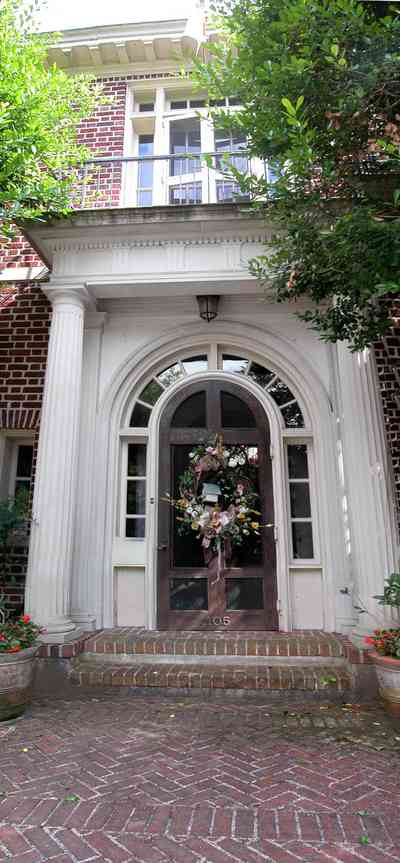
There are balconies at each of the upstairs front windows as in the example above the front door.
-
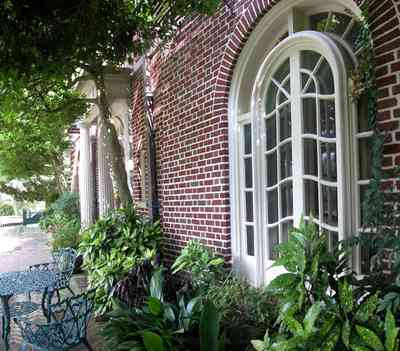
The windows on the first floor extend from floor to ceiling in an arch design using leaded glass panes. The doors are built in double sets.
-
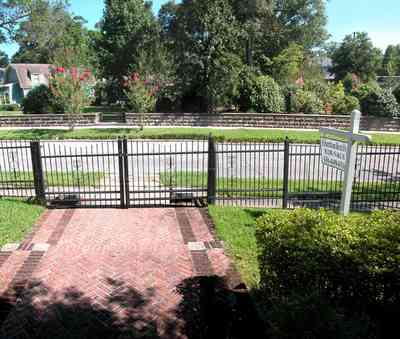
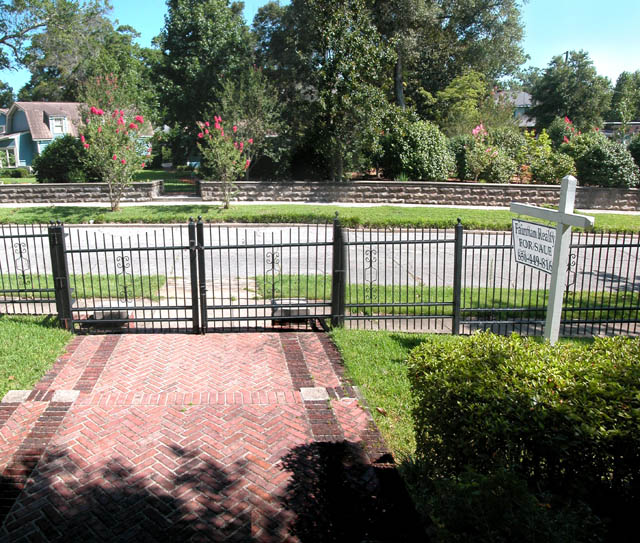
The home faces Gonzales Street. The sidewalk leads to the front door.
-
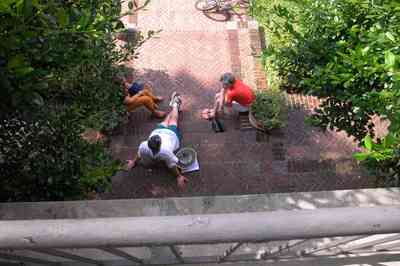
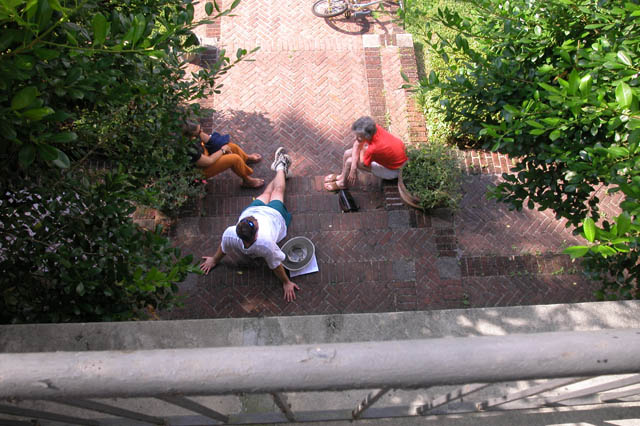
Each upstairs room has a balcony. This is the view from the central room on the second floor.
-
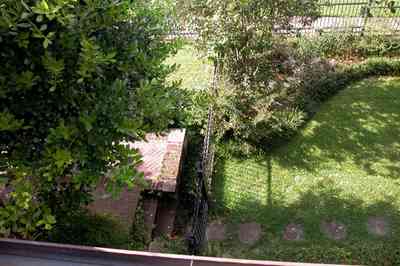
This is a view from the porch adjacent to the master bedroom overlooking the front yard.
-
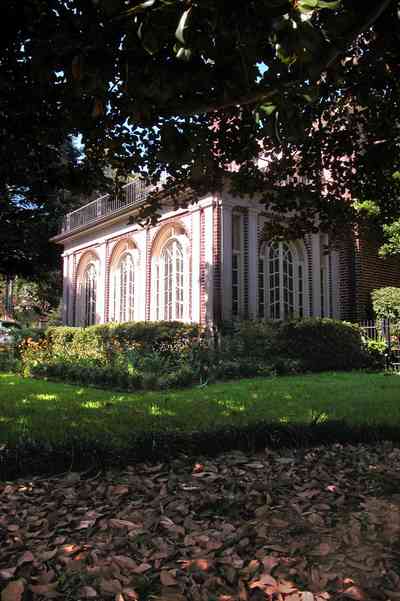
Magnolia leaves are the ground cover under the trees.
-
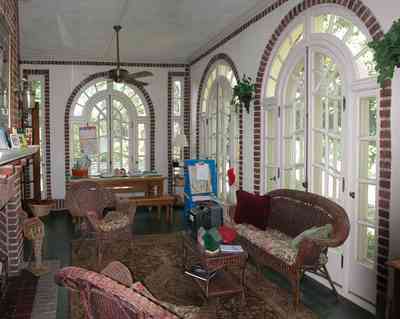
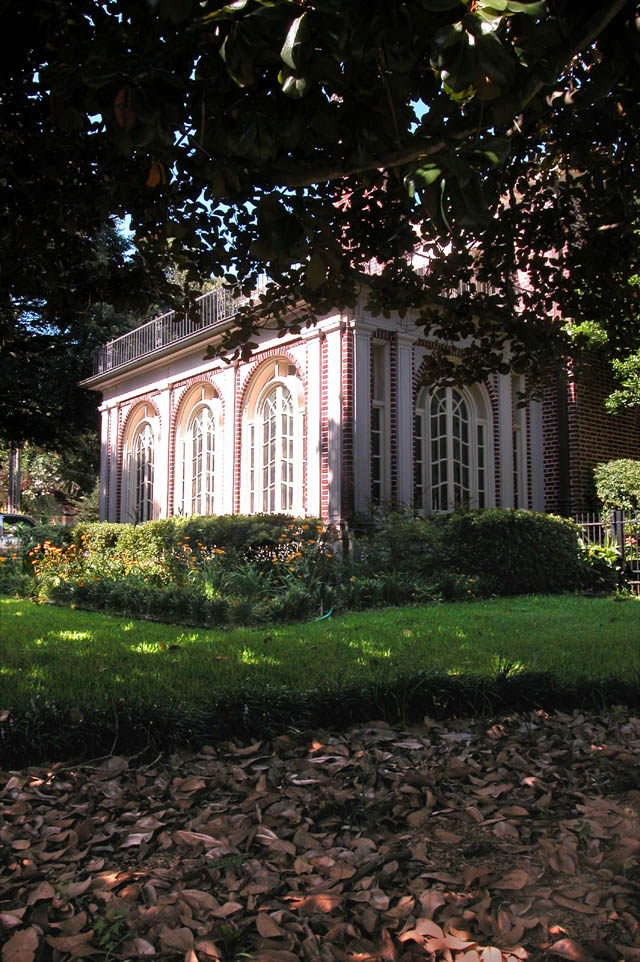
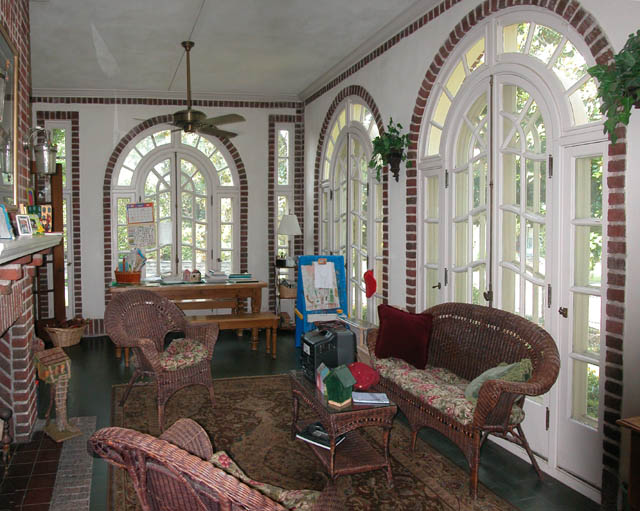
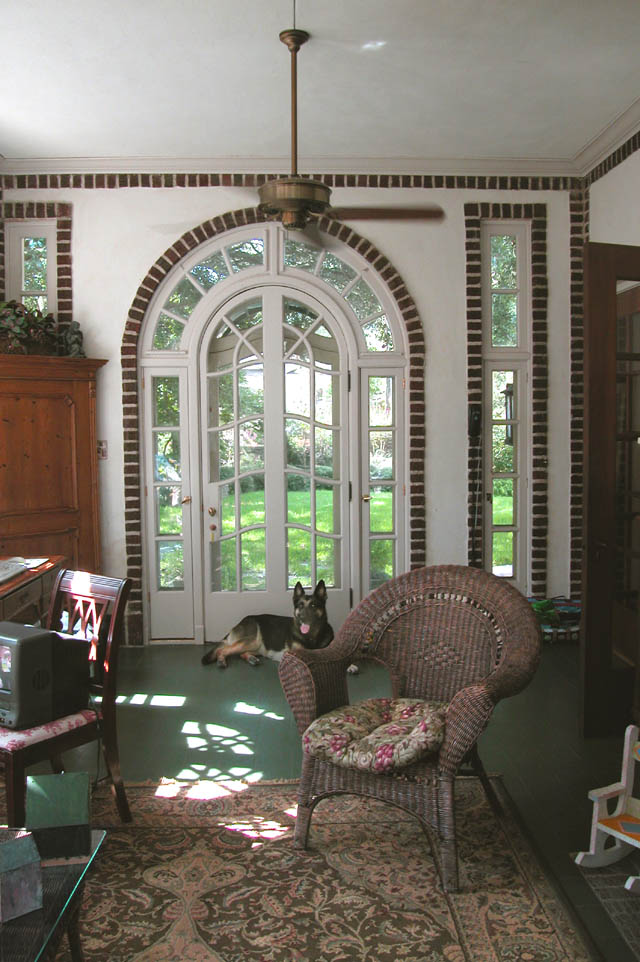
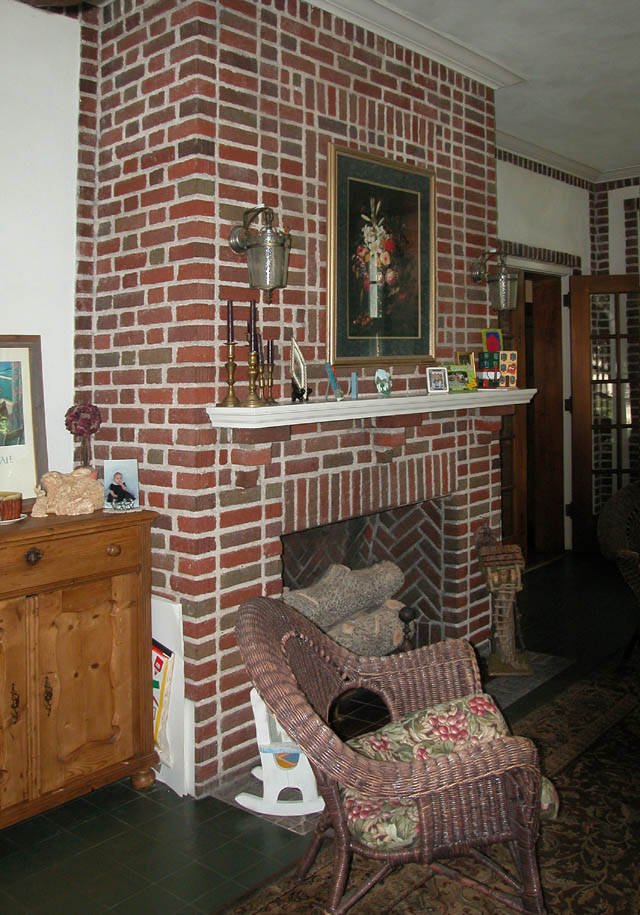
The Florida Room is finished in a unique red-brick trim, accenting the arched windows.
-
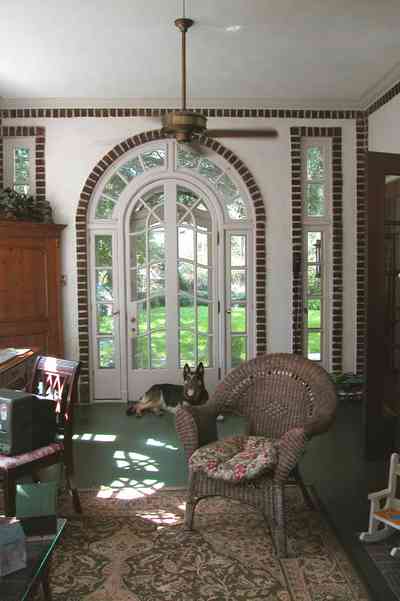
The backyard can be seen through the arched doorway.
-
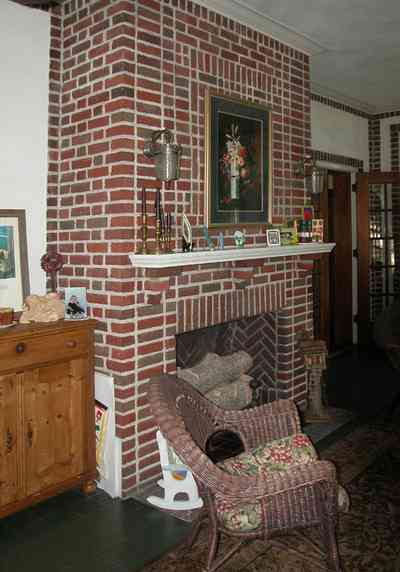
The sunroom is used as a casual family room.
-
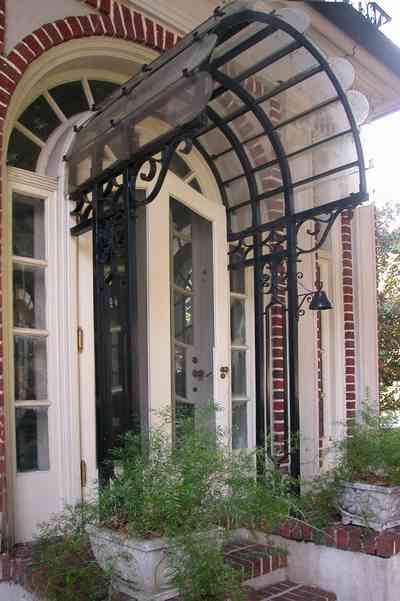
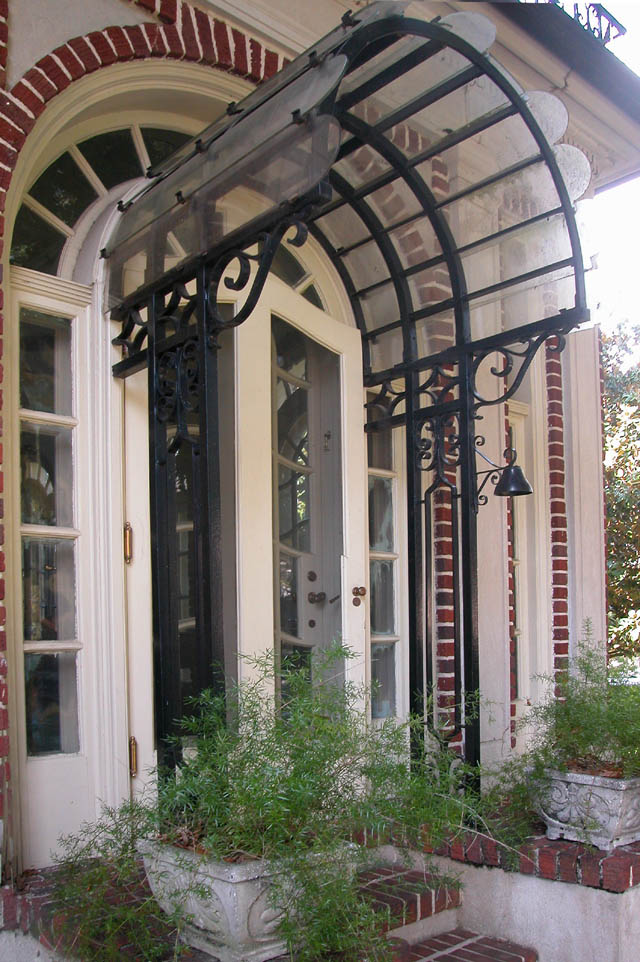
A unique glass and wrought-iron awning shelters the Florida Room entrance.
-
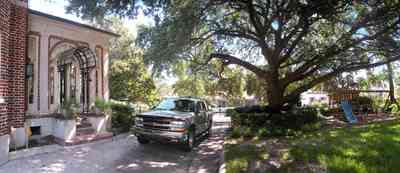
This is the exterior entrance to the Florida sunroom.
-
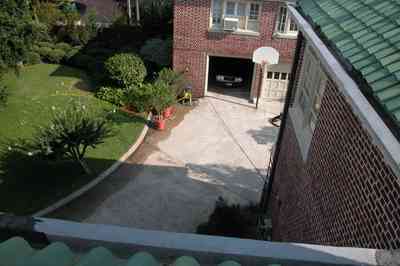
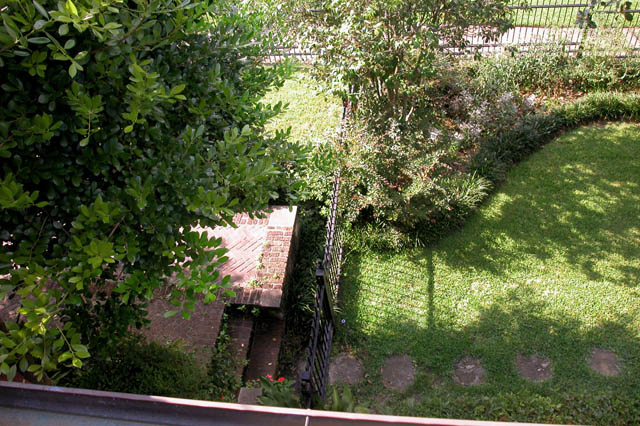
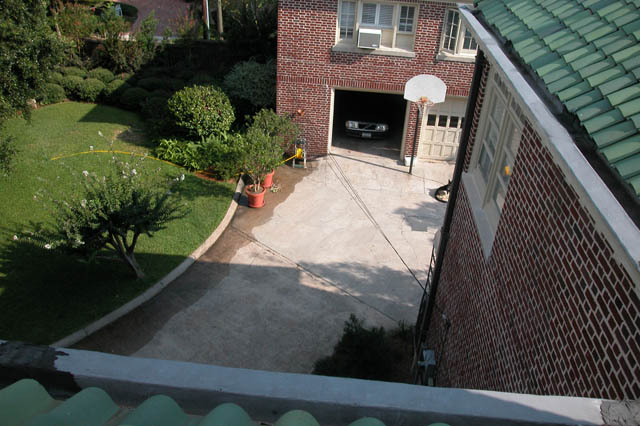
The children's play area and the carriage house can be seen from the 3rd floor bedroom.
-
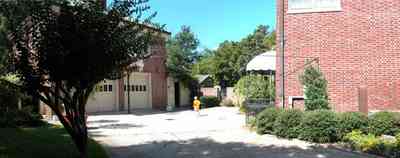
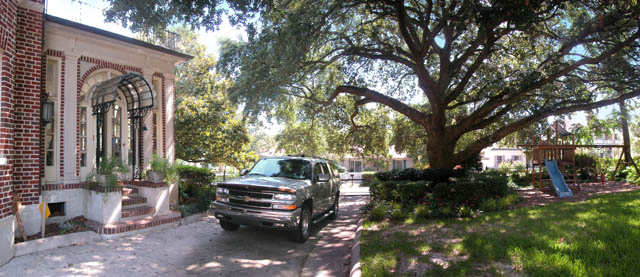
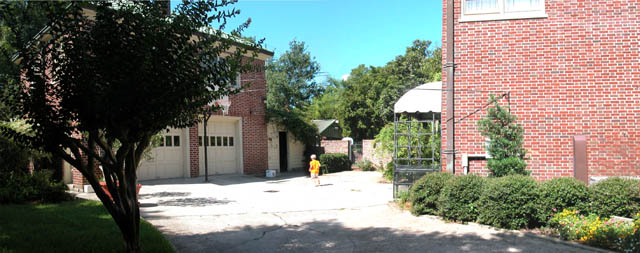
The sideyard is accessed from the driveway on Baylen Street. There is also an entrance from the alley to the garage.
-
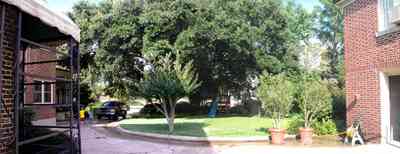
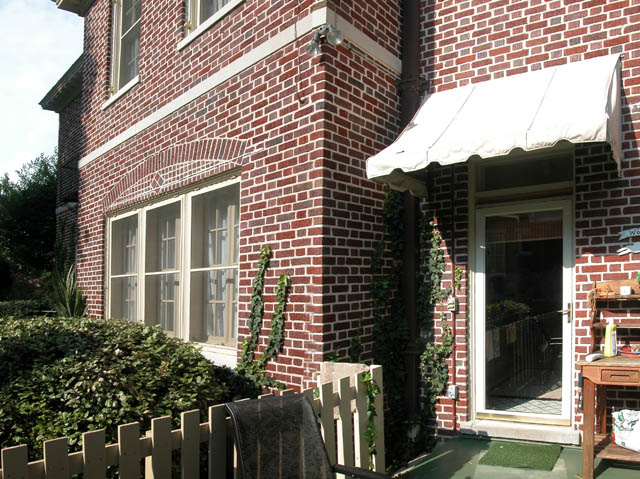
The mudroom entrance is on the far left, under the awning.
-
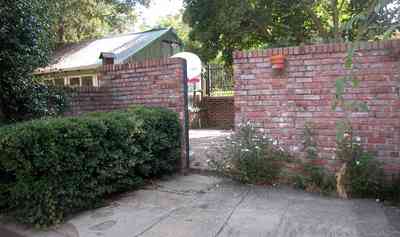
There is a small greenhouse in the southwest corner of the property.
-
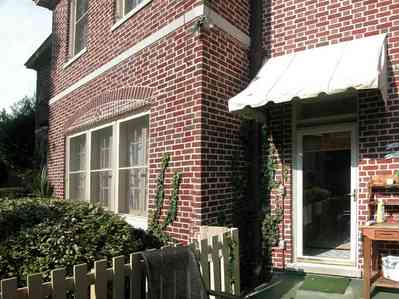
The kitchen door is on the right of the photograph.
-
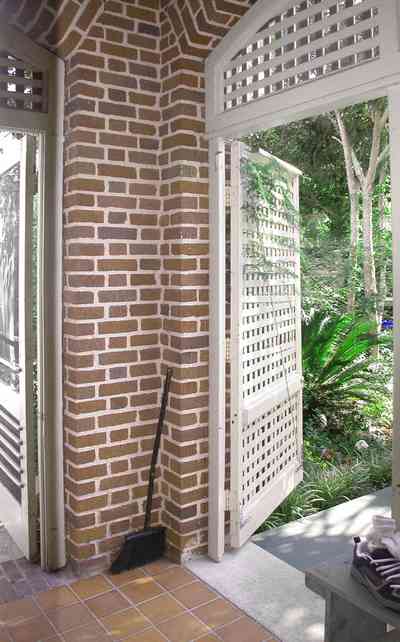
The entrance to the kitchen is through the mud room.
-
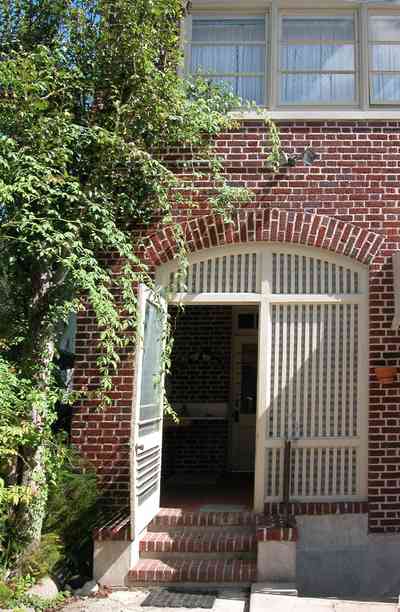
The entrance to the "mud room" is in the back of the house adjacent to the swimming pool patio.
-
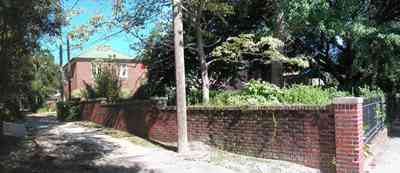
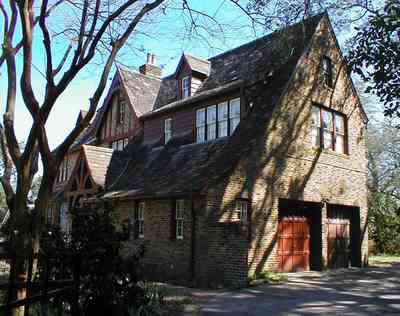
There is a service alley to the south of the property. The carriage house can be seen on the left of the frame.
-
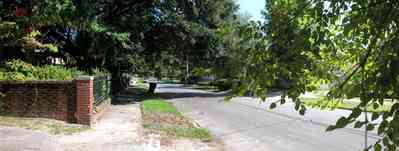
This is the view of the neighborhood from the corner of the service alley on Baylen Street.
-
-
-
Cables attaching the roof to the cement foundation made this home a hurricane haven for the Doctor Payne and his staff.
-
-
-
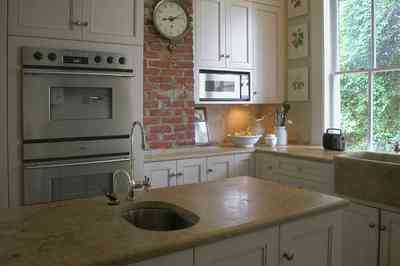
-
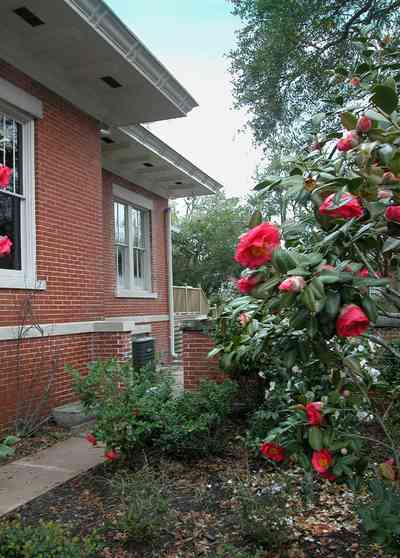
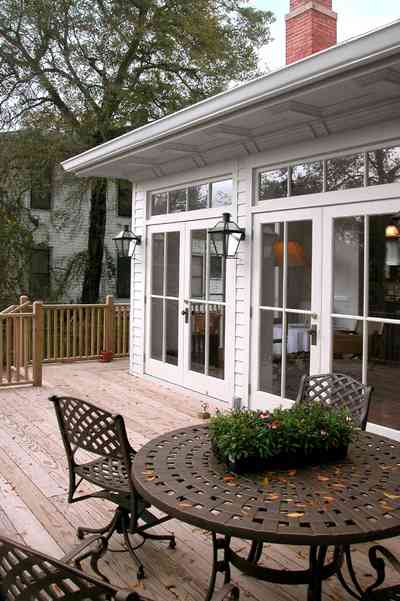
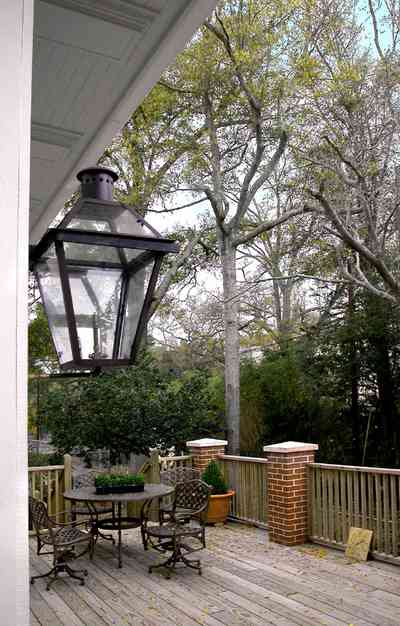
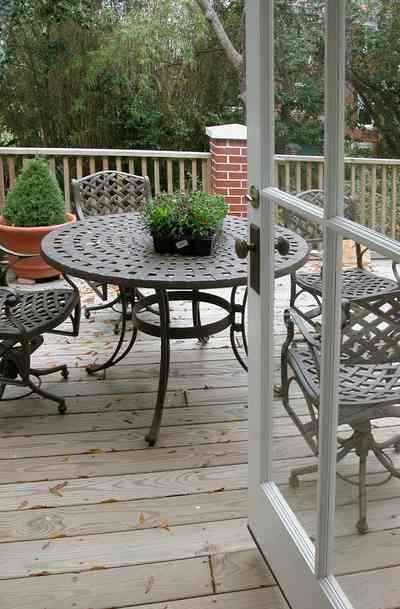
The railing of the back patio deck can be seen in the center of the frame.
-
-
-
-
-
-
-
-
-
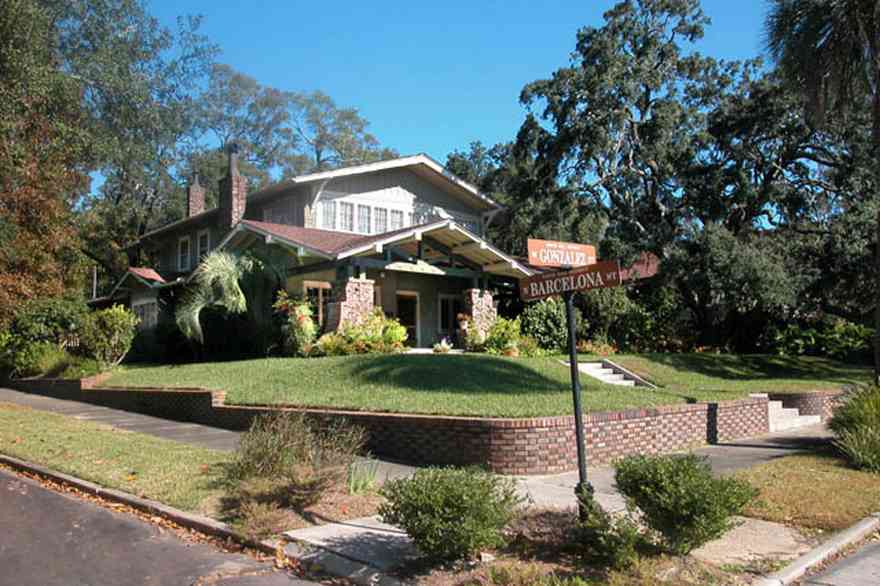
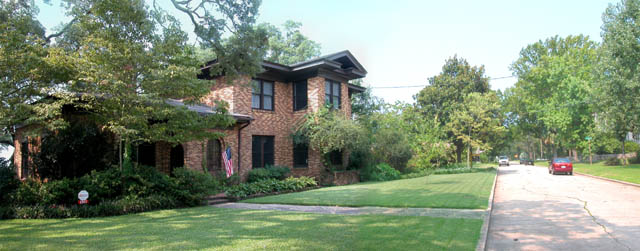
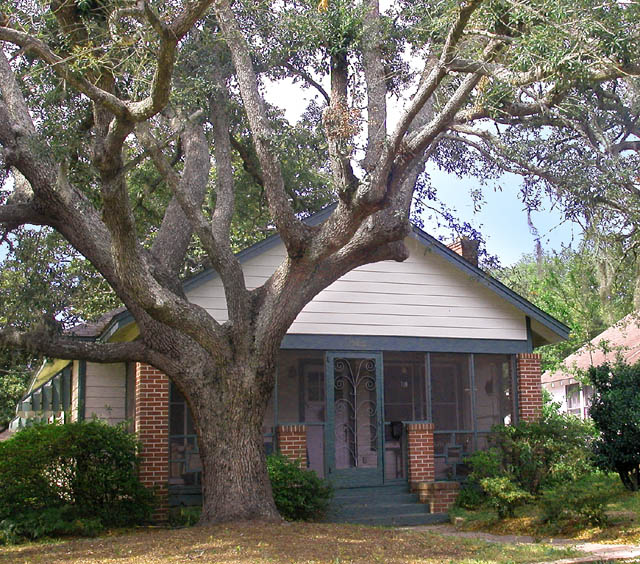
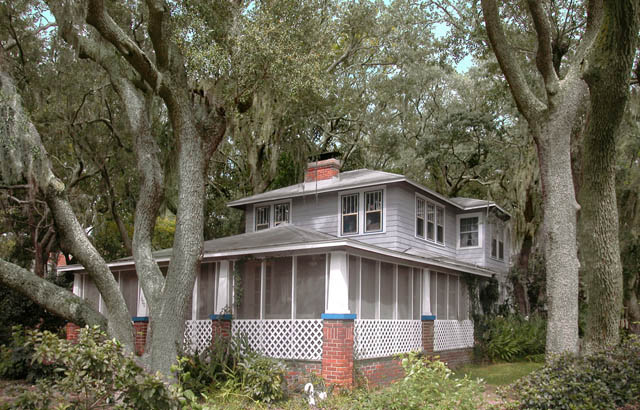
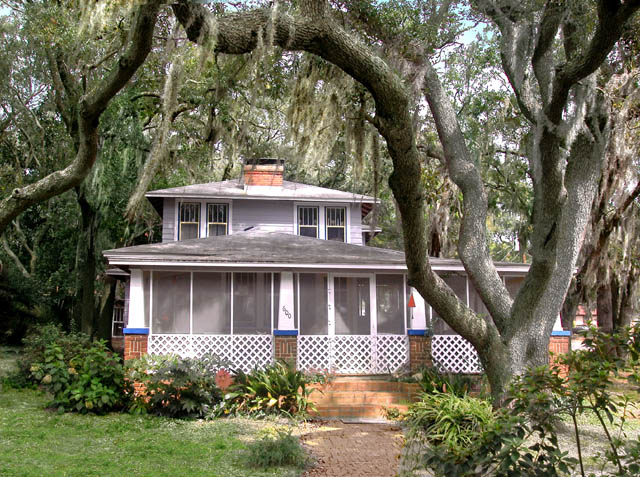
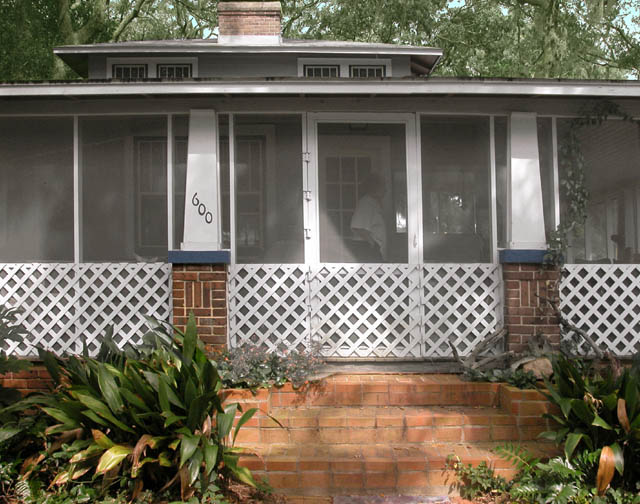
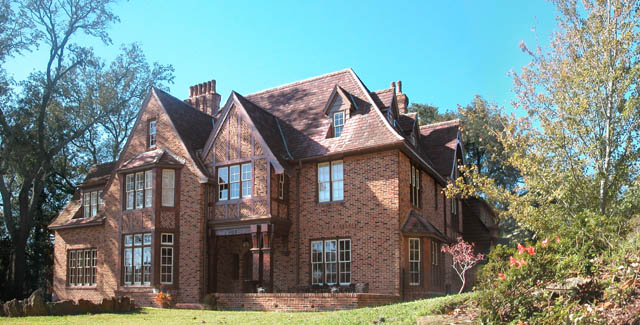
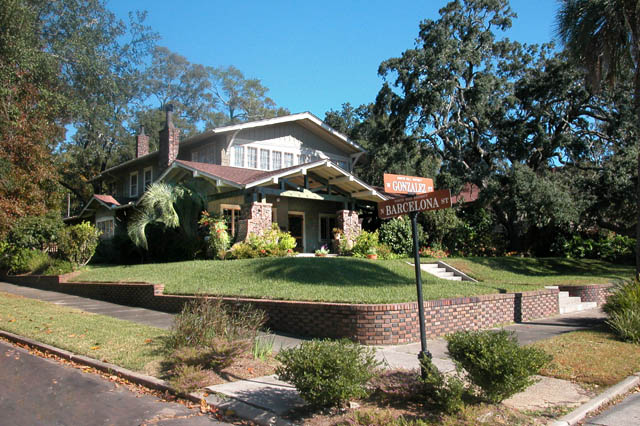
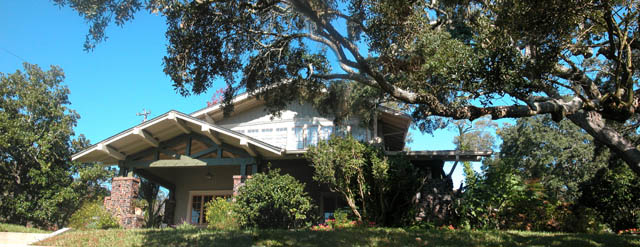
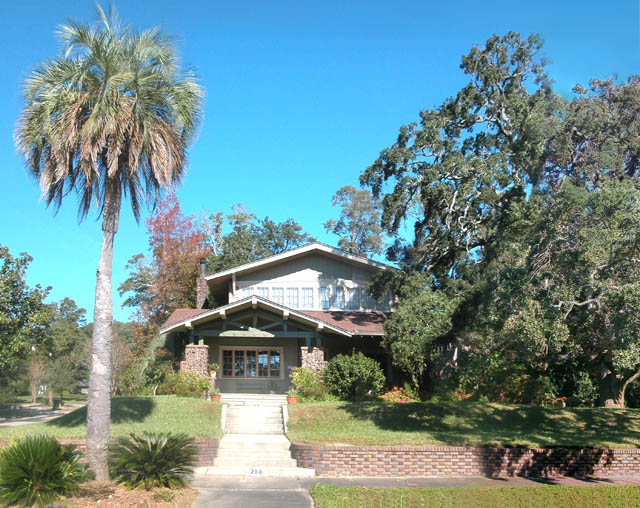
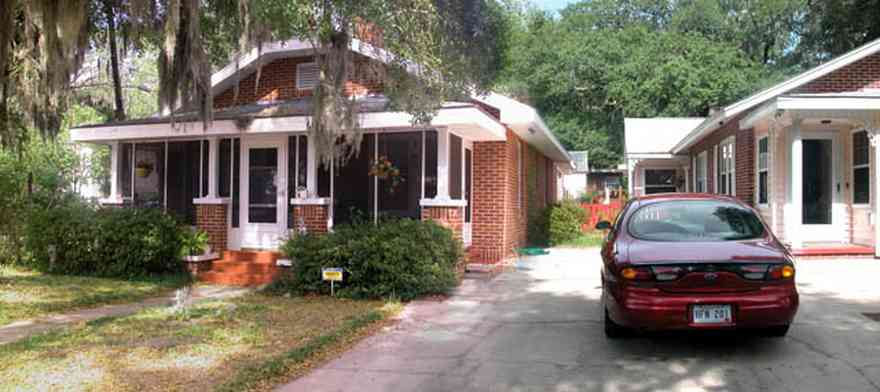
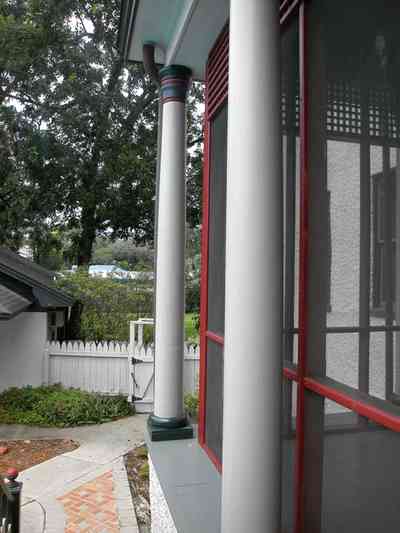
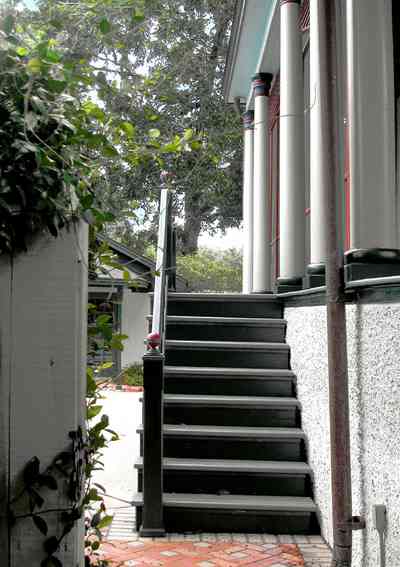
The house exemplifies the bungalow style. It harmonizes with its surroundings because of its low broad proportions and lack of ornamentation giving it a character so natural that it seems to blend into the landscape.
-
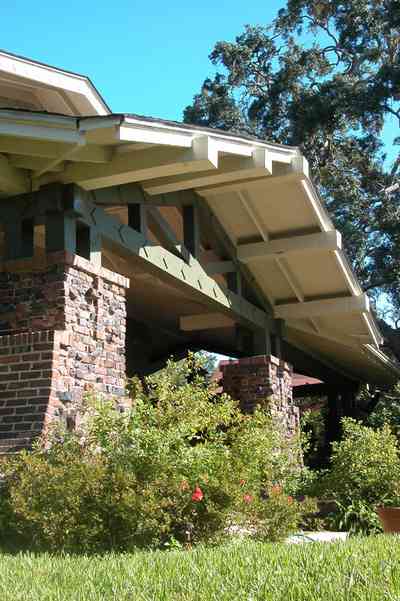
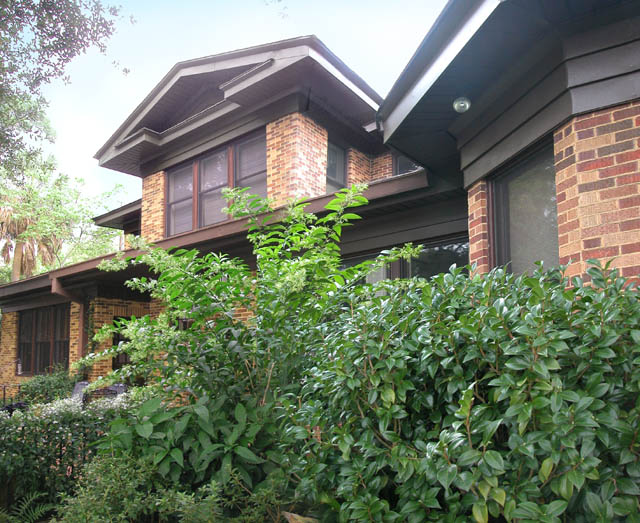
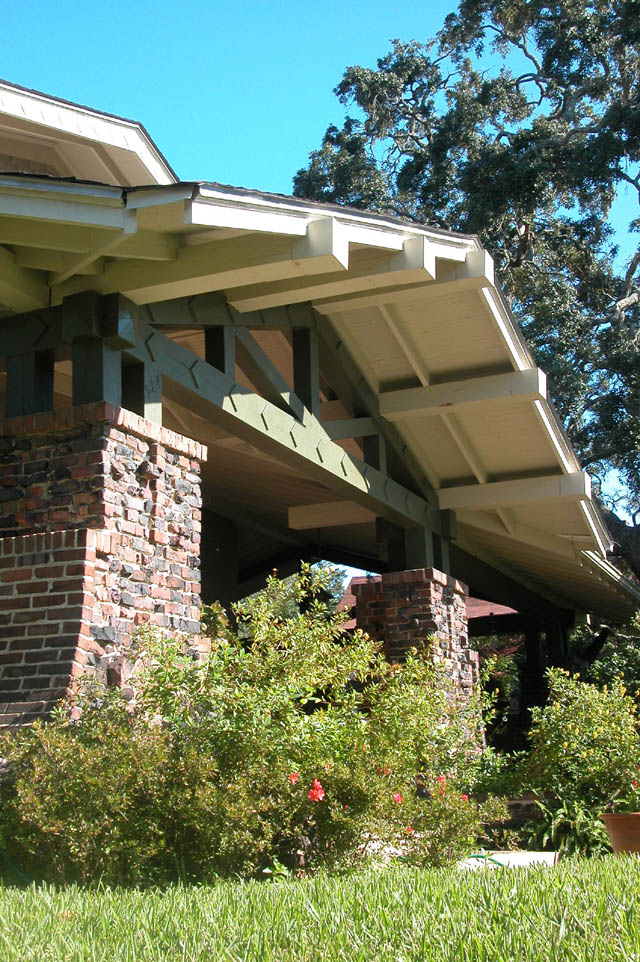
The roof with its wide overhang displays exposed rafters typical of the craftsman style.
-
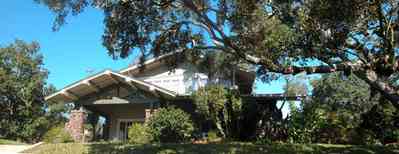
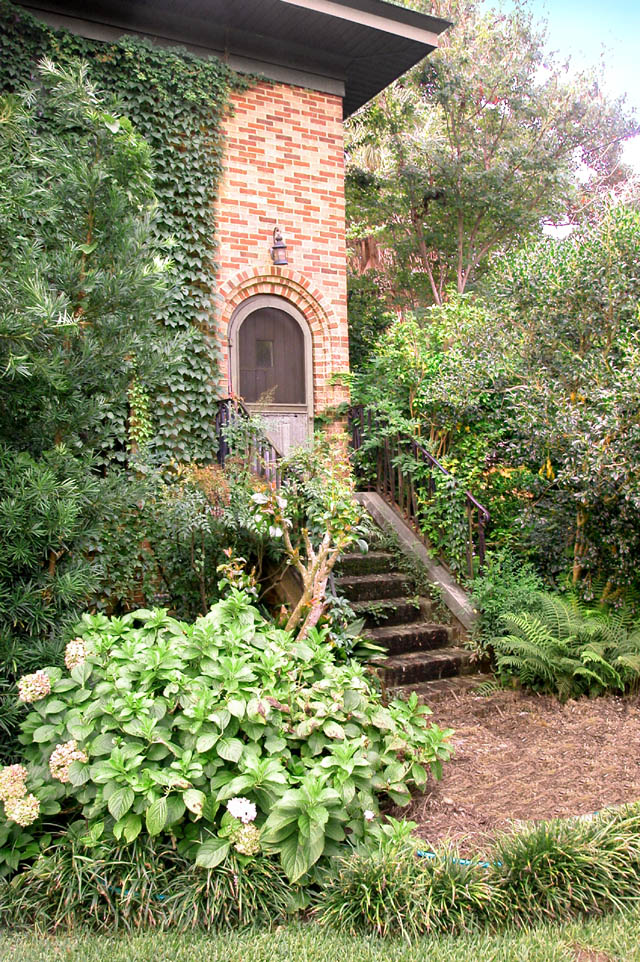
As in this example, bungalows display a fine degree of craftsmanship and are constructed of materials left as closed as possible to their natural state.
-
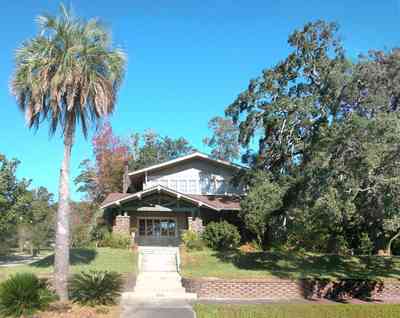
Sears and Roebuck spread the bungalow style across the country by offering several models in its mail-order catalogs.
-
-
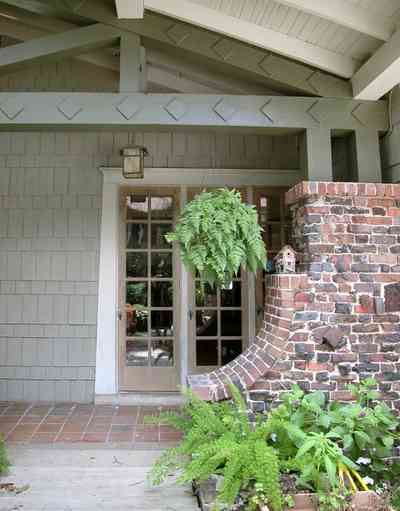
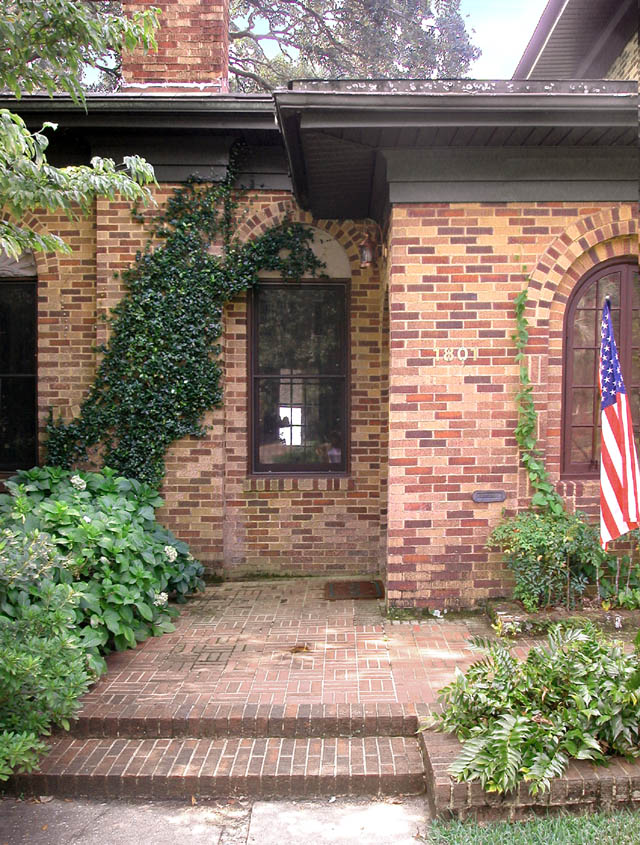
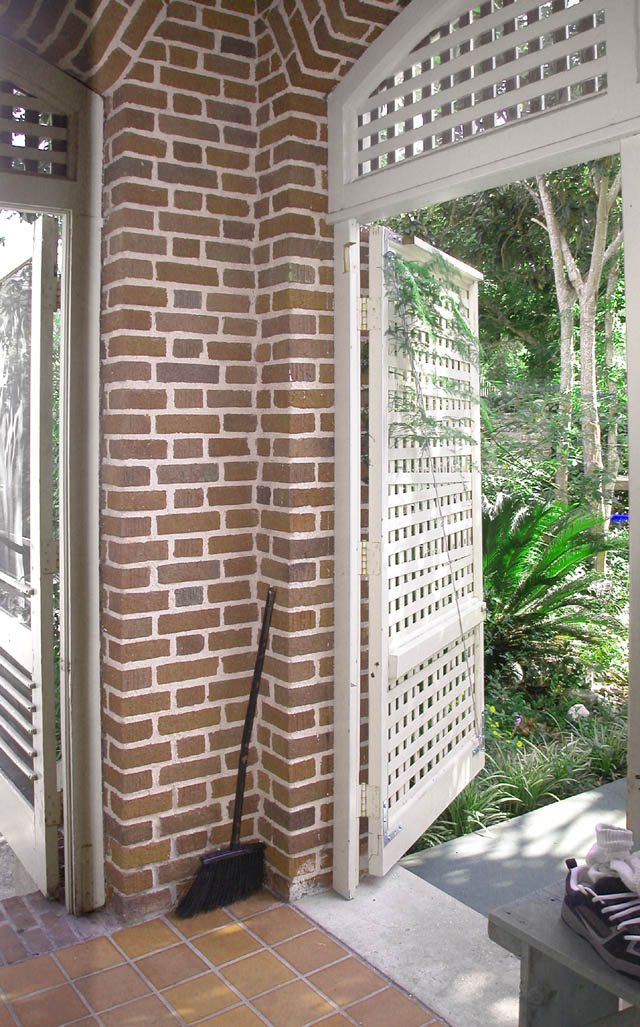
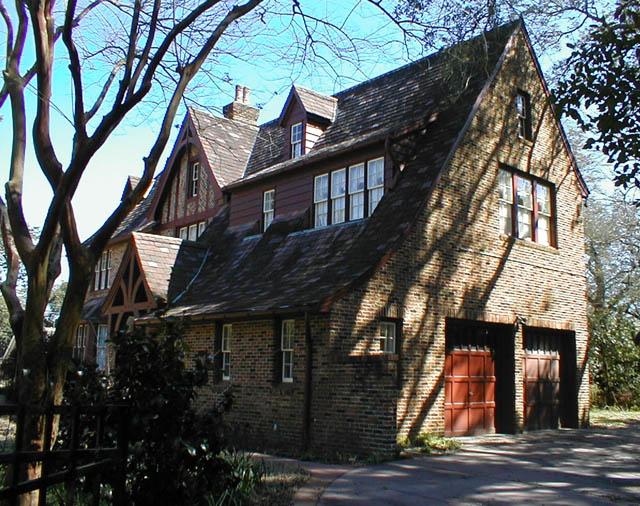
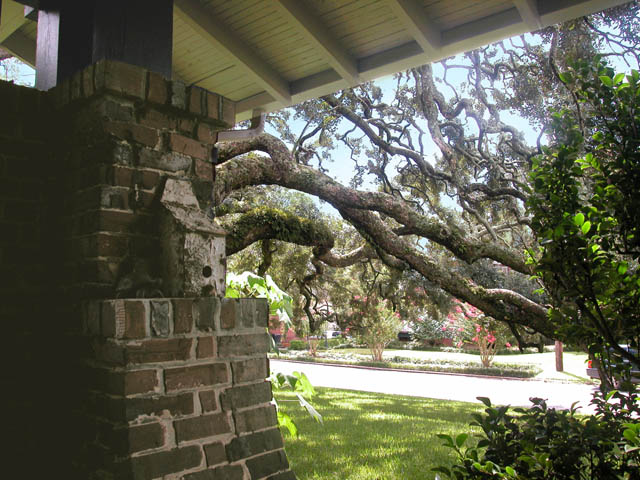
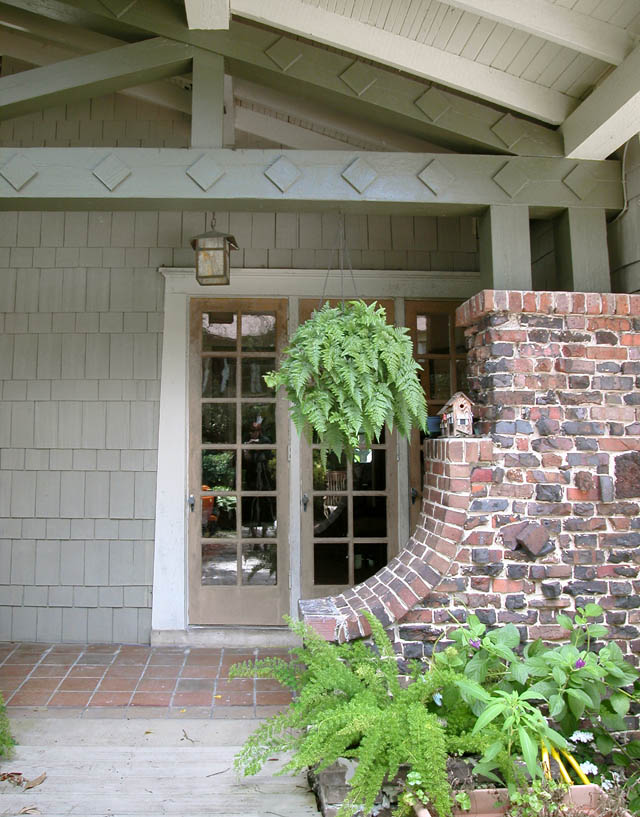
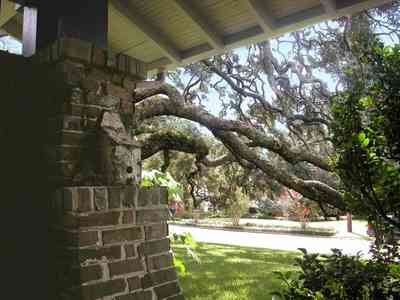
Rough and irregular brickwork is distinctive of the craftsman style. Clinker-bricks were originally discarded because they were discolored or distorted. Around 1920, they were discovered by Craftsman architects to be usable, distinctive and charming! The name "clinker-brick" comes from the sound that they would make when banged together, being heavier than regular bricks.
Click here to see other examples of clinker bricks. -
-
-
-
-
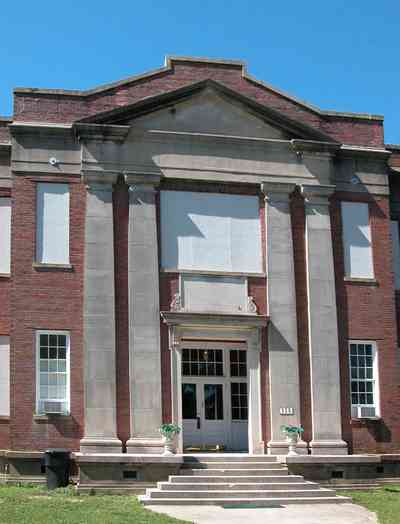
-
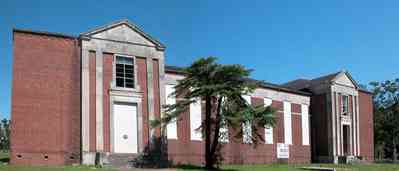
-
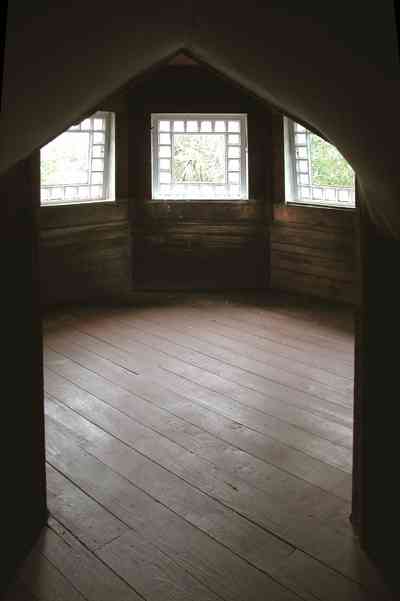
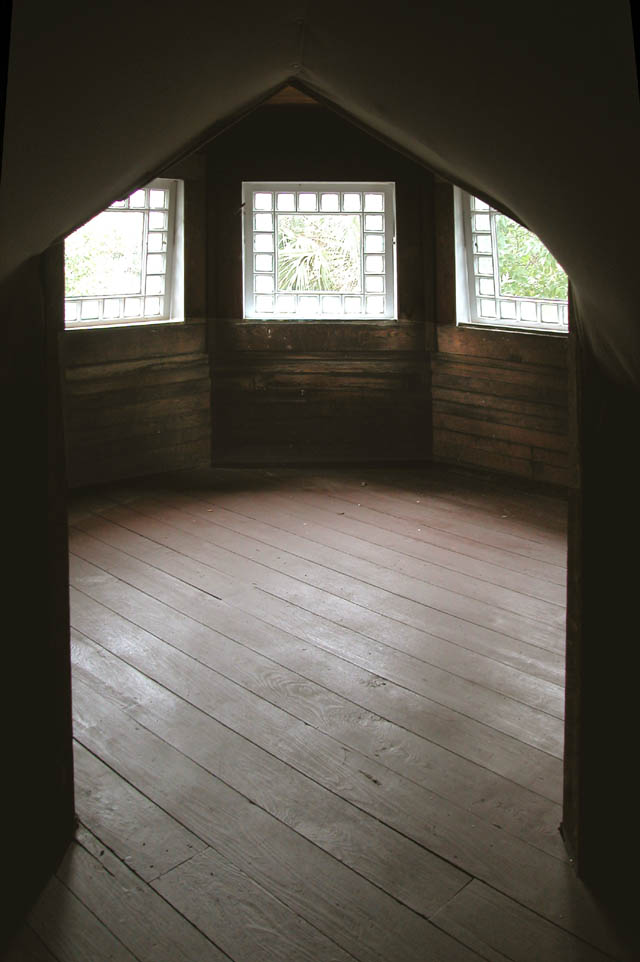
The attic turret room is a hexagon.
-
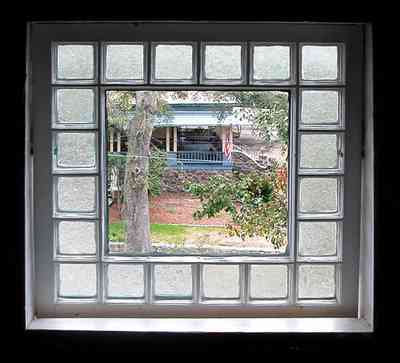
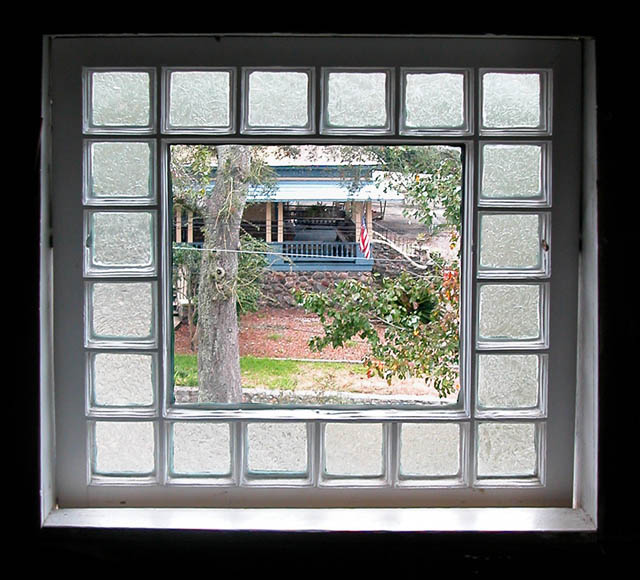
Hopkins House can be seen from the attic windows.
-
-
-
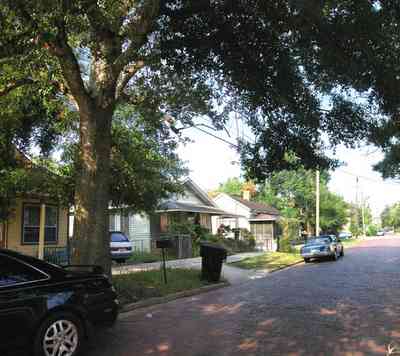
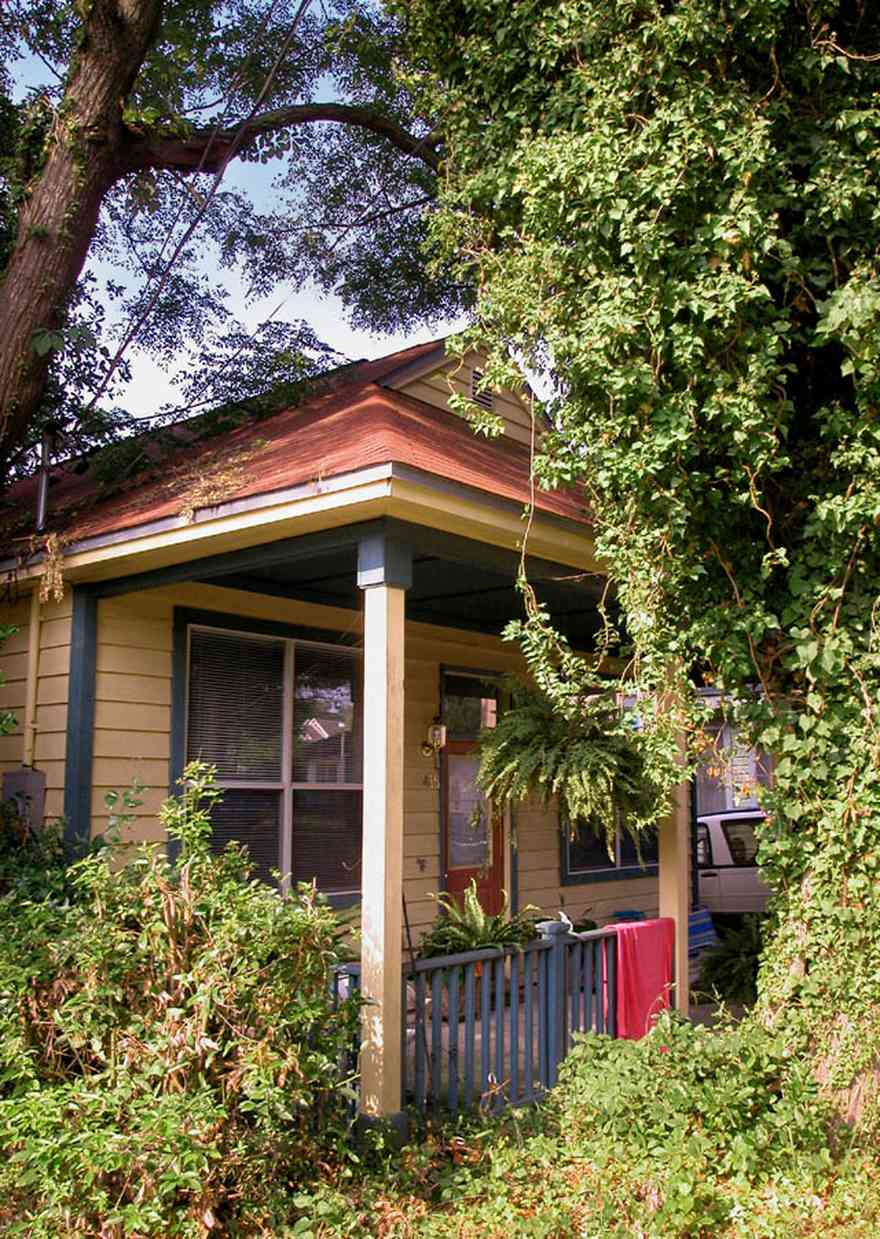
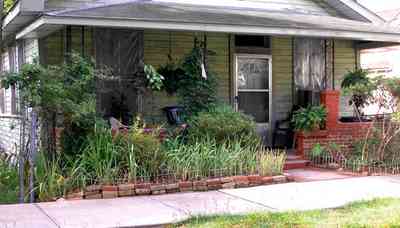
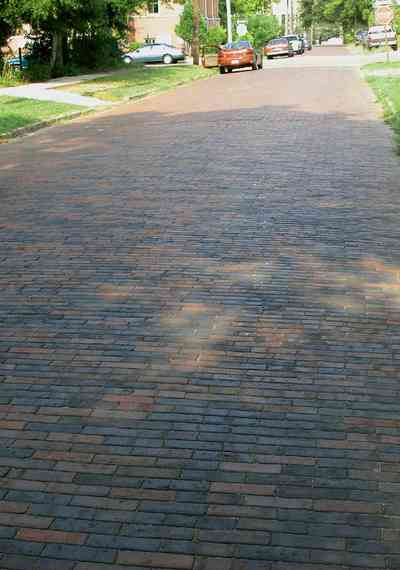
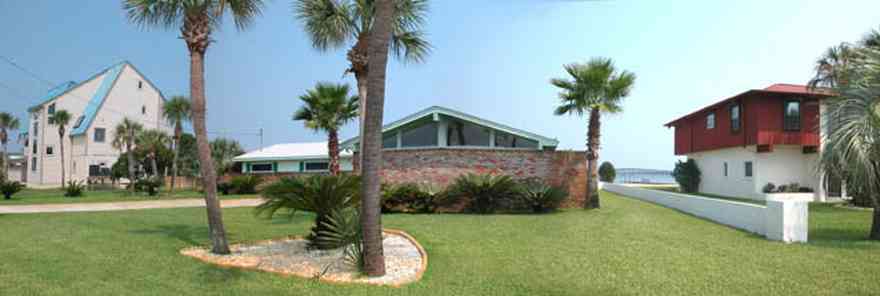
Some of the streets in the Old East Hill neighborhood have an uncovered brick base.
-
-
-
-
-
-
-
-
-
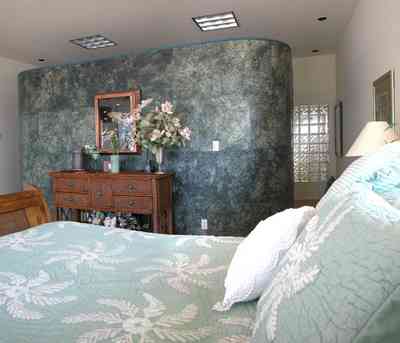
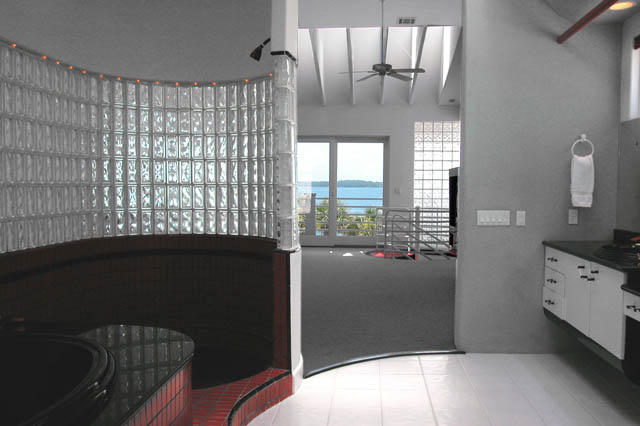
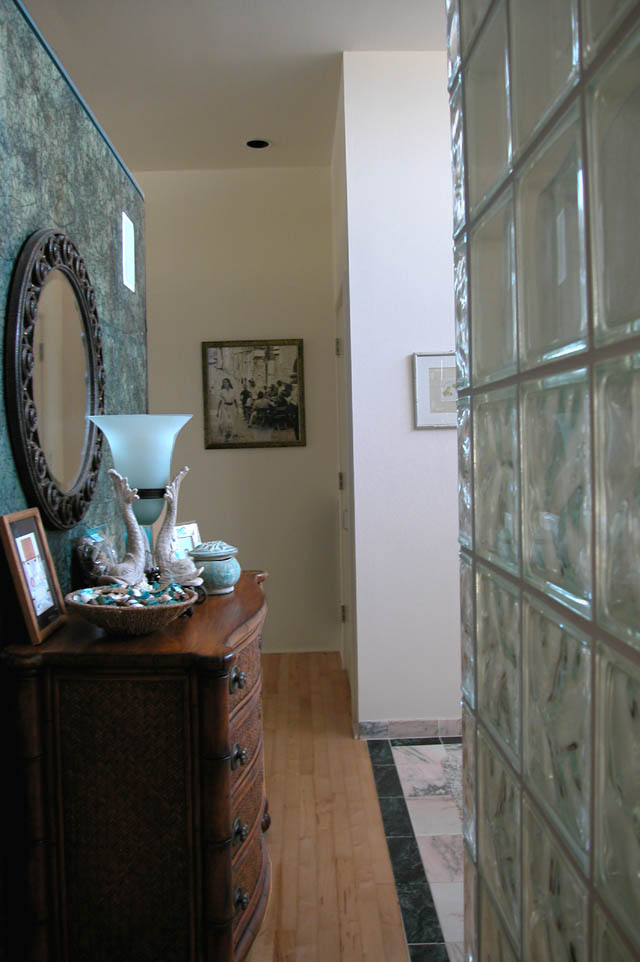
The master bedroom and bath is separated by closets.
-
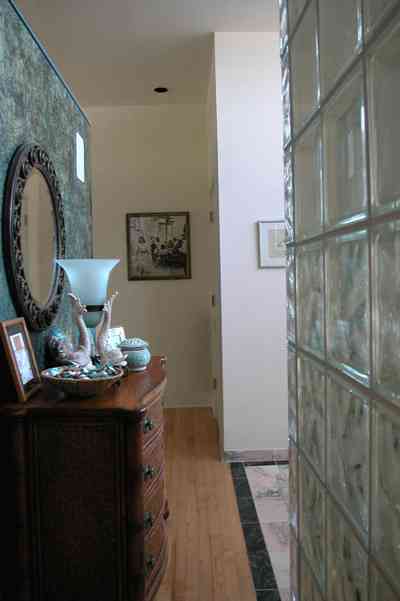
-
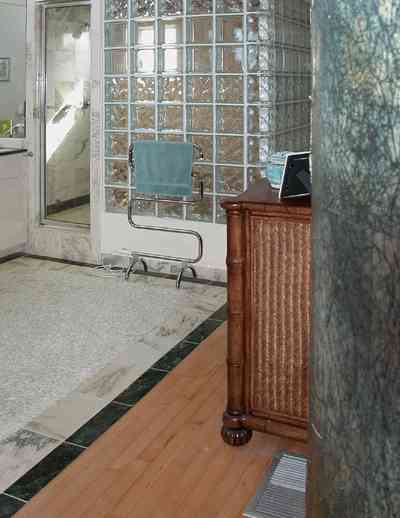
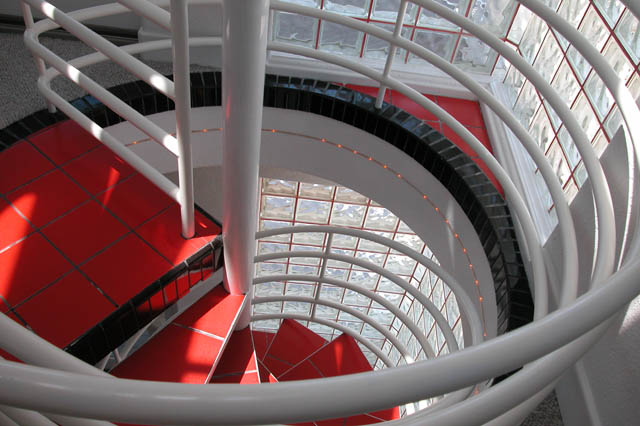
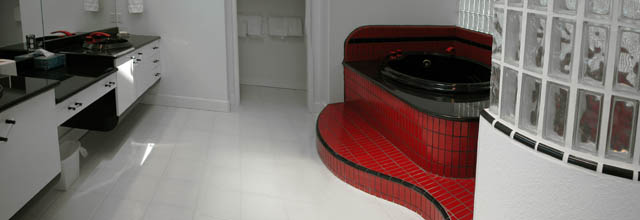
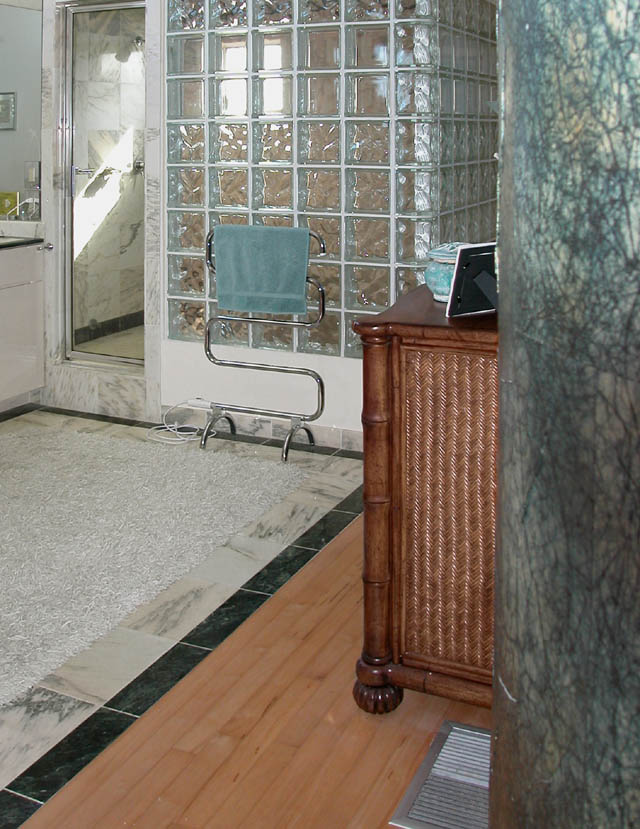
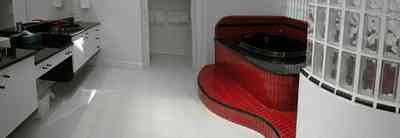
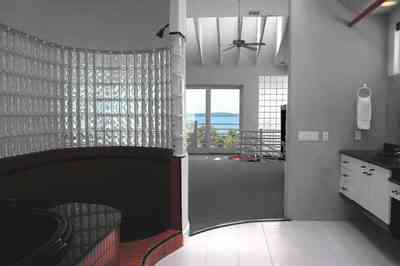
The tub and shower enclosure is faced with marble and glass bricks which functions as a steam room.
-
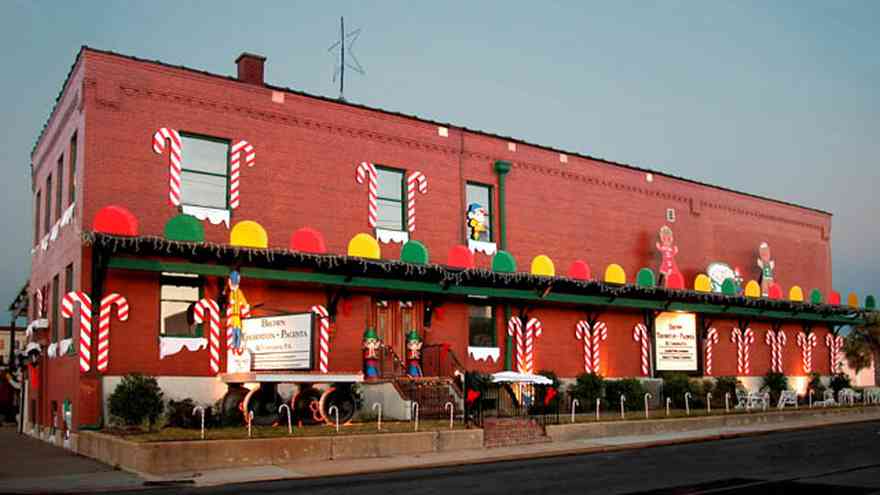
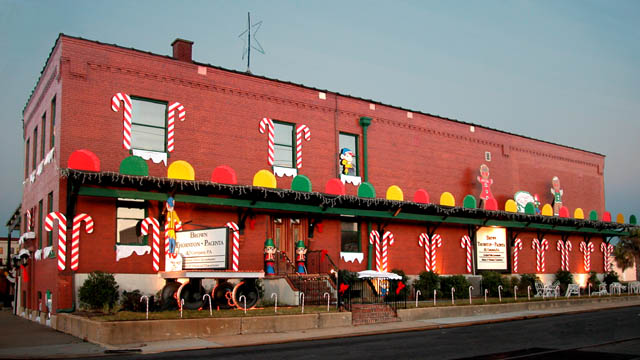
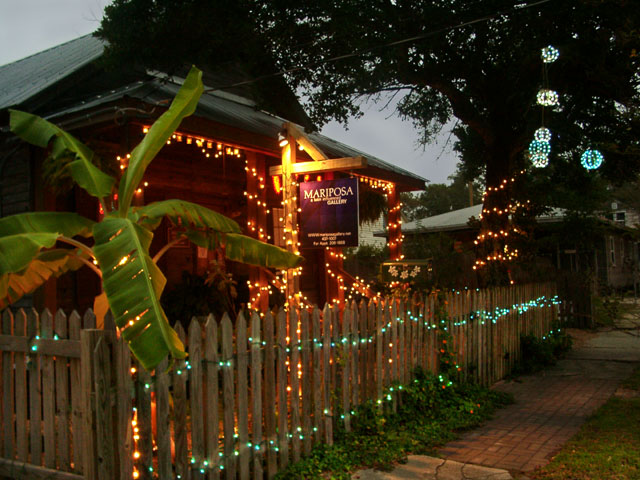
The building is on the northwest corner of Chase and Tarragona Streets. In 2002 the building was elaborately decorated and renamed the "Candy Factory" for the Christmas season. The firm received the grand prize in the Pensacola Historic District Property Owners Christmas Decorating Contest.
-
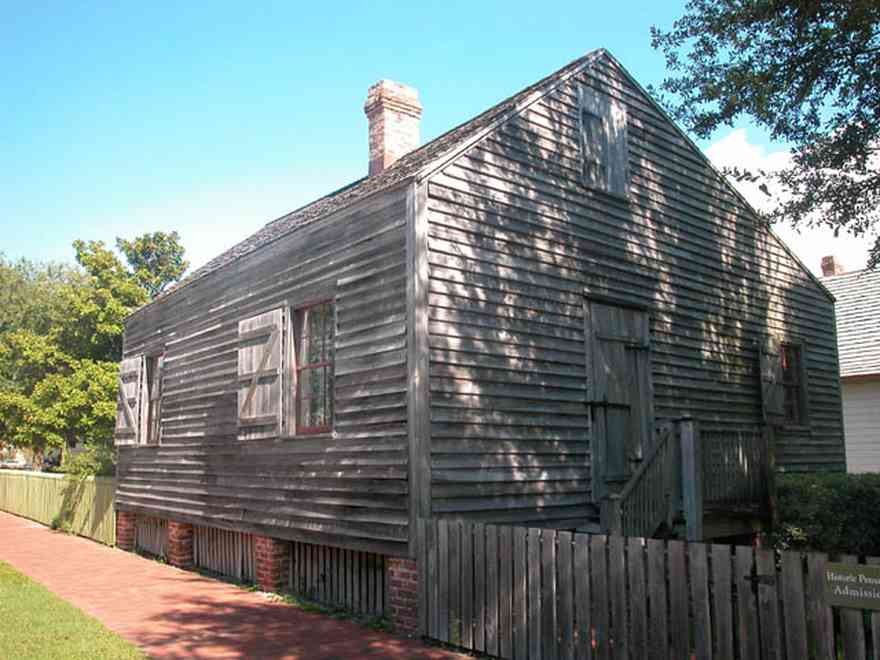
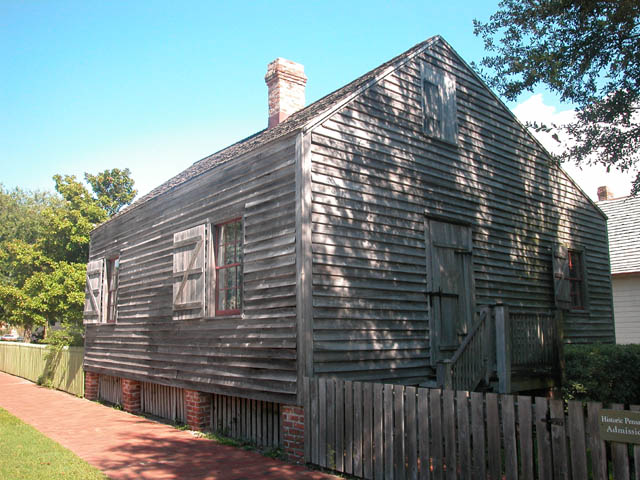
The roof is "salt box" style. The building was constructed with pegged framing.
-
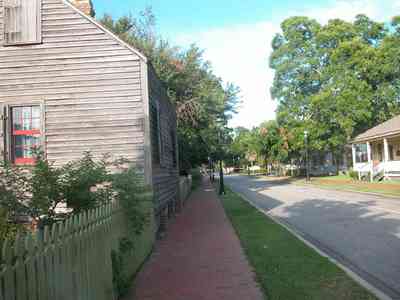
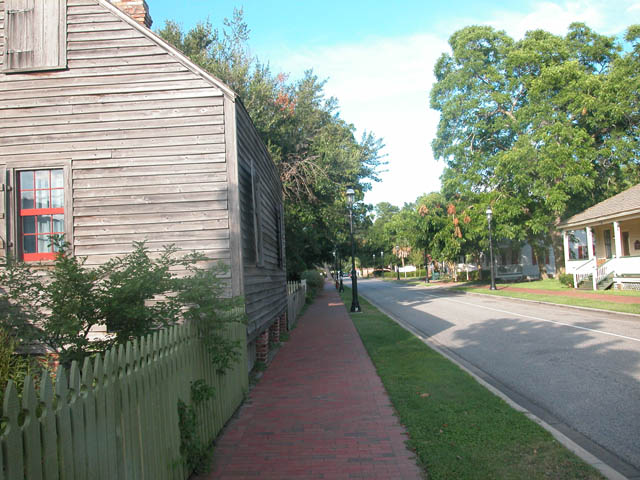
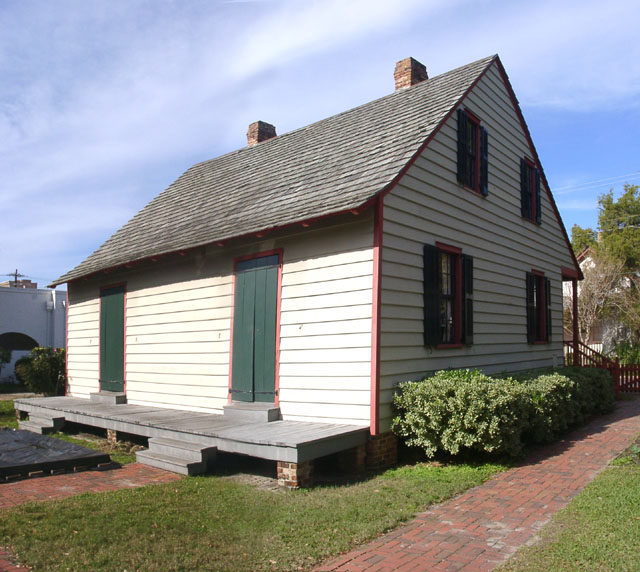
The Julee Cottage is on the north side of Zaragoza Street. The Weavers Cottage can be seen on the right. The cottage rests on brick piers, a typical building feature of early Gulf Coast homes. This slight elevation to the building helps provide air circulation.
-
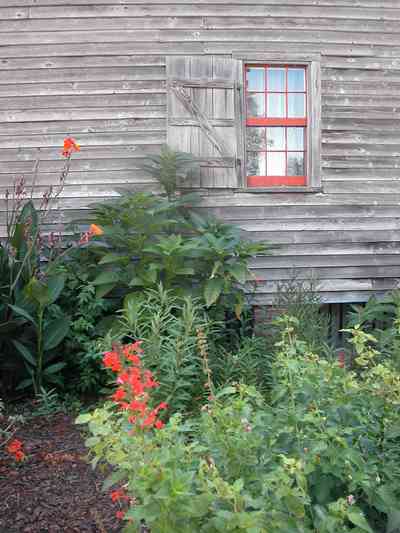
The house is a museum classroom dedicated to Julee Panton.
-
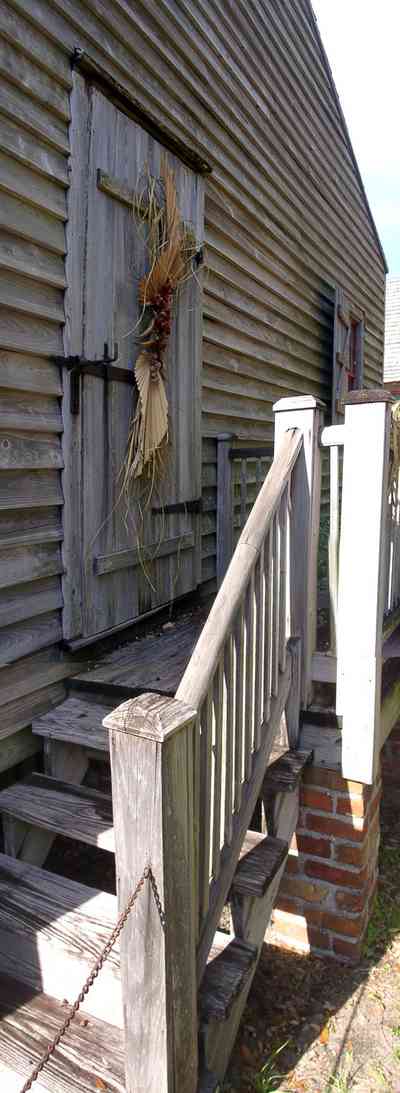
The back of the cottage faces the LaValle House.
-
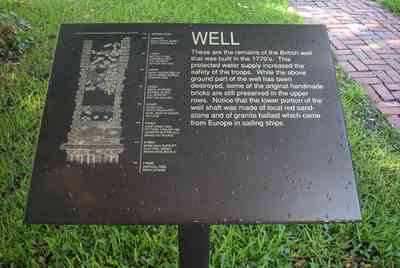
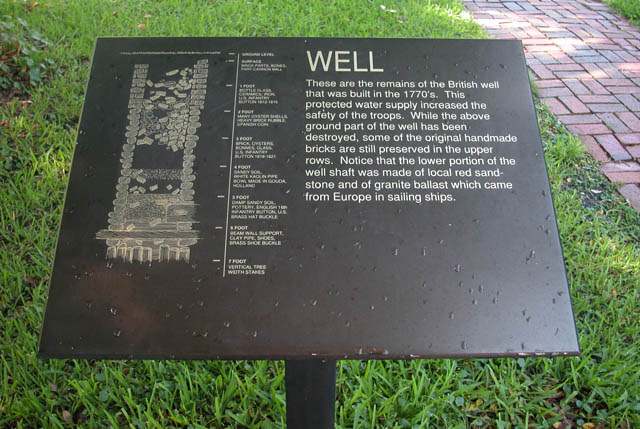
The text of the historical marker reads as follows: These are the remains of the British well that was built in the 1770’s. This protected water supply increased the safety of the troops. While the above ground part of the well has been destroyed, some of the original handmade bricks are still preserved in the upper rows. Notice that the lower portion of the well shaft was made of local red sandstone and of grantite ballast which came from Europe in sailing ships.
-
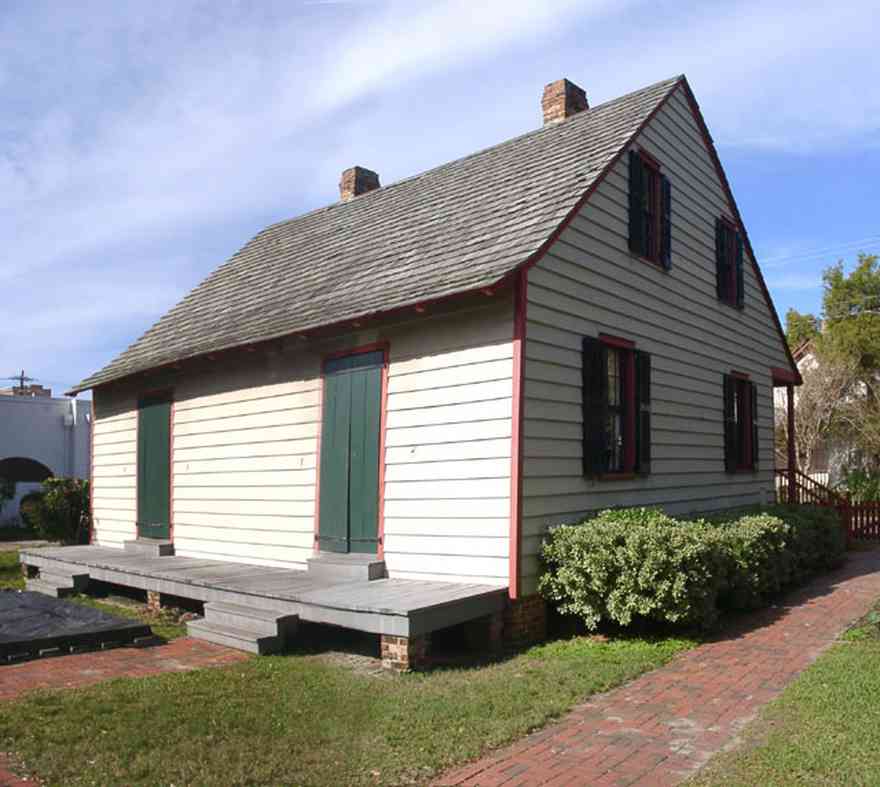
The LaValle House is located in the Pensacola Historic Village. The facade faces Church Street. It is separated from the Julee Cottage by a small green space.
-
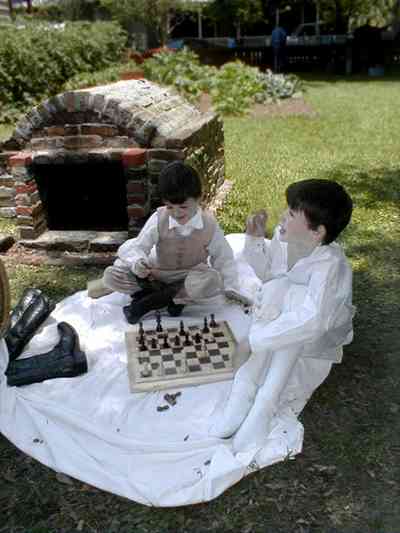
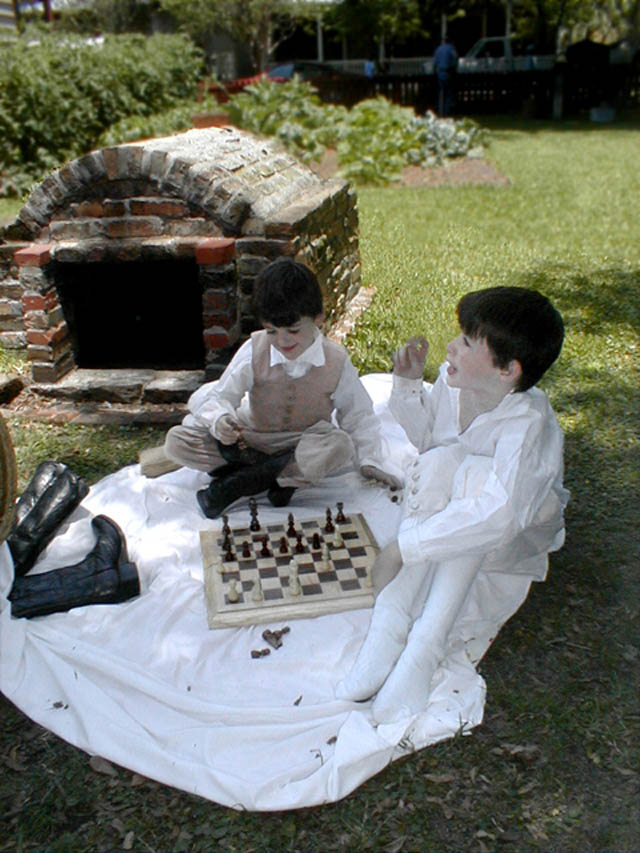
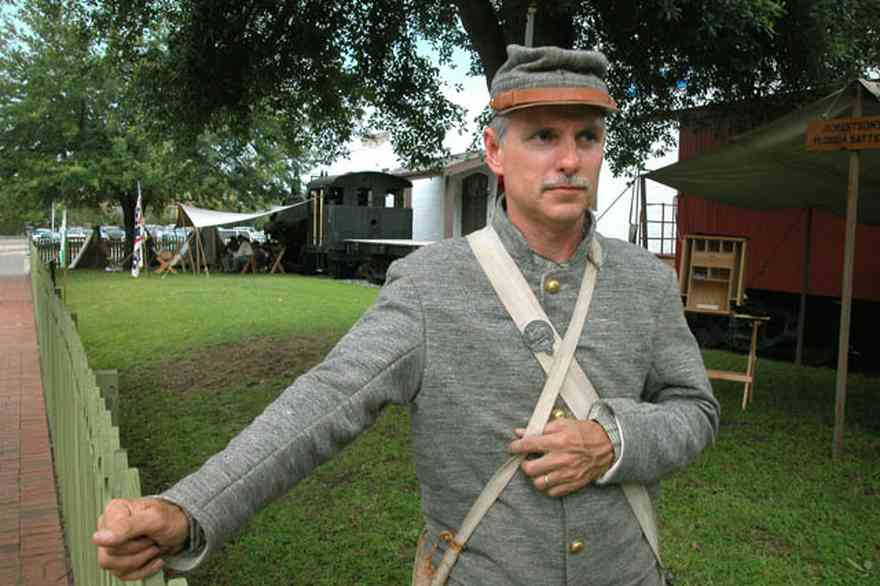
Two boys play chess as living history re-enactors during the summer open house at Historic Pensacola Village.
-
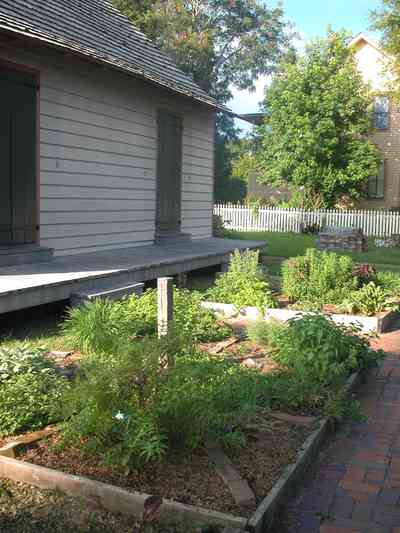
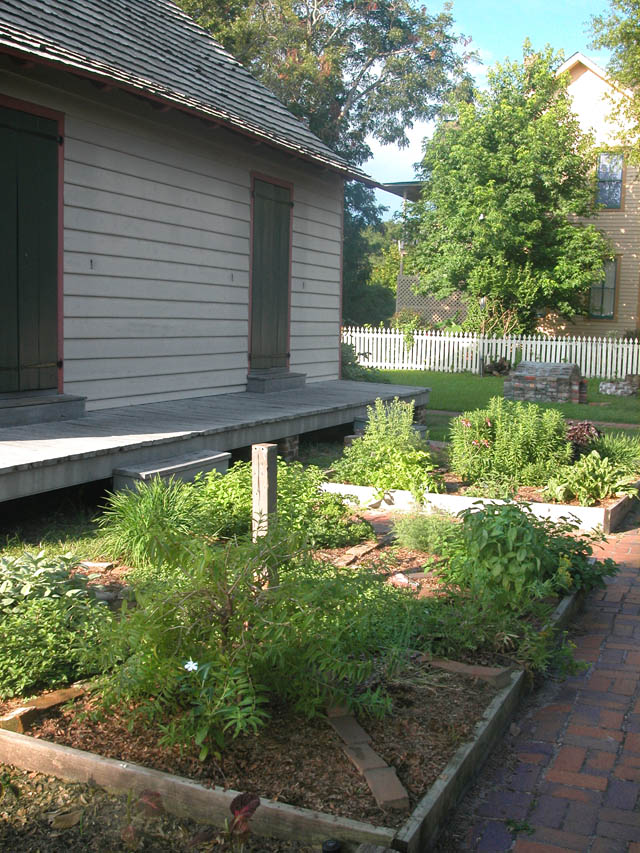
The kitchen garden between the LaValle House and the Julee Cottage has a variety of herbs and aromatic plants intersperced with flowering annuals.
-
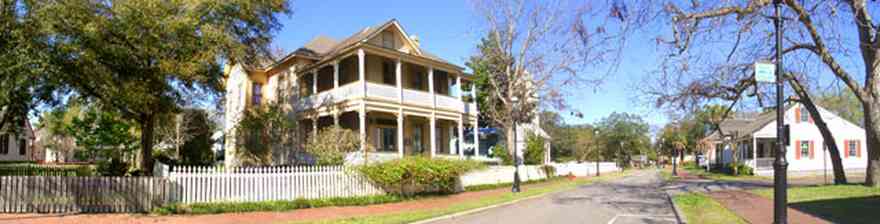
The Lear House was built in 1888. It is located on the north side of Zaragoza Street in the Pensacola Historic Village which is a complex of museums and historic houses in downtown Pensacola. For further information refer to the website at www.historic penscola.org The program is administrated by the State of Florida.
-
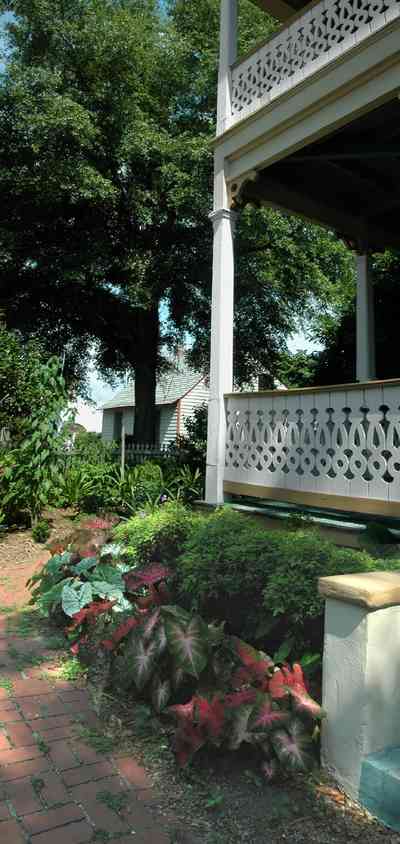
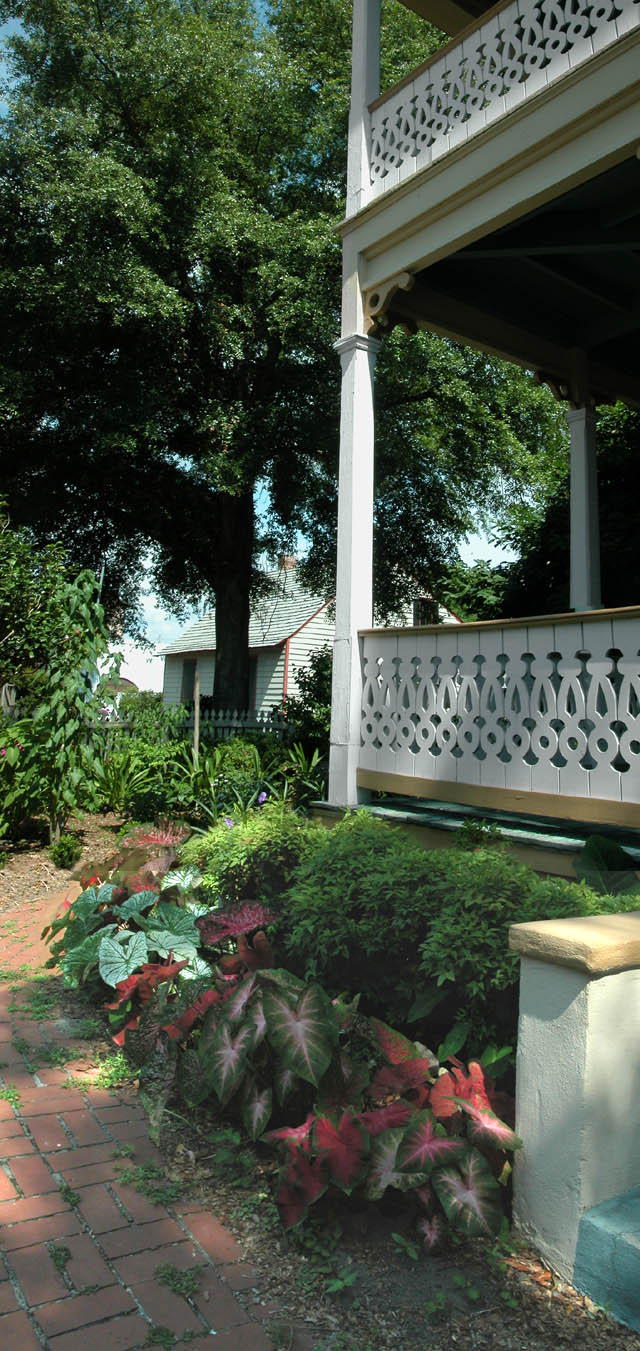
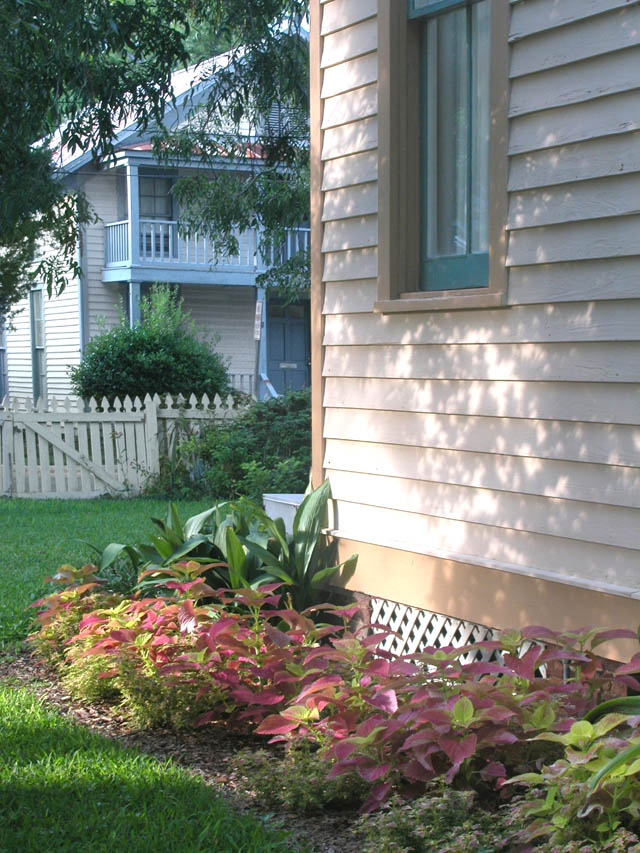
The gardens around the house are tended by the Escambia County Master Gardeners. A bed of caladiums wrap around the west side of the house.
-
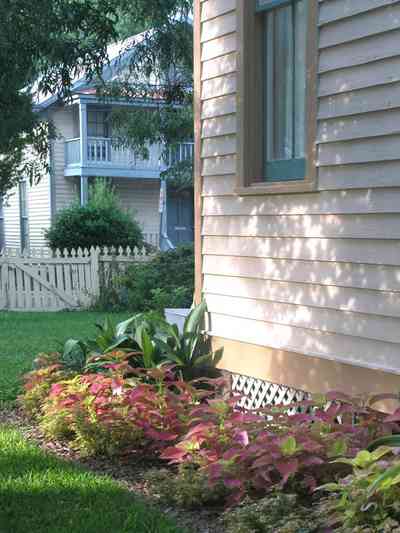
The old Episcopal Parish schoolhouse on Church Street can be seen from the northwest corner of the house.
-
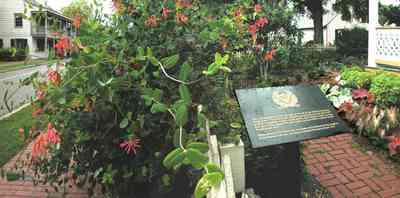
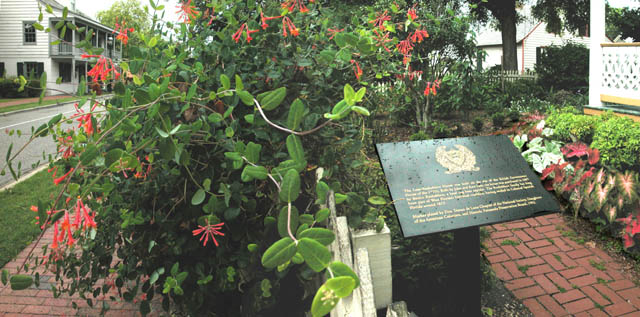
The Marker was placed by Don Tristan de Luna Chapter of the National Society, Daughters of the American Colonists, and Historic Pensacola Preservation Board, 1992. The text of the marker reads as follows: The Lear-Rocheblave House was built on the site of the British Government House of the 1770’s. Built by John and Kate Lear, the house was purchased in 1897 by Benito Rocheblave, a local tug boat captain. The Rocheblave family has long been part of West Florida’s historical tradition, having settled in Colonial Spanish Florida around 1817.
-
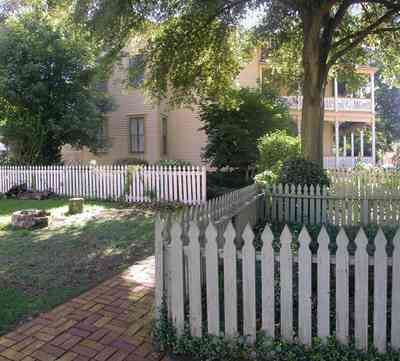
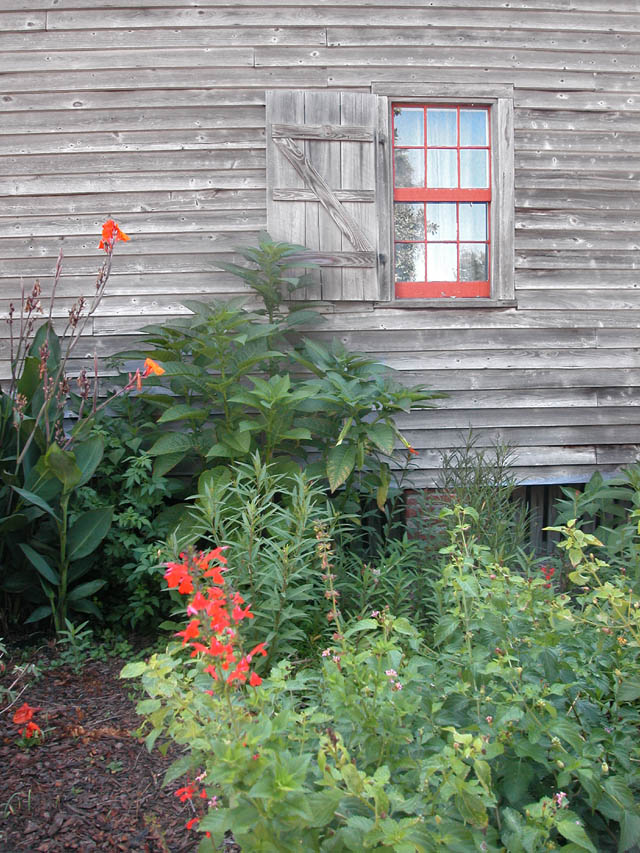
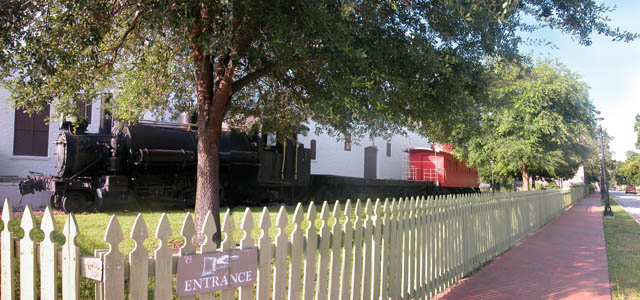
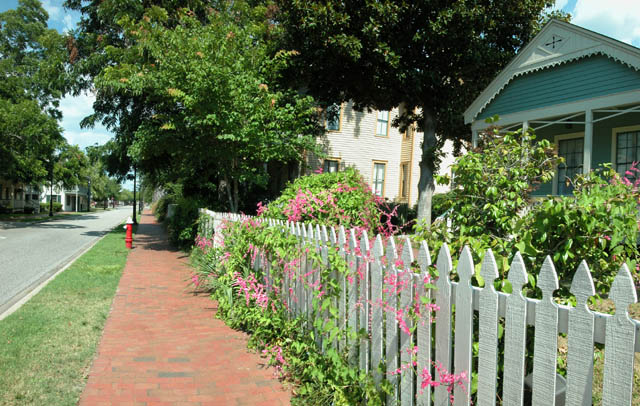
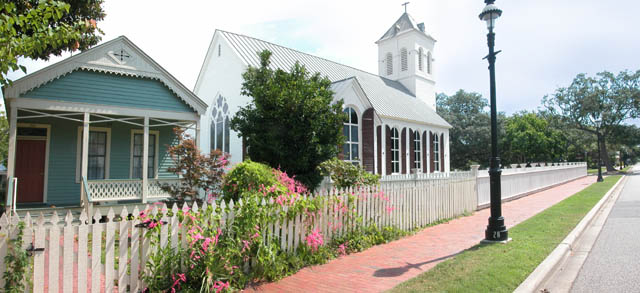
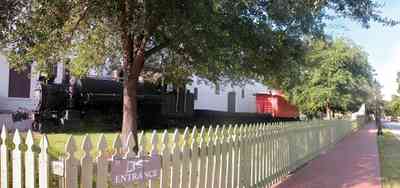
A picket fence marks the boundary between the Lear-Rocheblave House and the Julee Cottage. The picket fence in the foreground surrounds the old well.
-
-
-
-
-
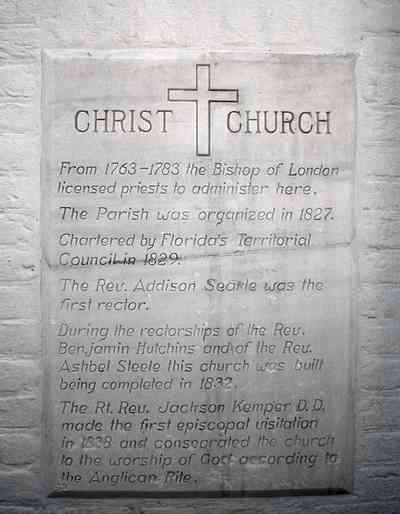
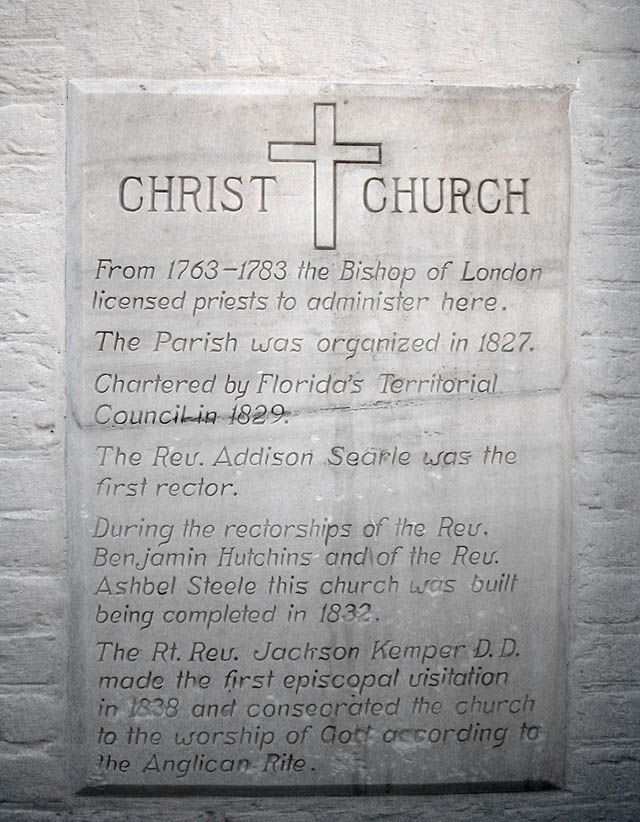
The plaque is located on the front of the church on the right side of the door.
-
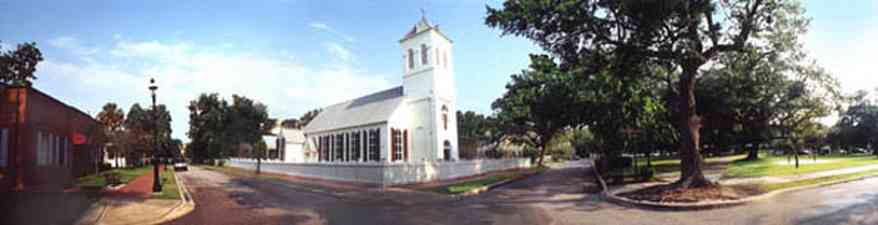
The plaque is located on the front of the church on the right side of the door.
-
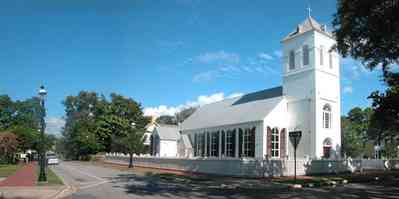
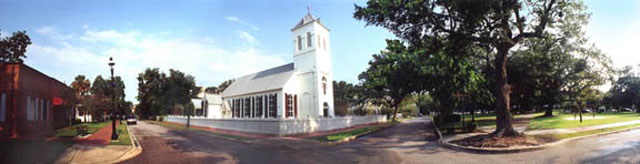
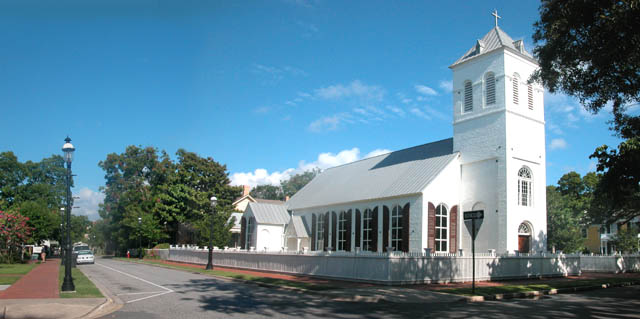
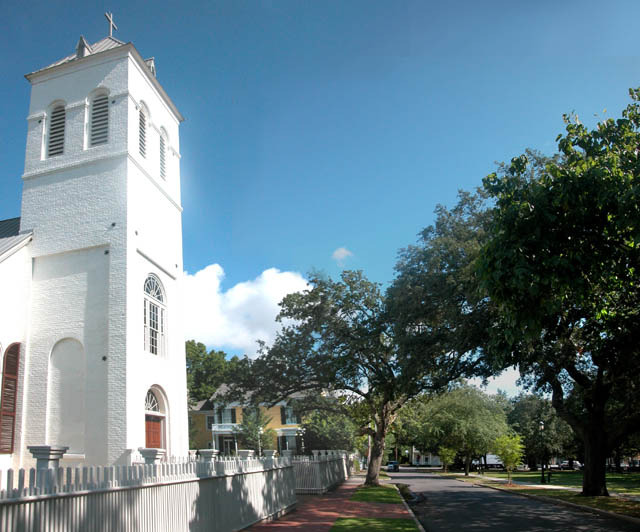
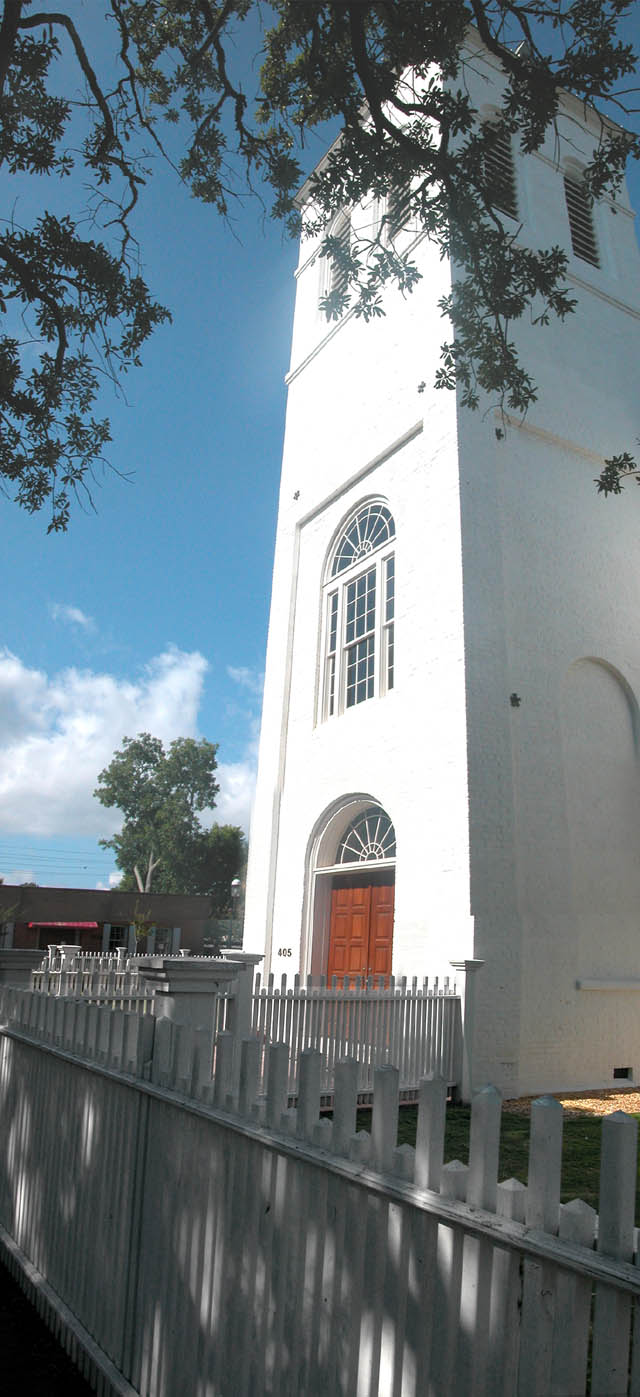
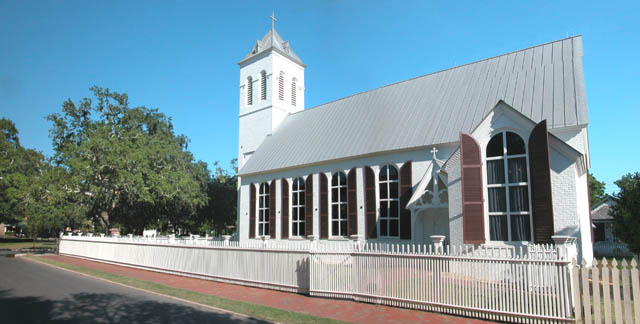
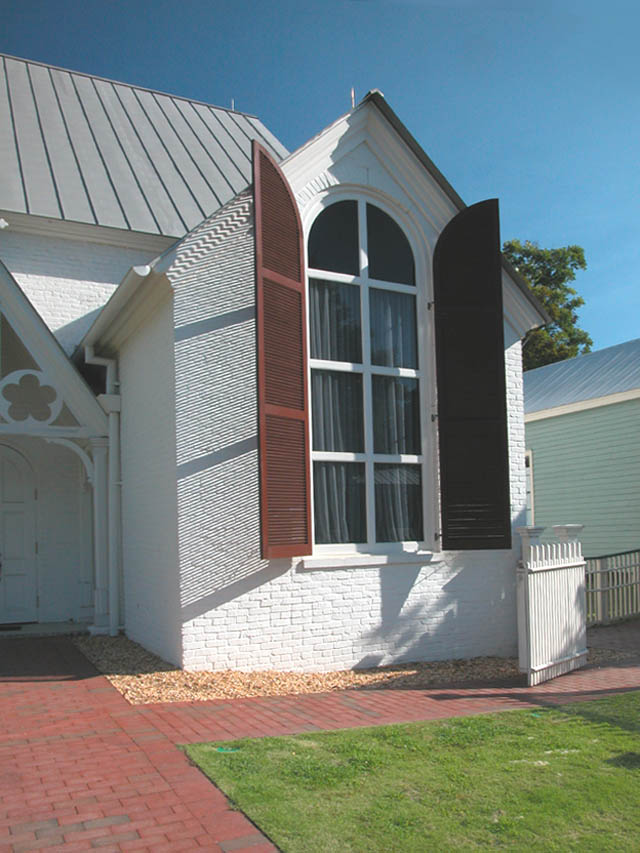
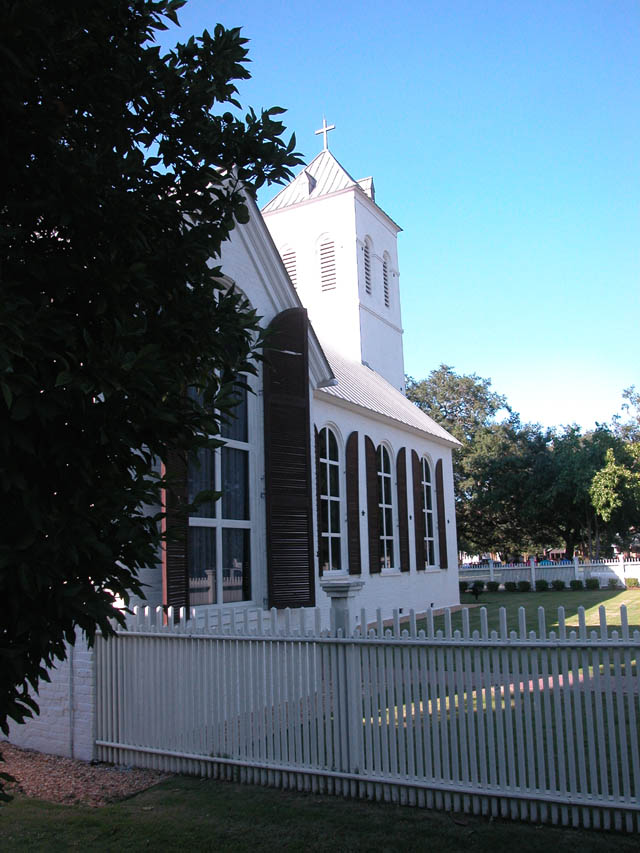
The church does not have a clear style since it has evolved over time. It has been described as Gothic. In 1832, the church was built for $4,500.00. In the late 1990’s the Historic Pnesacola Preservation Board spend $800,000.00 to rehabilitate the church.
-
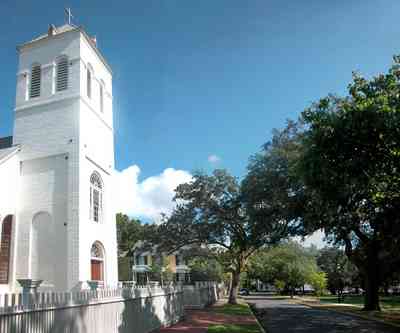
Originally the building was slicked with a white-colored lime wash to support the weak bake-fired bricks with which it was constructed.
-
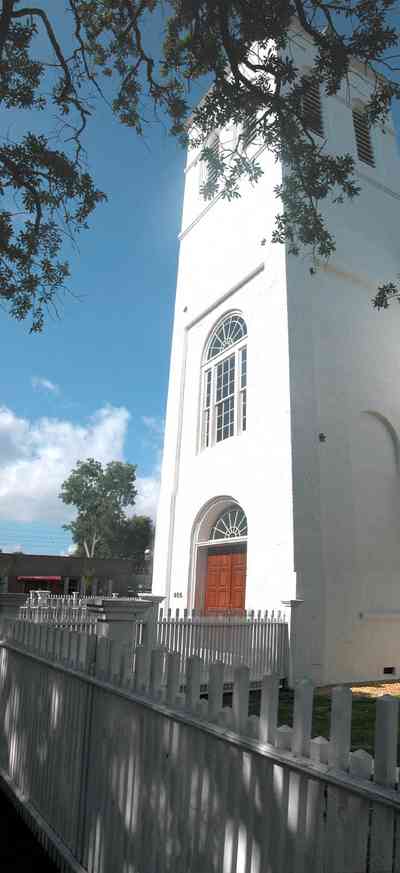
For a brief while during the Civil War, the entire congregation of Old Christ Church along with all but about 80 of Pensacola’s population, fled to Alabama. During their absence, Union troops occupied the church and used it as a hospital and barracks.
-
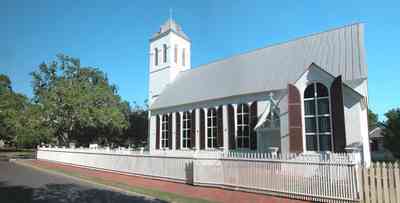
This is a north view from the vantage point of Church Street.
-
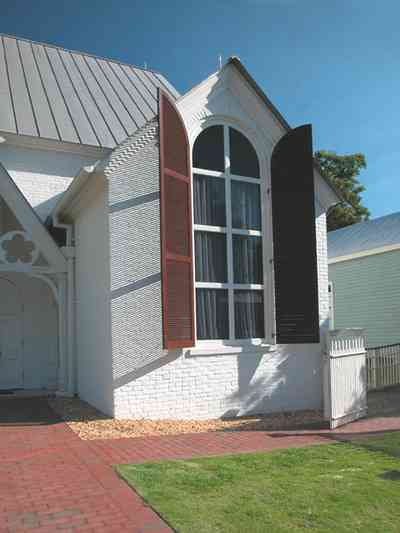
Today the building is at the center of Historic Pensacola Village to be used for concerts, recitals, lectures, adn weddings as well as a community town hall.
-
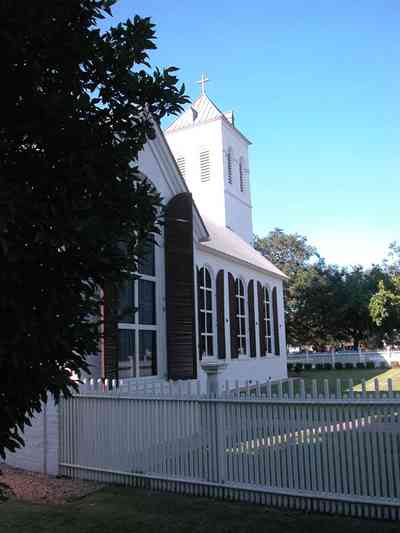
The south side of the church is on Zaragoza Street.
-
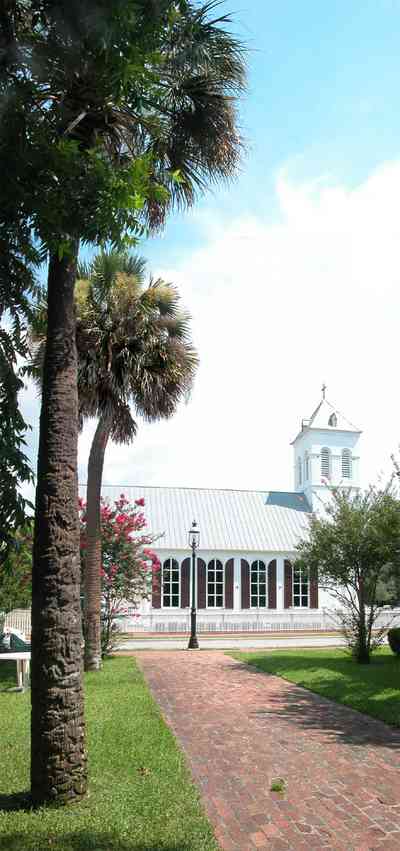
The Christ Church Episcopal parishioners moved into a new church on north Palafox in 1903. The Episcopal Bishop of Florida deconsecrated the building 1935. The building served as the first public library until 1959. Between 1959 and 1995, Pensacola Historical Museum based itself in the bulding, but by 1995 the church had again fallen into disrepair. In 1995, the city voted to return the deed to Old Christ Church vestry who in turn leased it to Historic Pensacola to make it eligible for state grants to fund the necessary repairs.
-
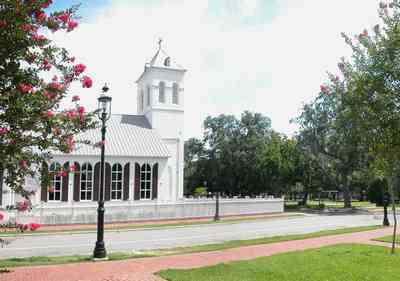
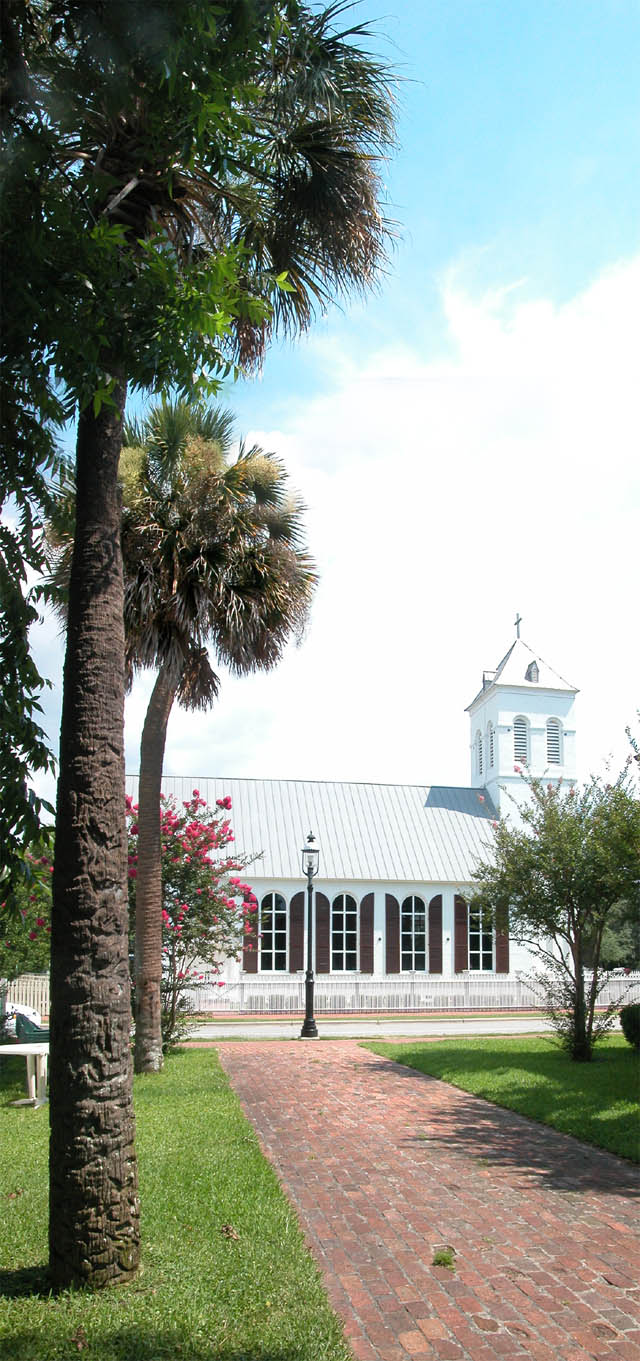
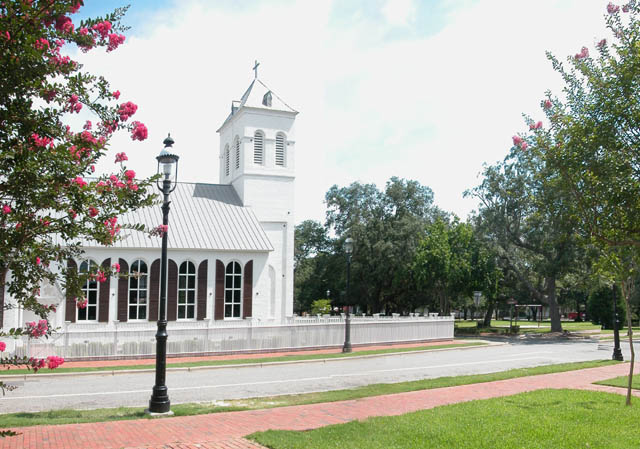
Old Christ Church is situated on the corner of Adams and Zaragoza Street across from Seville Square, as can be seen in the photograph.
-
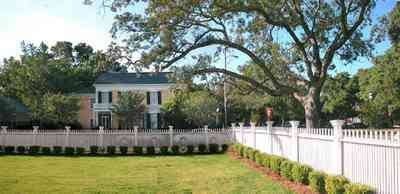
The Dorr House can be seen across the front lawn.
-
-
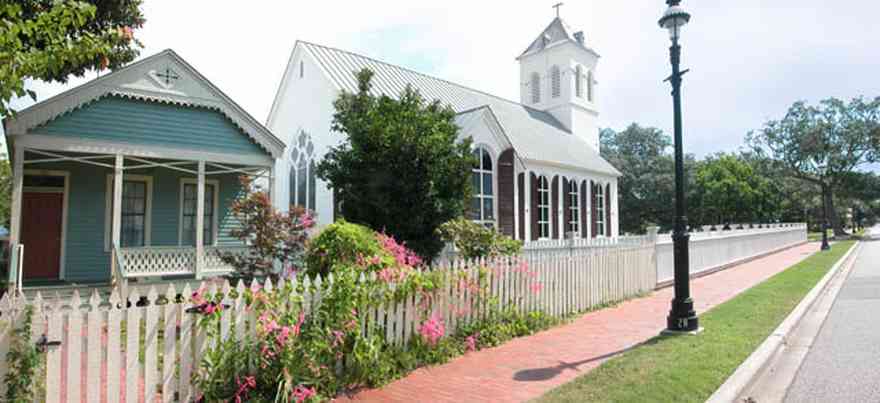
-
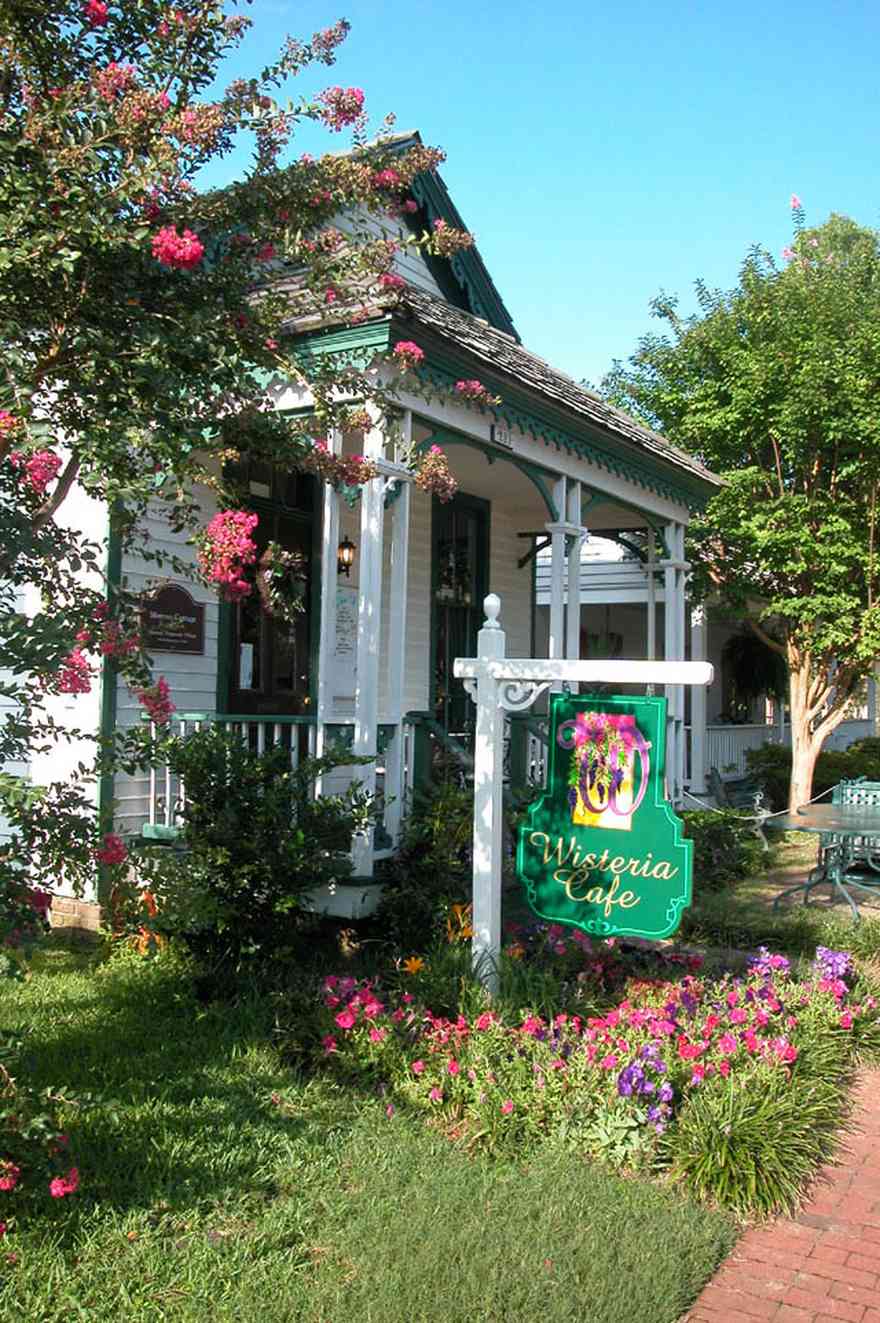
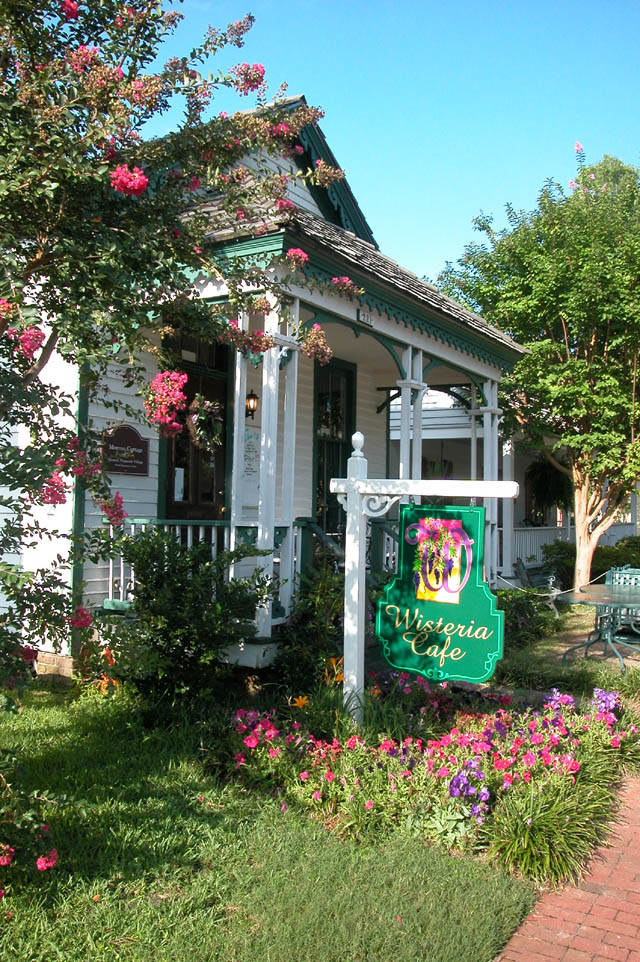
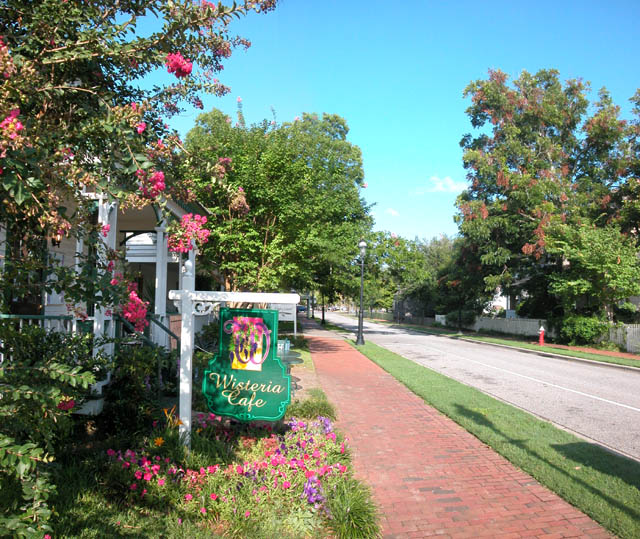
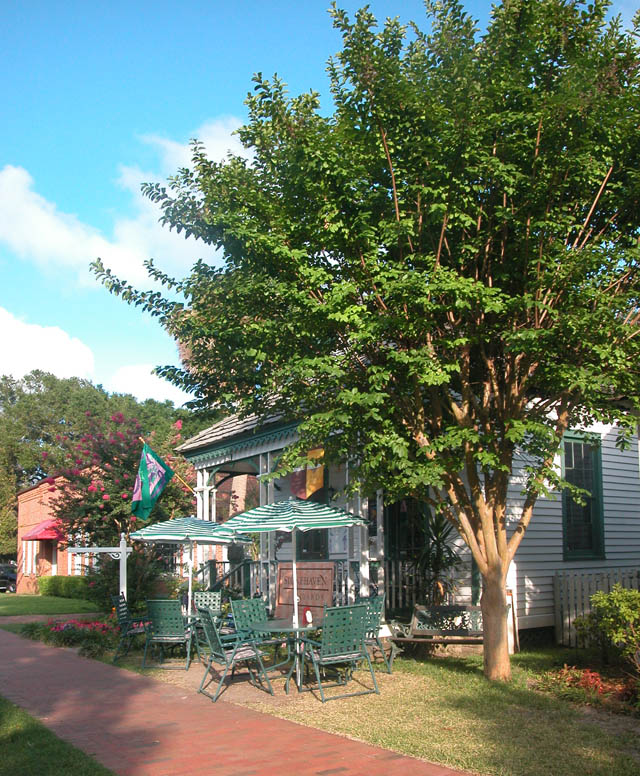
The cottage is located on the southside of Zaragoza Street. The Wisteria Cafe is the current lease holder. The property is part of the Historic Pensacola Village.
-
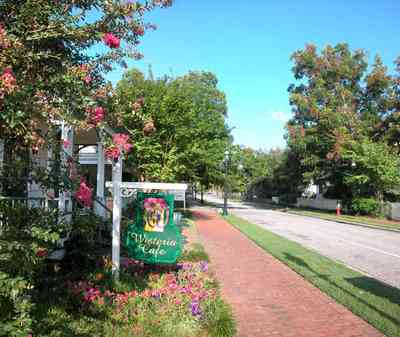
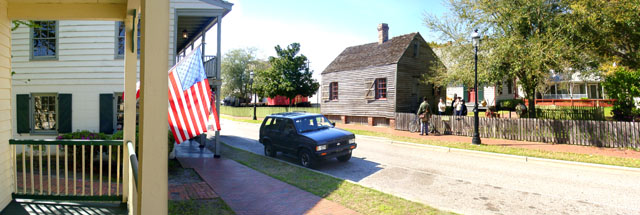
All of the buildings on this block of Zaragoza Street are part of the West Florida Preservation Board's historic village.
-
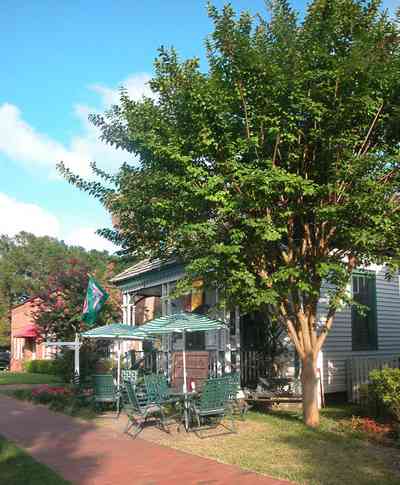
The Wisteria Cafe is the current leaseholder of the cottage.
-
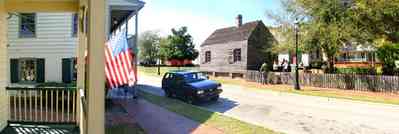
The viewer faces west from the vantage point of the porch. The Julee cottage is center frame and the side garden of the Lear House is on the right.
-
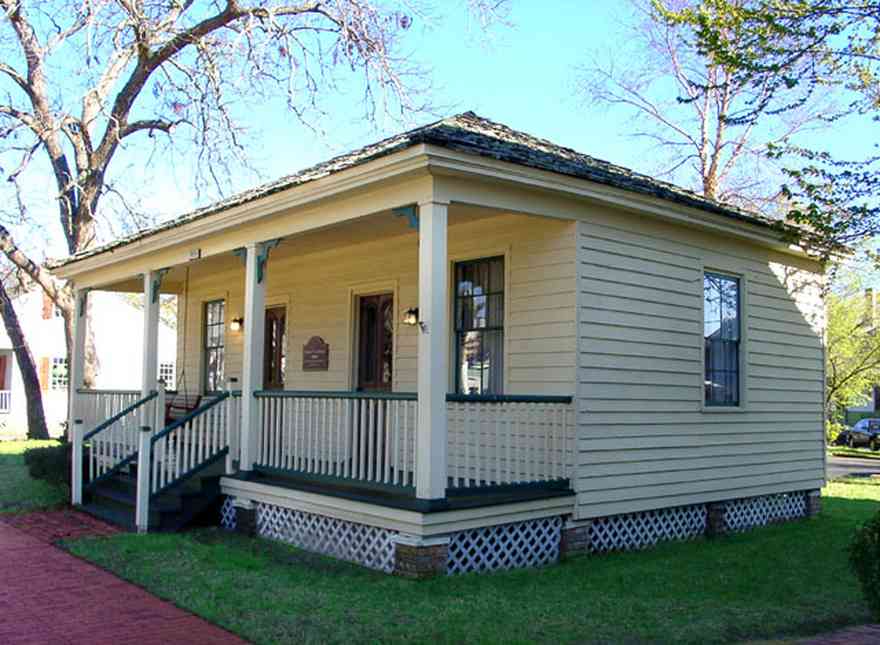
The cottage dates from 1880. It is used as a Historic Village museum displaying tools and implements of the weaver's trade.
-
-
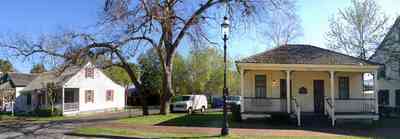
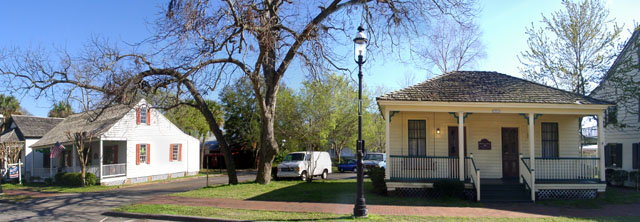
The streetscape shows the Weaver's Cottage Museum flanked to the right by the side of the Tivoli High House and to the left by the Seville Mechantile Store. The buildings are located on the south side of Zaragoza Street and are directly across from the Lear House.
-
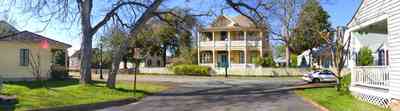
The streetscape shows the Weaver's Cottage Museum flanked to the right by the side of the Tivoli High House and to the left by the Seville Mechantile Store. The buildings are located on the south side of Zaragoza Street and are directly across from the Lear House.
-
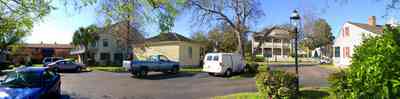
The streetscape shows the Weaver's Cottage Museum flanked to the right by the side of the Tivoli High House and to the left by the Seville Mechantile Store. The buildings are located on the south side of Zaragoza Street and are directly across from the Lear House.
-
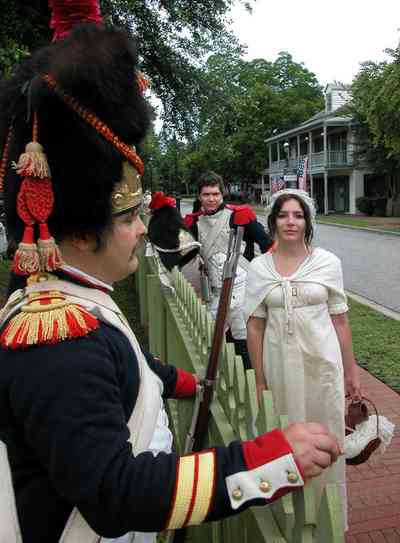
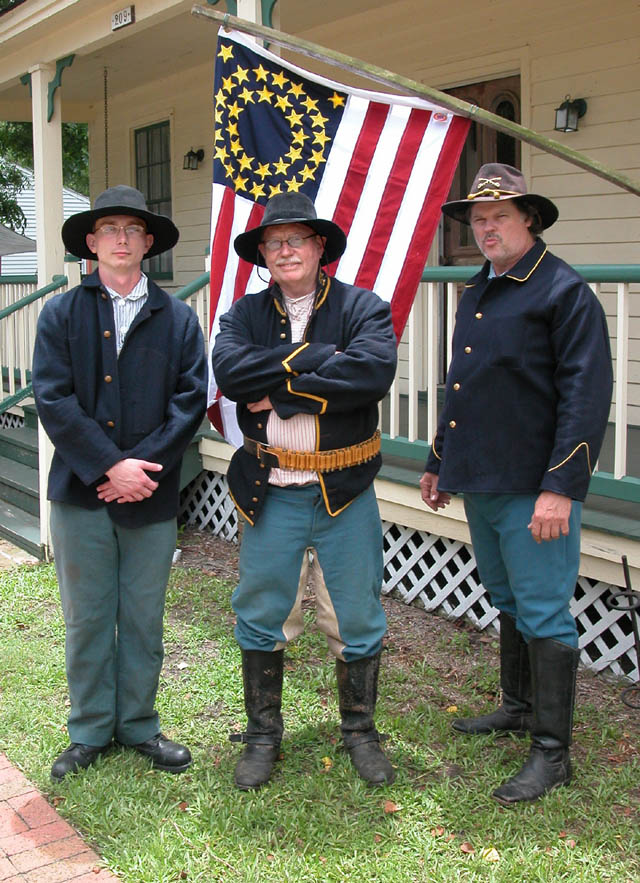
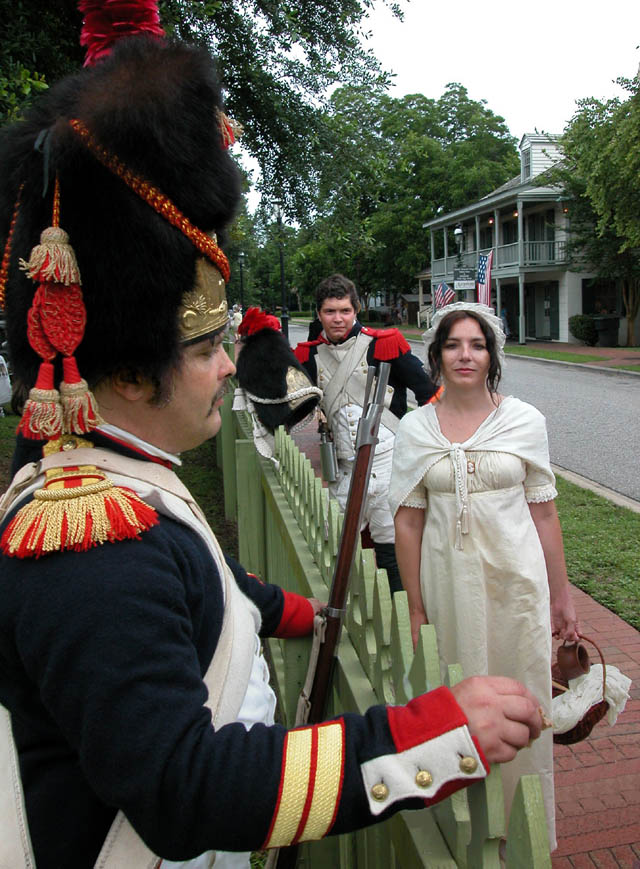
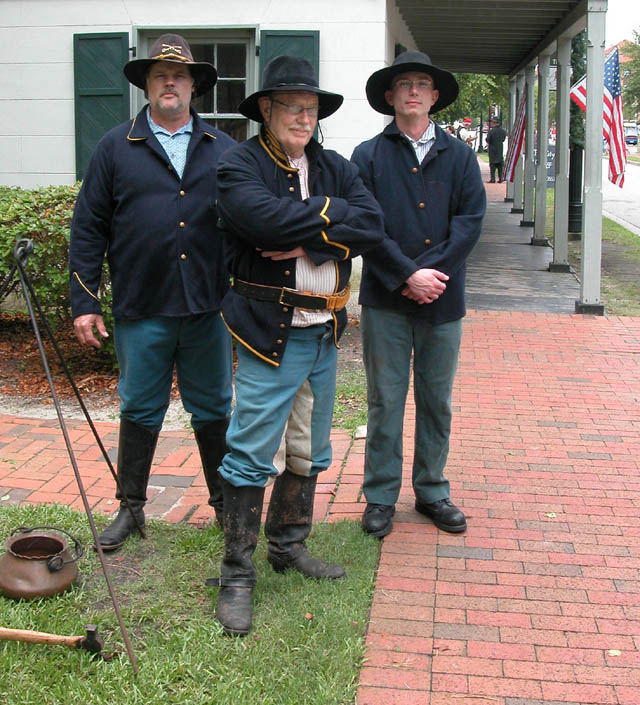
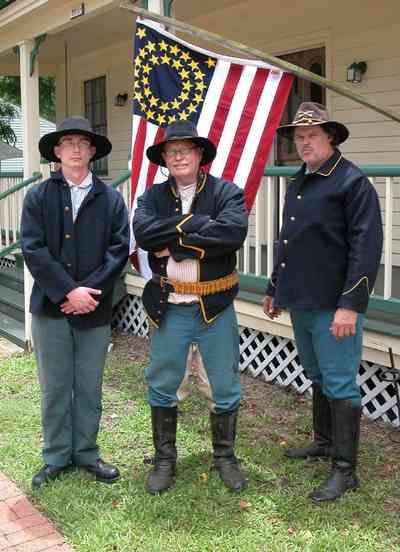
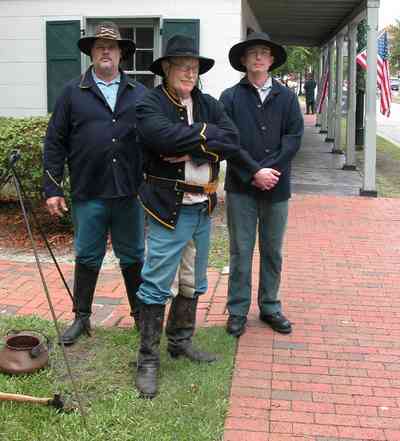
Nora Nicosia, Joseph Everett and Tres Stoltz depict a French battalion in the early 1800's. The group are members of le Bataillon D'Orleans. The re-enactment is part of the yearly open house in the historic village.
-
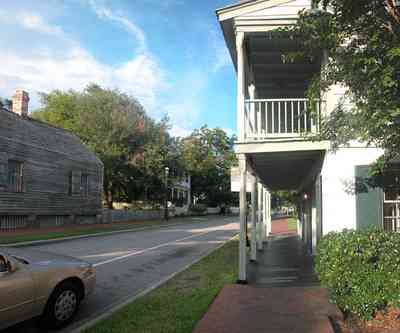
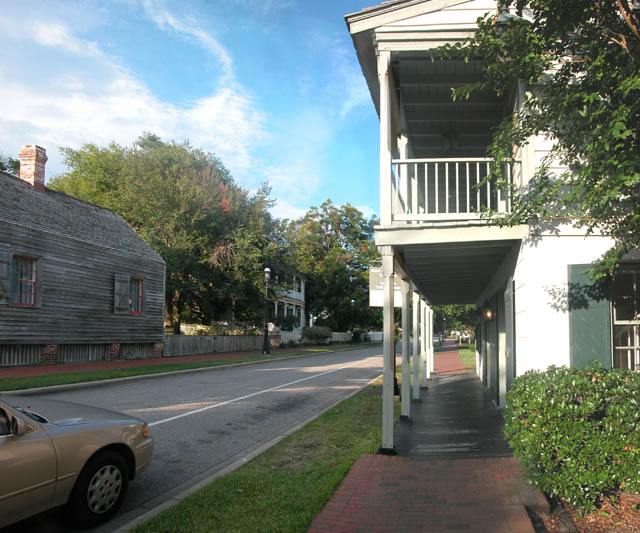
The second floor porch of the Tivoli House forms an arcade over the sidewalk on Zaragoza Street.
-
-
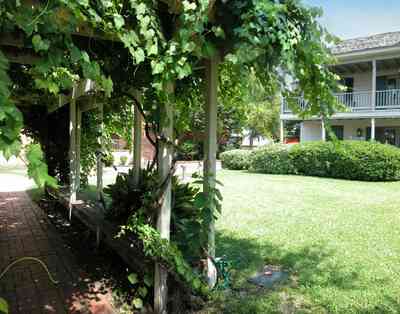
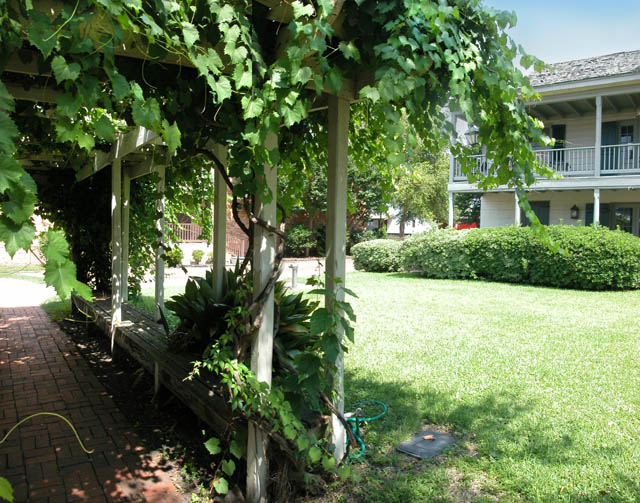
The arbor offers sheltered seating during the hottest time of day.
-
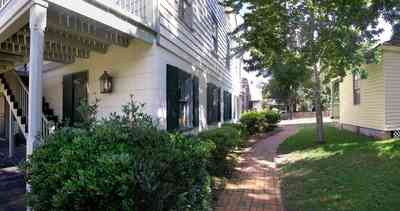
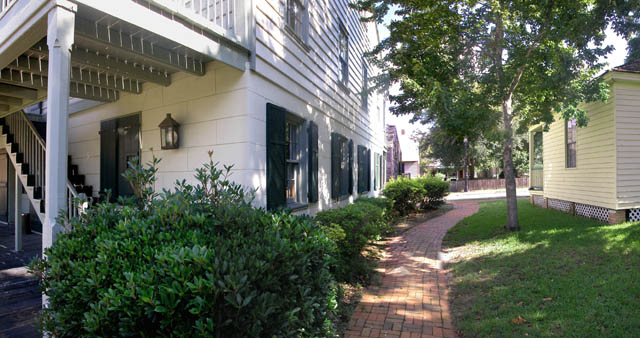
A walkway between the Tivoli House on the left and the Weavers Cottage on the right leads to Zaragoza Street.
-
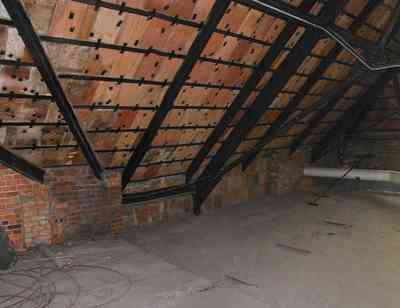
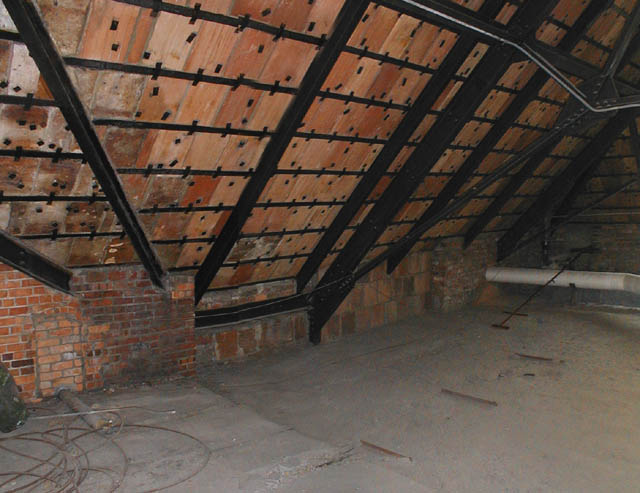
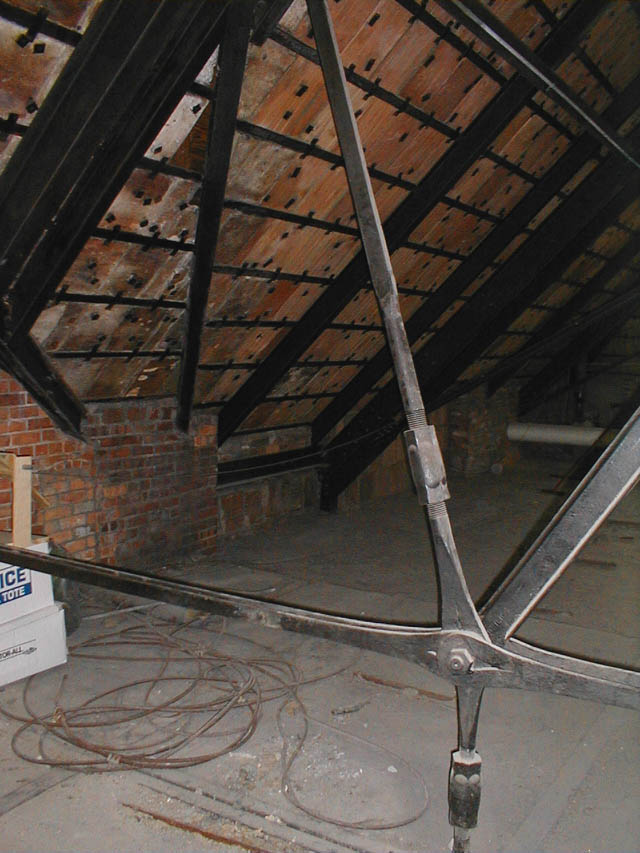
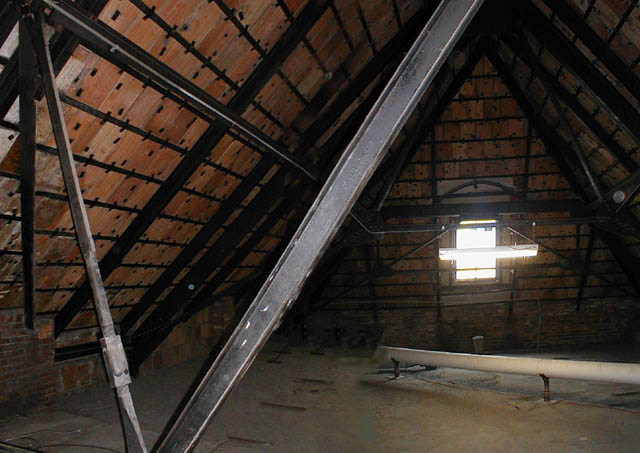
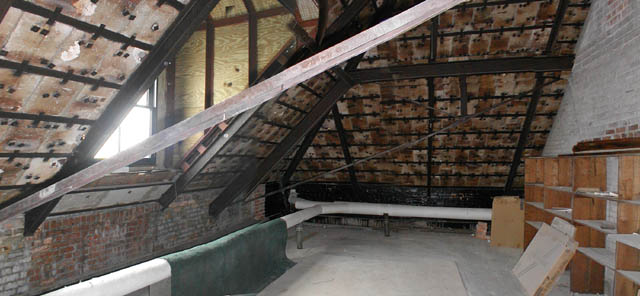
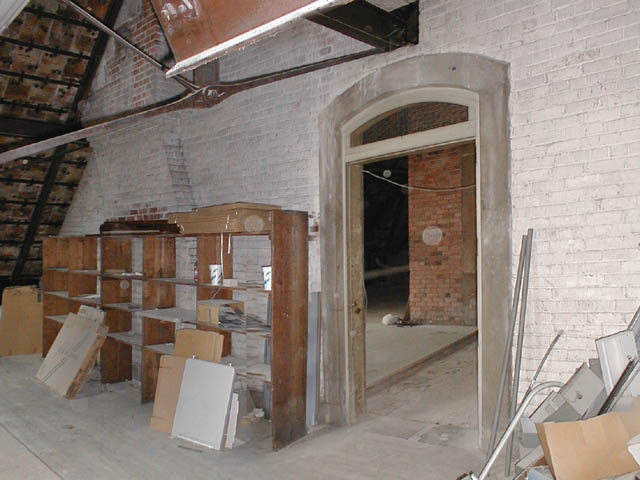
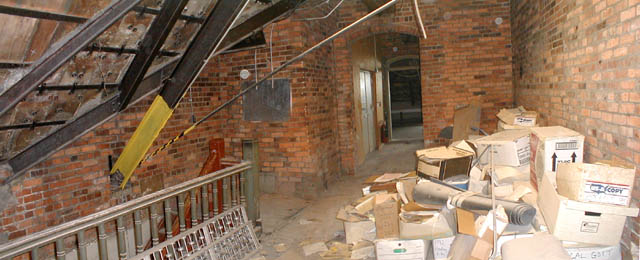
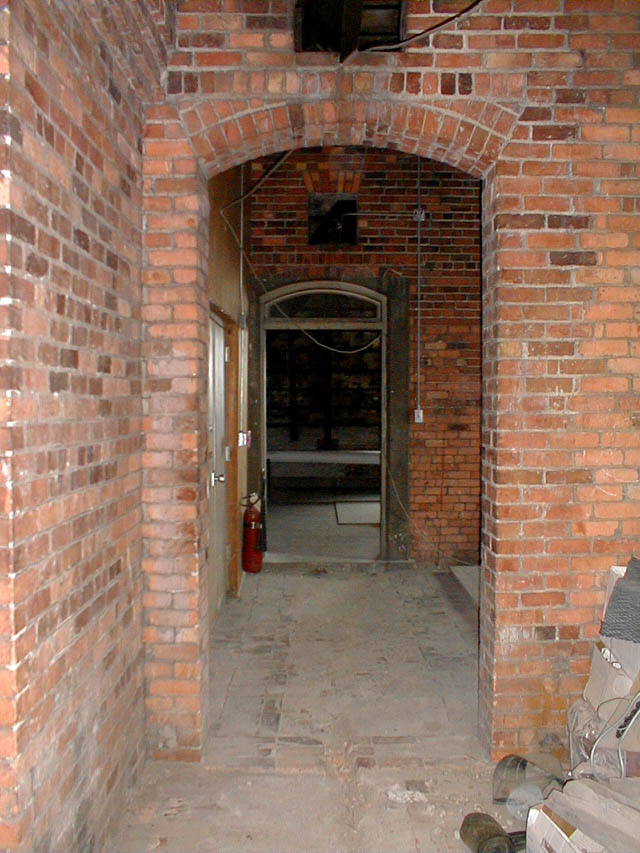
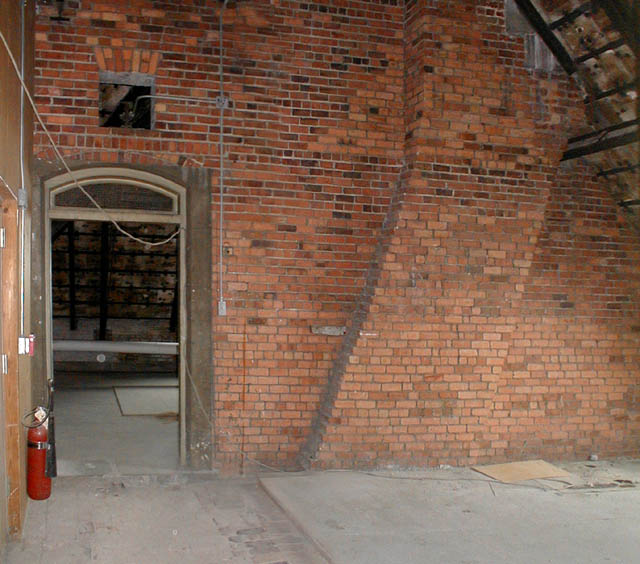
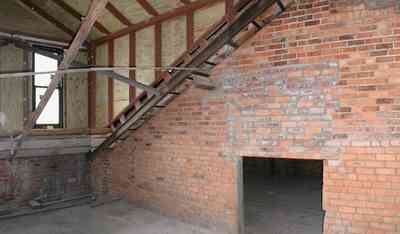
The attic space of the county courthouse houses limited storage and the temperature control systems.
-
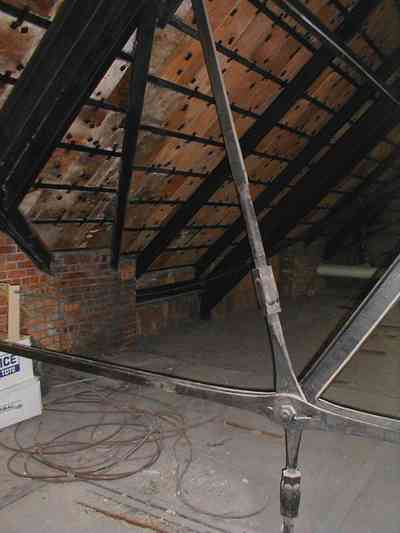
The metal tension brace in the foreground allows for building sway caused by high winds in hurricane conditions.
-
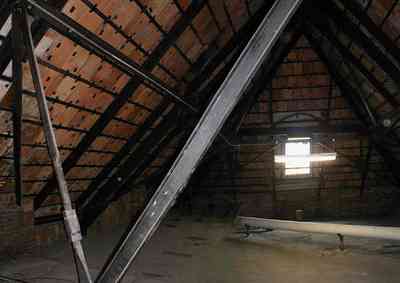
The roof materials are tiles, pinned along metal courses.
-
-
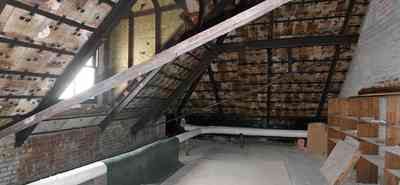
This room faces Palafox Street.
-
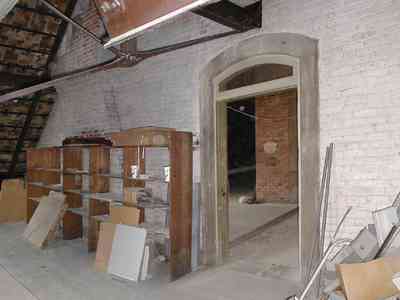
The floor in this room is made of wooden tongue and grove lumber.
-
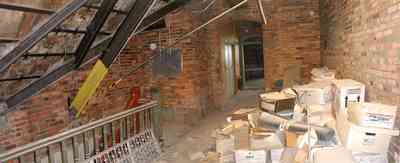
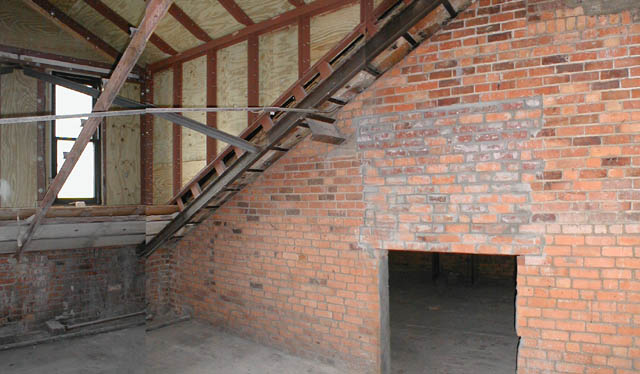
The staircase on the left of the frame leads to the fourth floor.
-
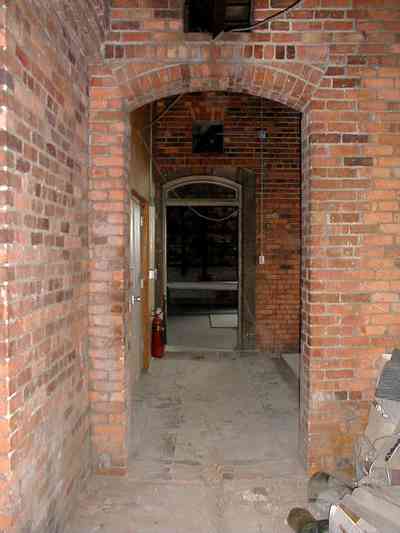
There are several large rooms under the central peak of the roof.
-
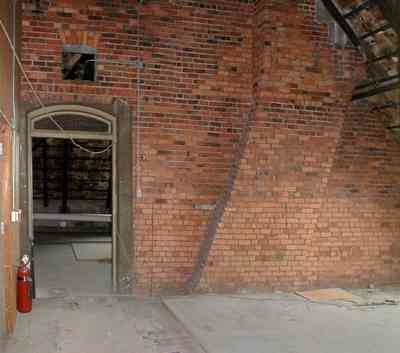
One of the chimney flues can be seen in the brick wall on the right.
-
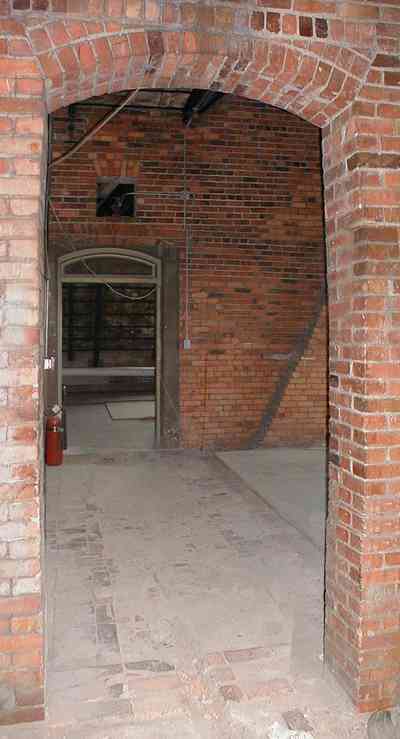
Some of the floors are laid with bricks.
-
-
-
-
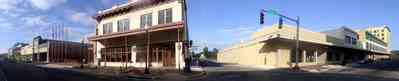
The U.S. Postoffice building is located on the corner of Romana Street and Palafox Place.
-
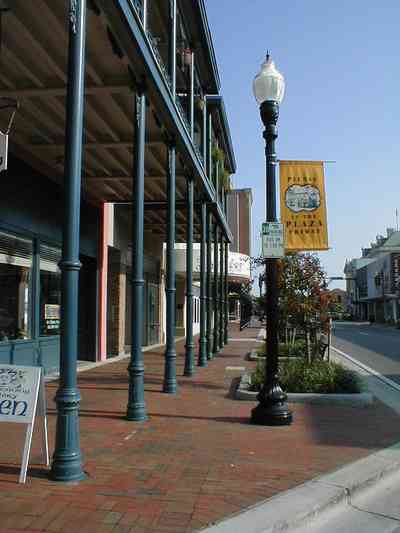
The Saenger marque can be seen in the center of the photograph.
-
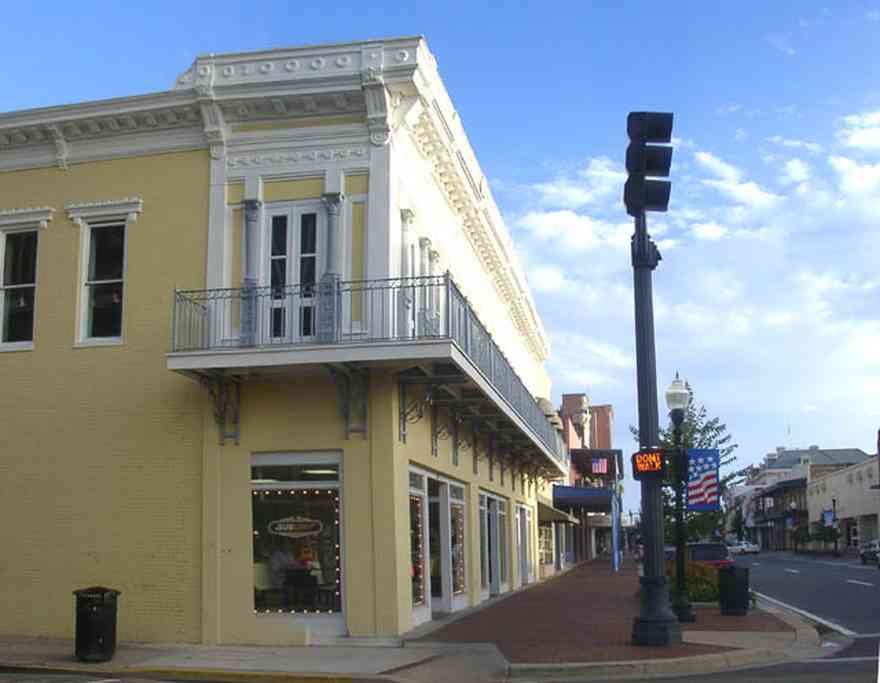
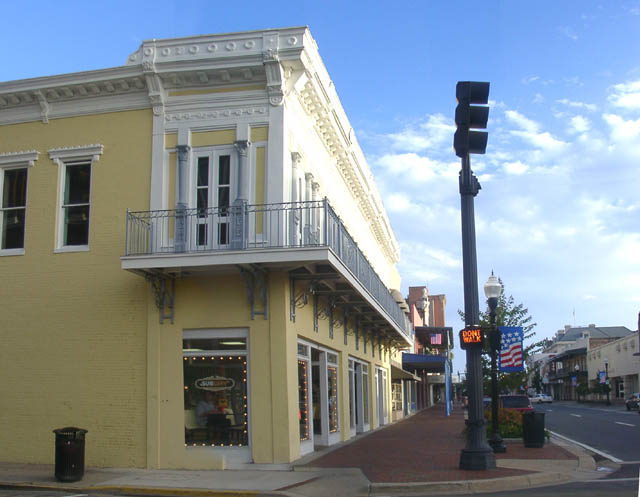
The sandwich shop is located on the southeast corner of Romana Street and Palafox Place.
-
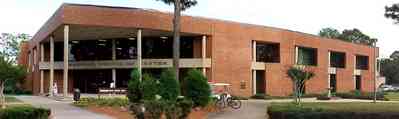
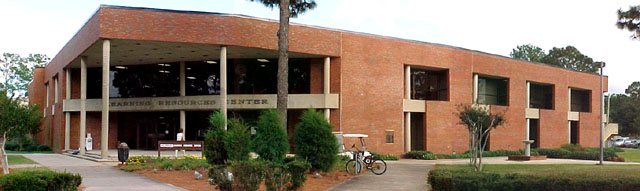
This is the library, or Learning Resource Center, as they call it.
-
-
-
-
-

The power pole is ready to load onto the truck. The pole will be used in another location by Gulf Power.
-
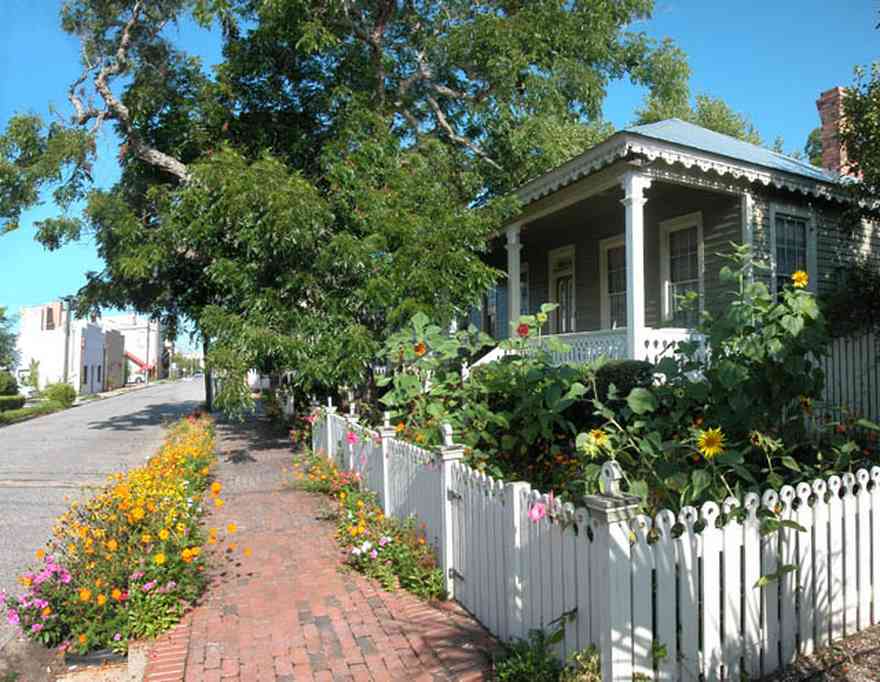
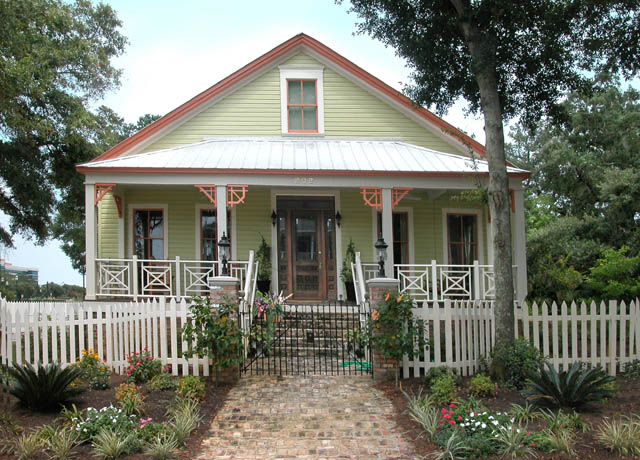
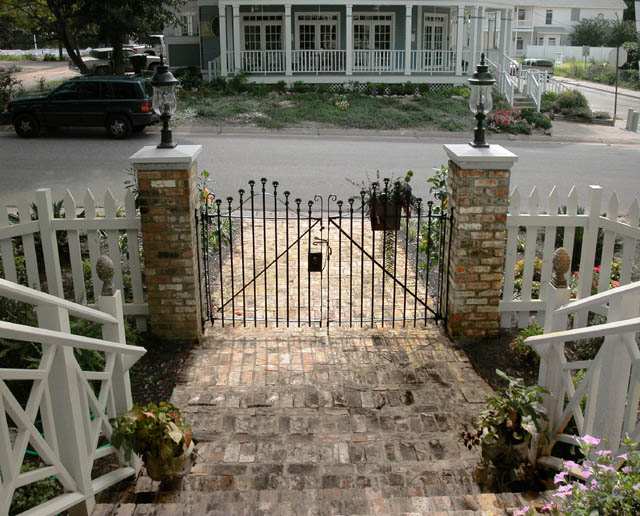
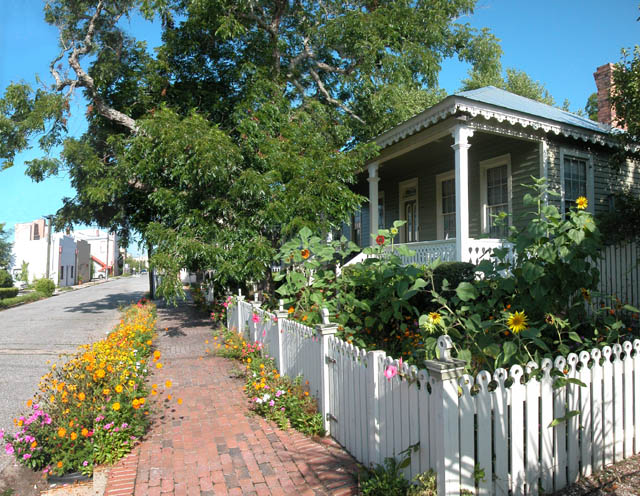
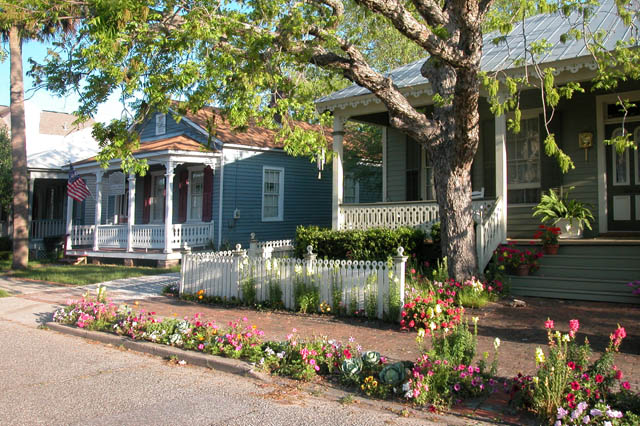
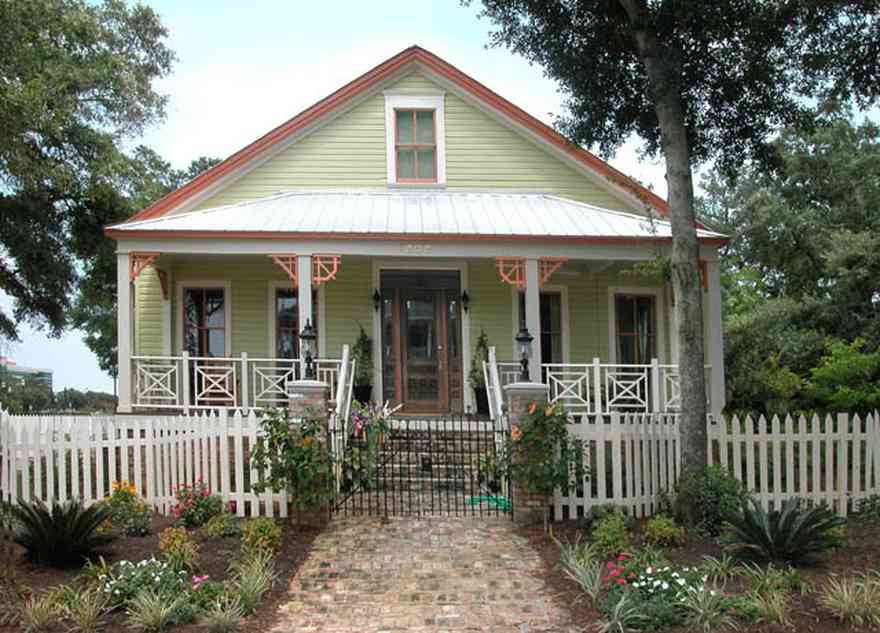
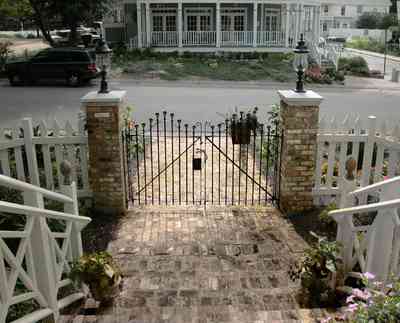
Fence trim was designed to match the Gingerbread trim on the house. Orange cosmos plants thrive in the hot sun along the street. A sign on the backyard gate proclaims 'Farmer Dave.' He plans the cottage garden in an informal style with sunflowers. Sometimes the vegetable patch will creep into the front yard with big, green collard plants creating an interesting contrast in the spring.
-
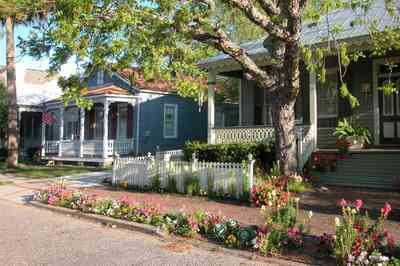
The home is an example of the 'late Cracker' four-square Georgian with classic principles of symmetry, formality and elegance. The building tradition was passed down from the earliest single-pen examples built in the country. The four-square is the town house version of the style.
-
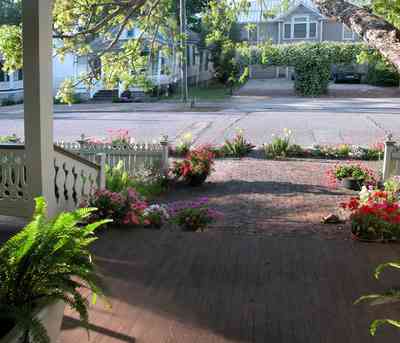
The term four-square refers to a floor plan with a broad central hallway with two rooms to either side. The rooms were large and square in proportion. Two back-to back fireplaces and a common chimney separated each pair of rooms. Porches were part of the social tradition in the days before air conditioning like an outside parlor. Along the streetscape, porches are aligned like one long room.
-
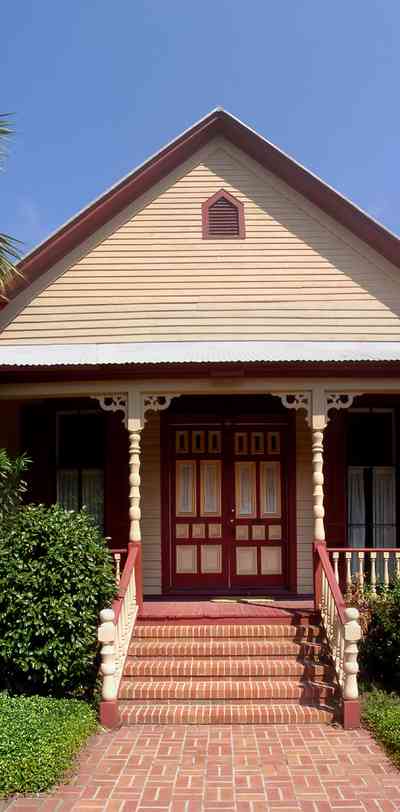
The buildings was constructed in 1895 by the St. Michael Creole Benevolent Association.
-
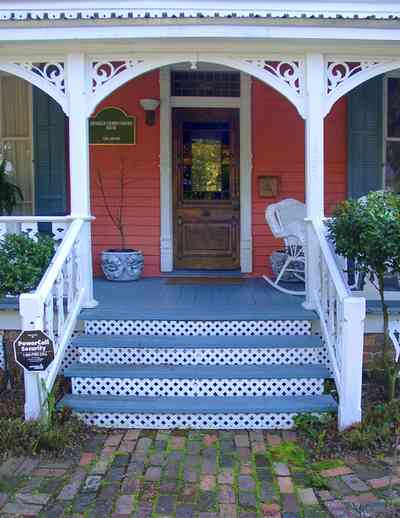
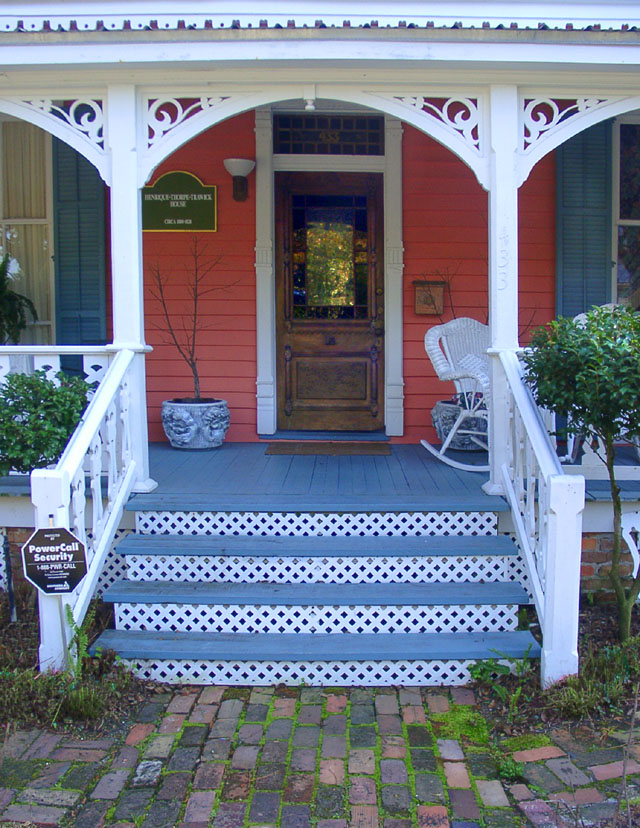
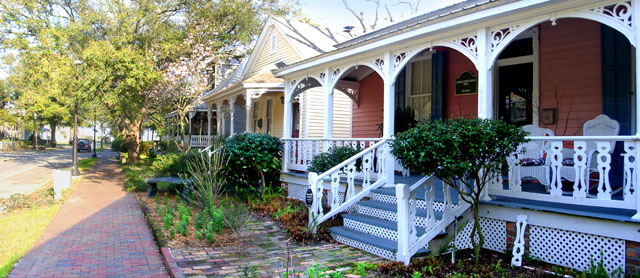
This Victorian home which dates from 1870's is unique in lavish decorative elements.
-
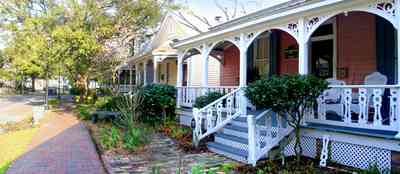
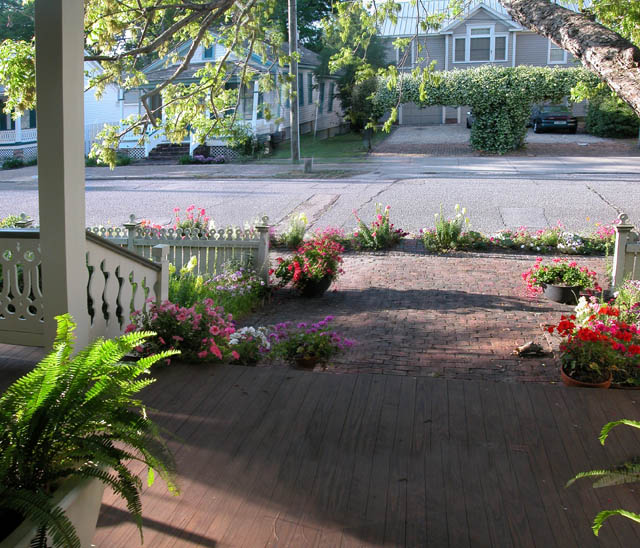
This eastern view of the home shows the brick sidewalks in the Historic District. The infrastructure includes underground utilities and decorative lanterns.
-

A complete view of the neighborhood is seen from the front porch from Florida Blanca Street on the right to Cleland Antique Shop on the far left.
-
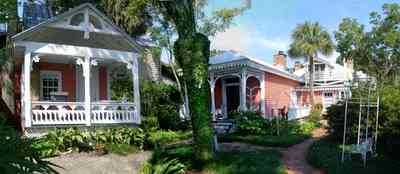
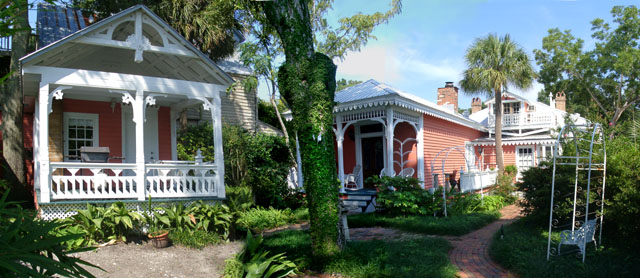
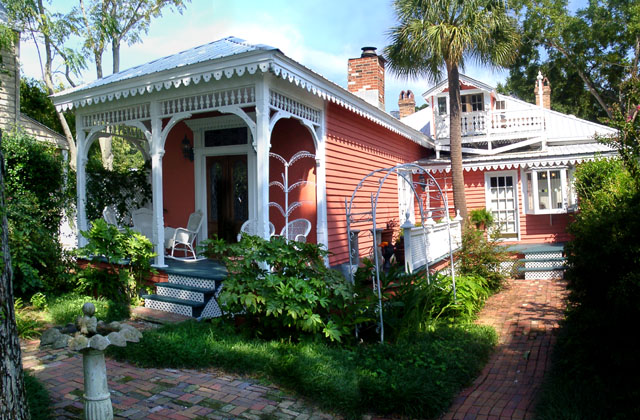
There is an auxillary building in the back yard which is used as a guest house. The origins of the guest cottage are unknown. It is assumed that the structure was added at the same time as the rear addition and is probably another house which was moved to the site.
-
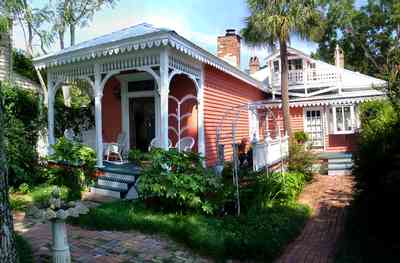
From the vantage point of the back yard, the second floor widows walk can be seen in the upper right corner of the photograph. The back roof of the addition retains the classic pyramidal shape of the four-square Georgian style.
-
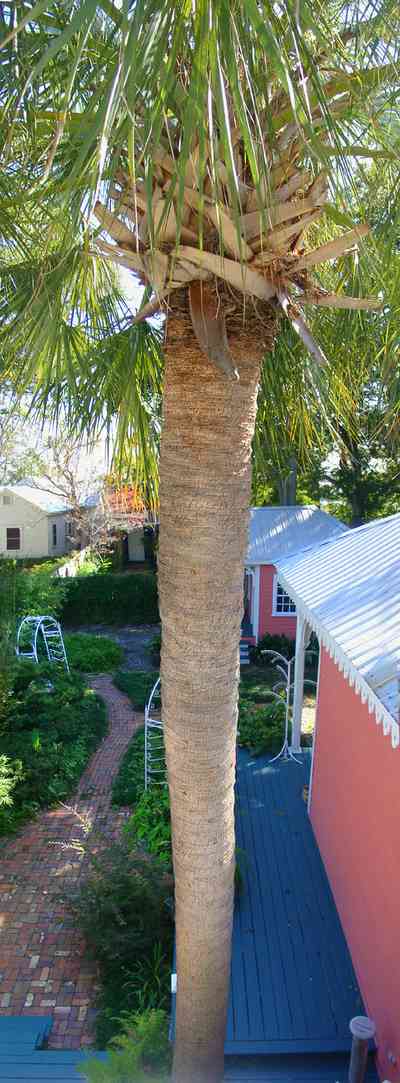
This is the view looking down from the upstairs balcony at the backyard.
-
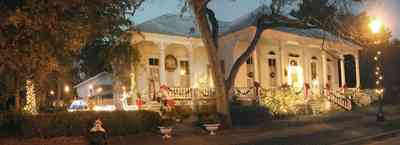
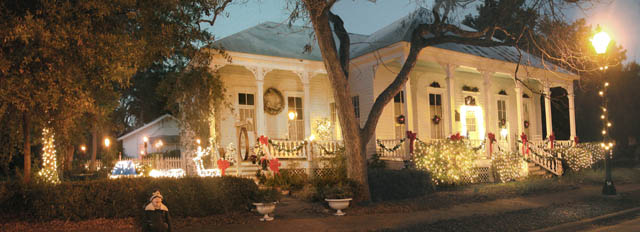
The house is elaborately decorated for the Chrismas season. Diane Bigler was presented with a first place award in the multi-use category in the 2002 Pensacola Historic District Property Owners Christmas Decorating Contest.
-
-
-
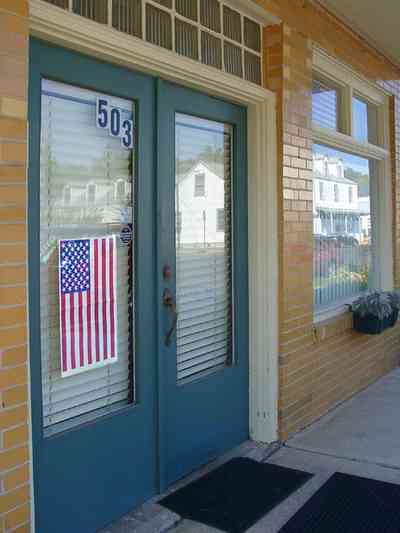
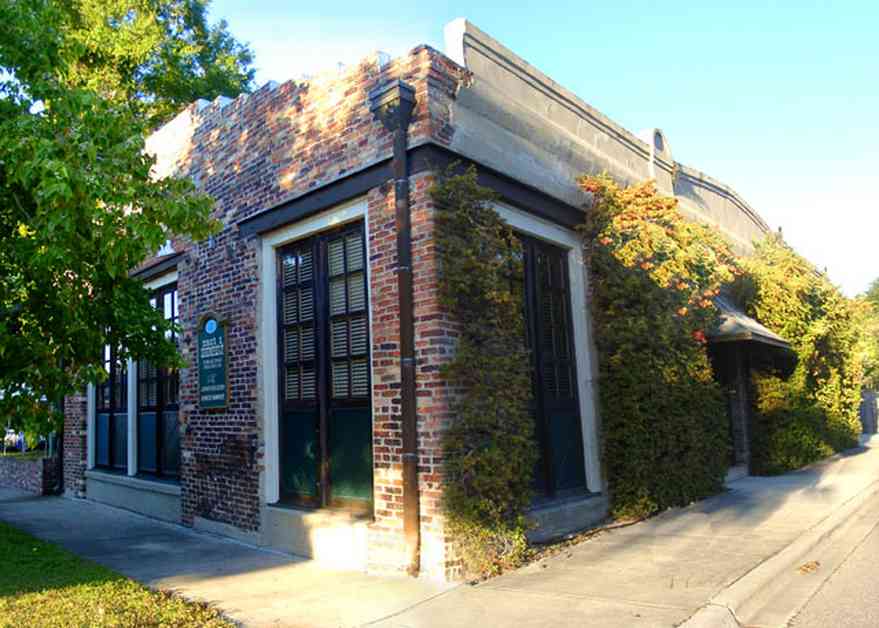
The small brick building was used as a grocery store. It was built in the 1930's to serve the downtown neighborhood.
-
-
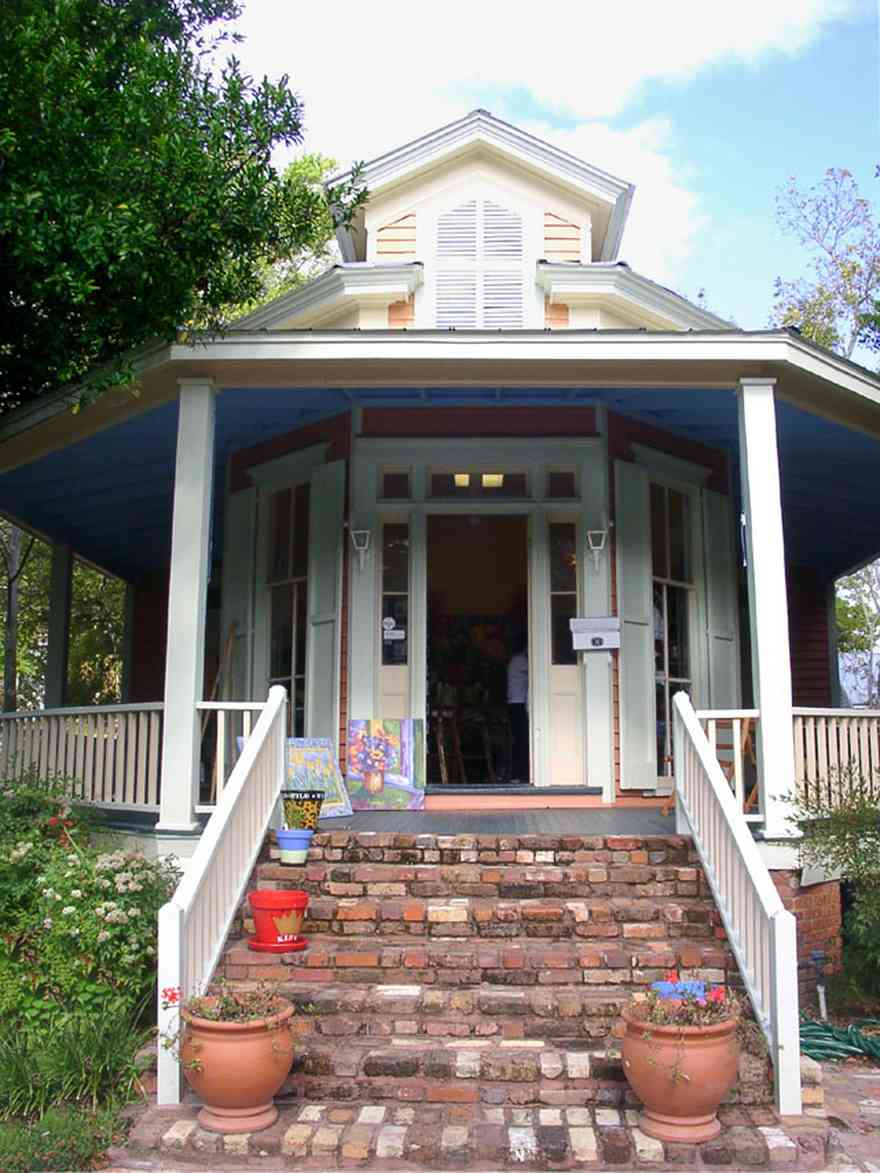
This is the only example of a steamboat facade in the historic district.
-
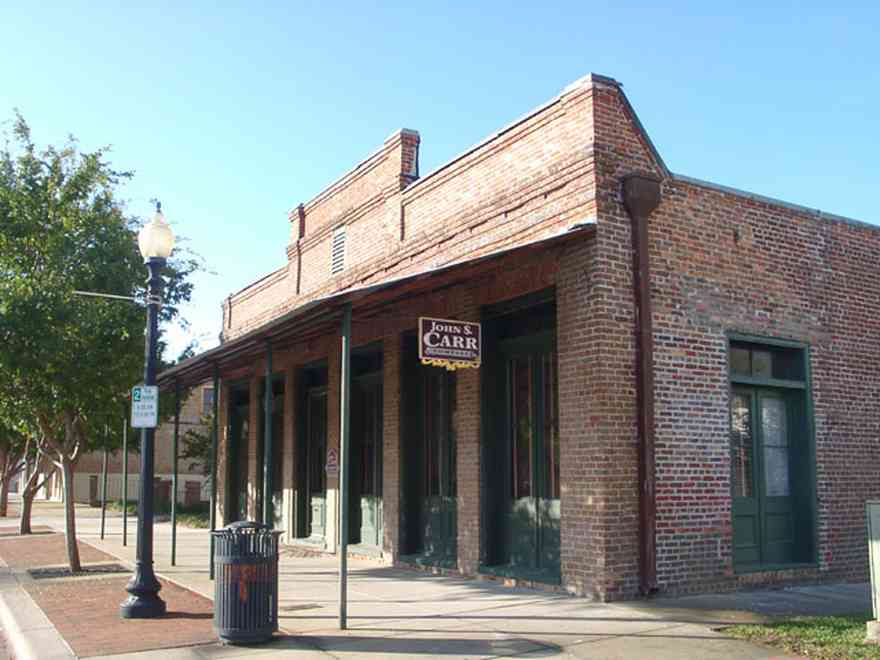
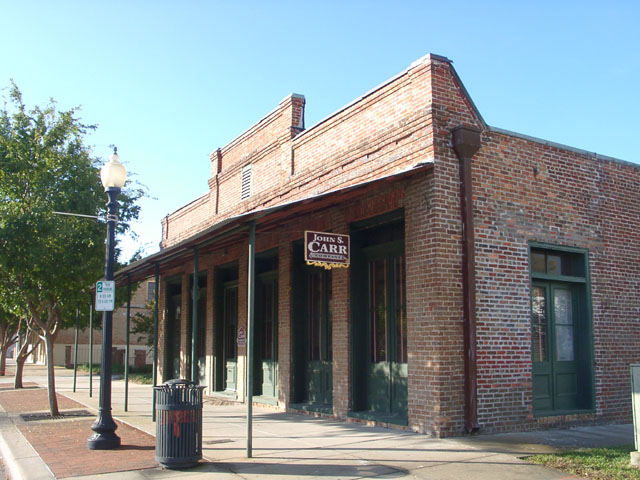
The office of real estate developer, John Carr is located on Palafox Street.
-
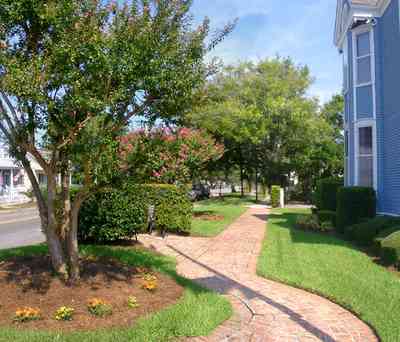
This view shows the side of the building adjacent to Alcaniz Street.
-
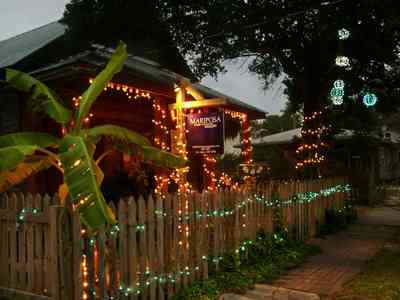
-
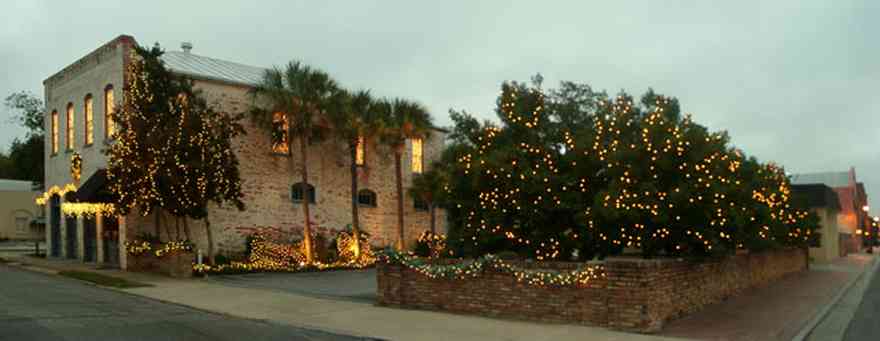
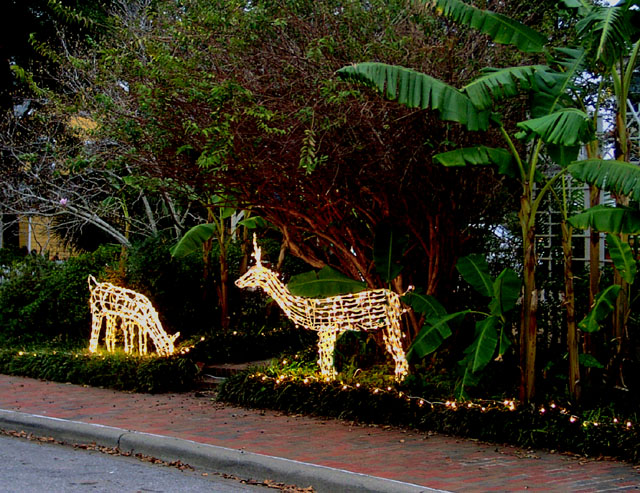
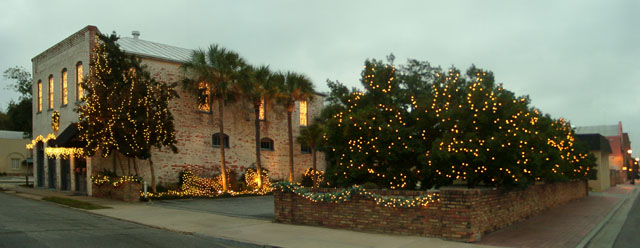
Thousands of tiny lights illuminate the corner of Tarrangona and Intendencia Street.
-
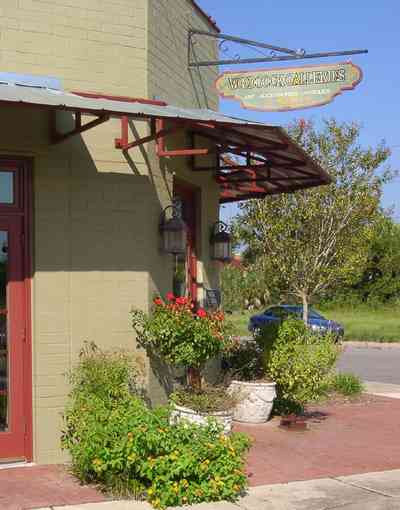
The shop is located on the southwestern corner of Florida Blanca and Romana Street across from the Aragon development.
-
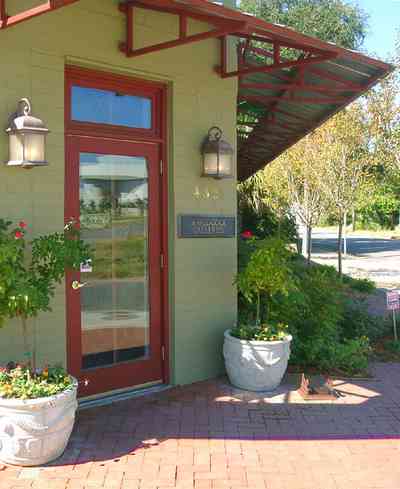
Pots of roses flank the front door of the shop.
-
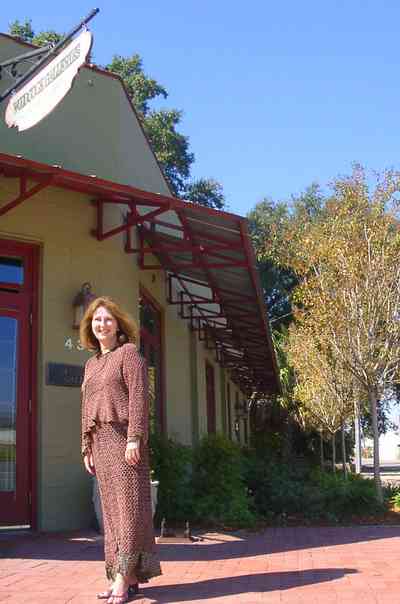
nancy Greenfield is the head designer and owner of the shop.
-
-
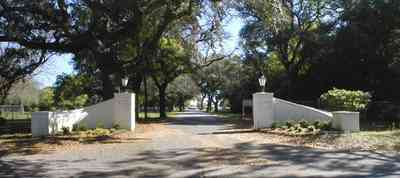
The yacht club is located on Cypress Street at the entrance to Bayou Chico.
-
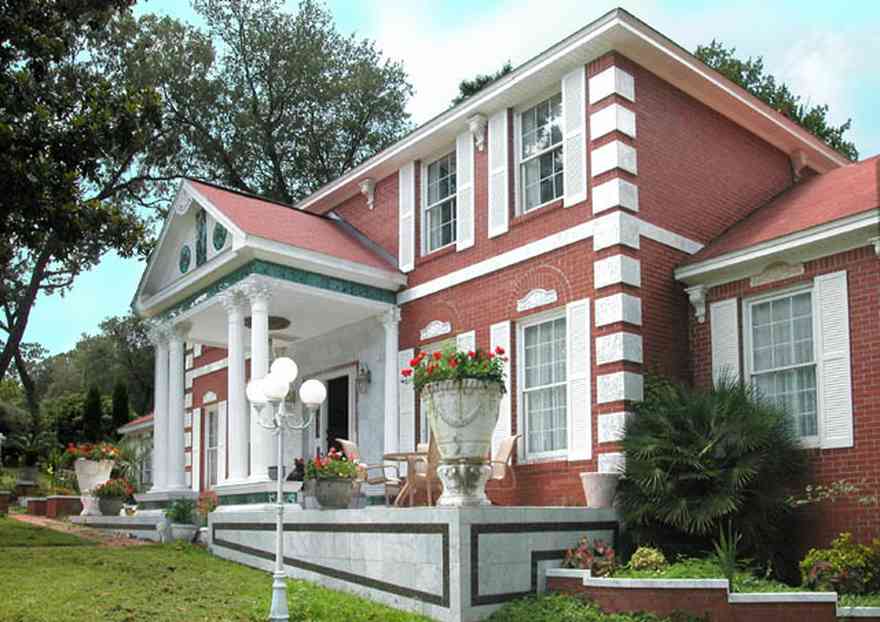
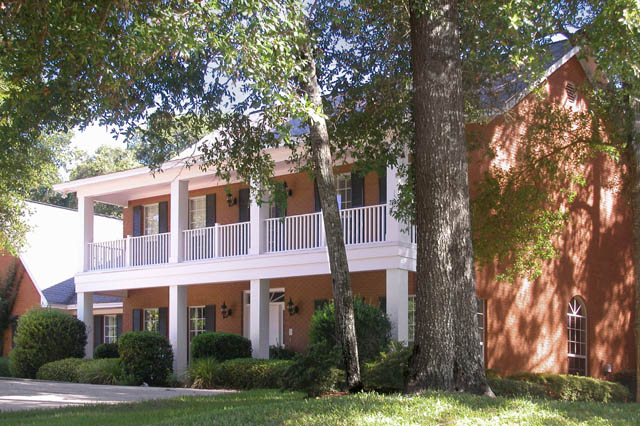
The porch is a pavillion, the part of the building projecting out from the wall surface.
-
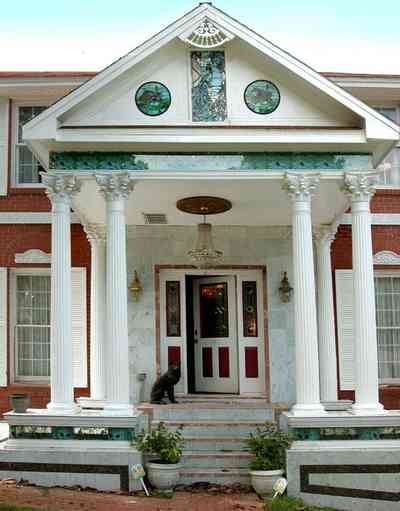
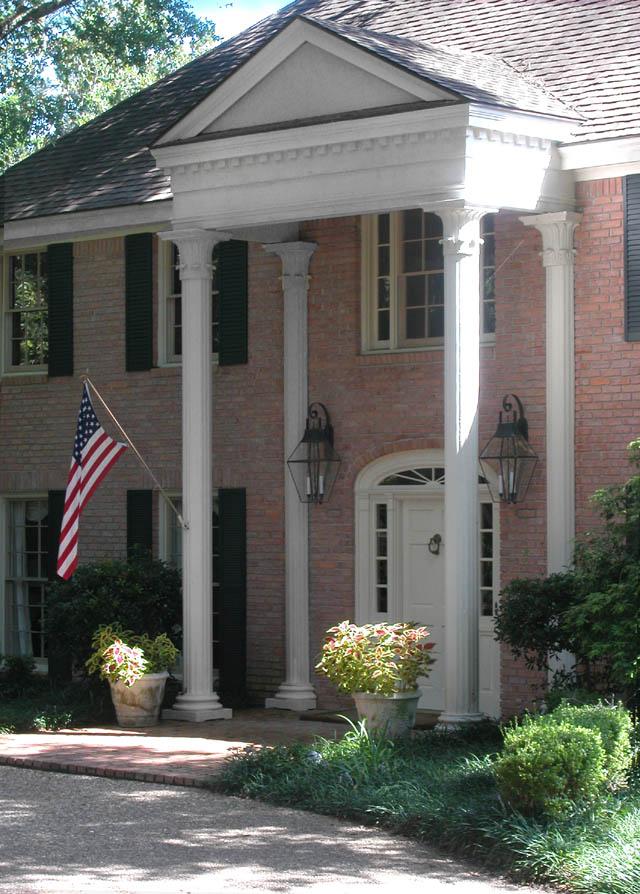
The central projecting pavilion is a common featuer of late Georgian and Regency architects.
-
-
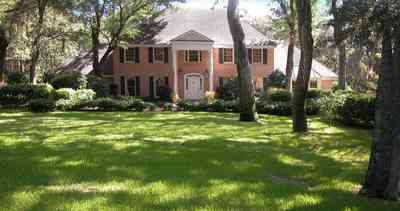
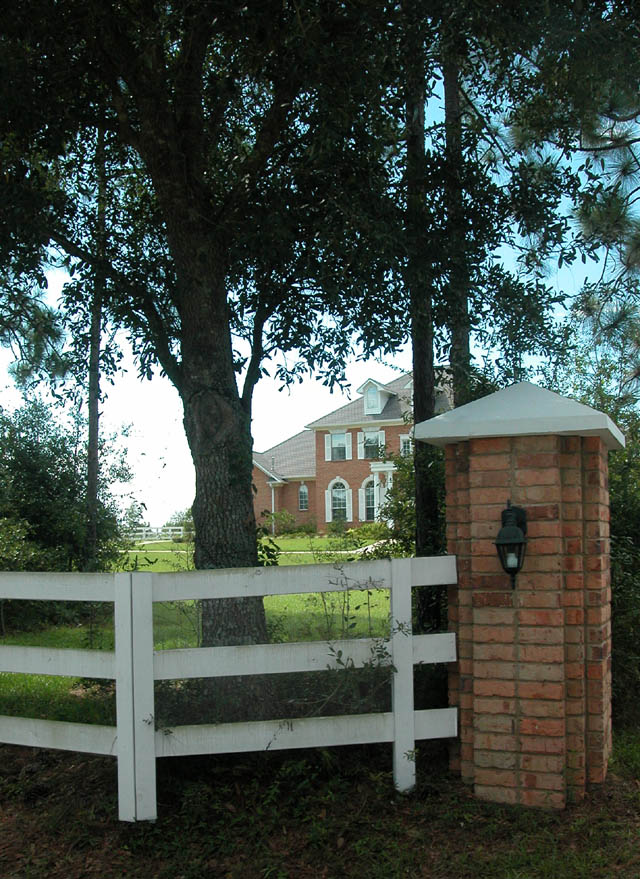
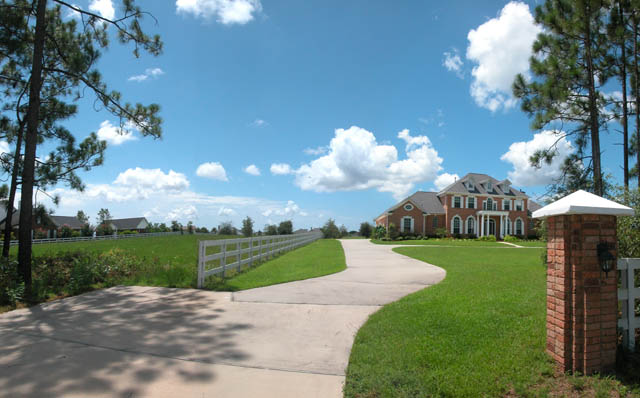
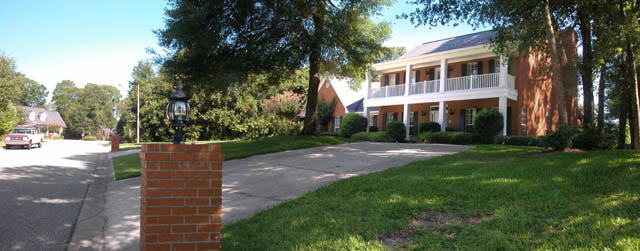
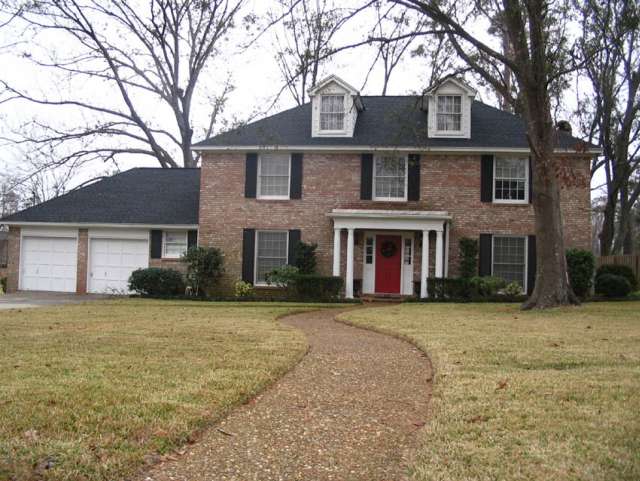
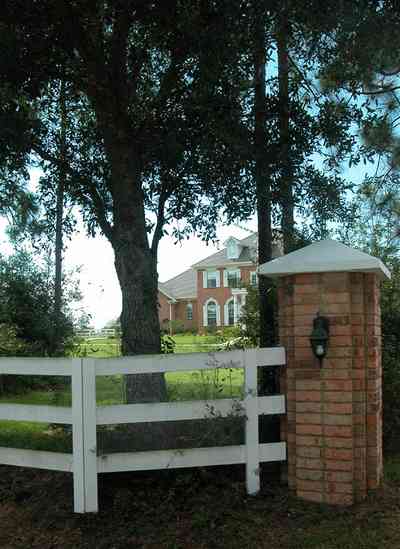
The home is located on the east side of Bohemia Drive in the Bohemia Subdivision.
-
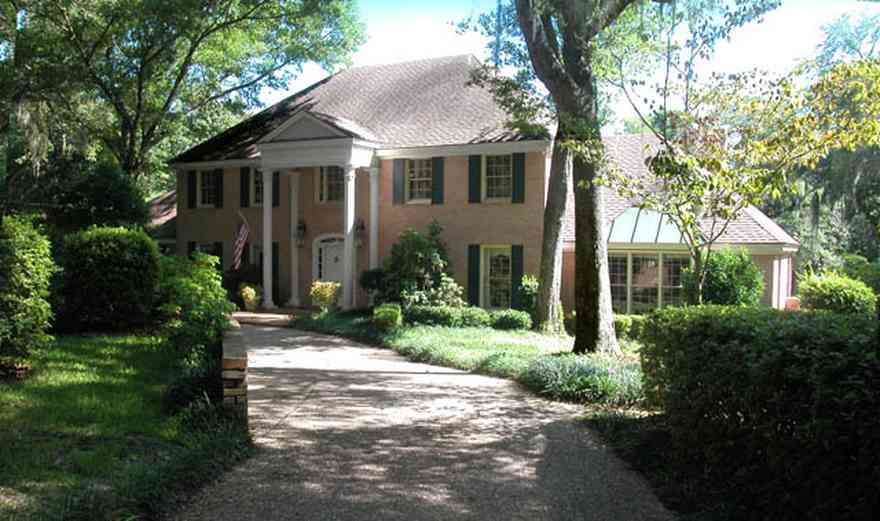
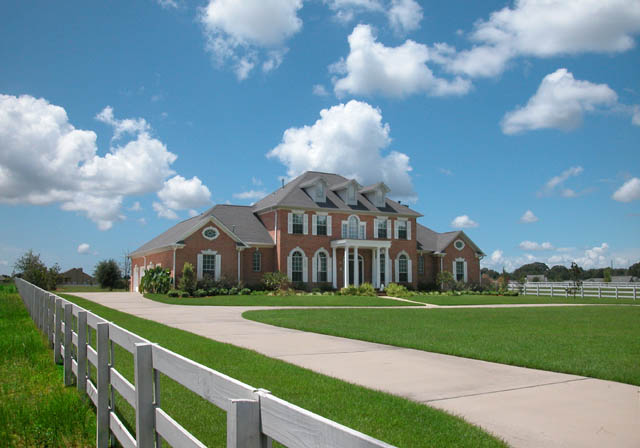
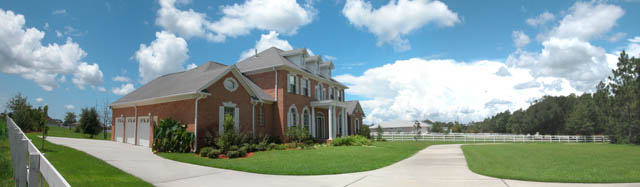
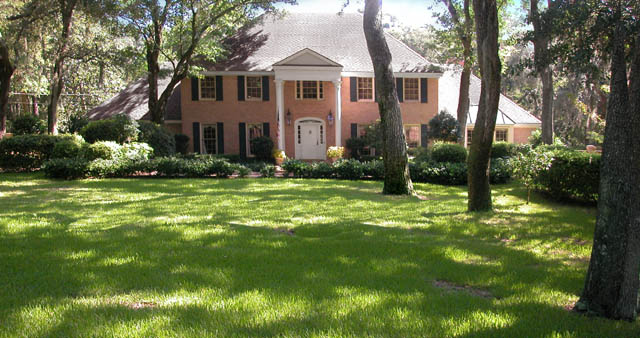
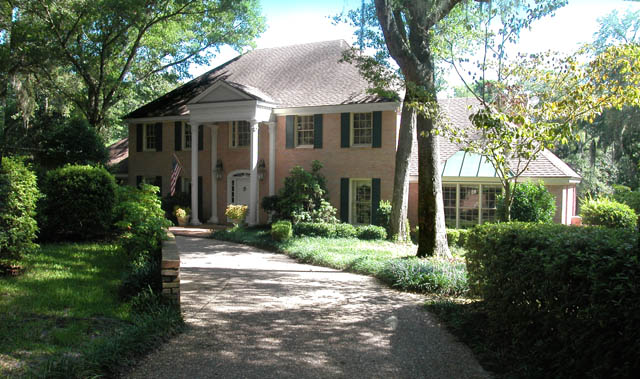
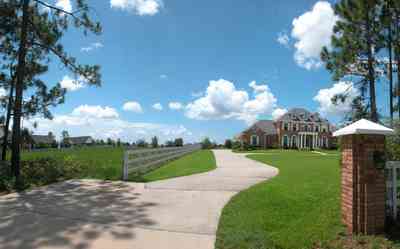
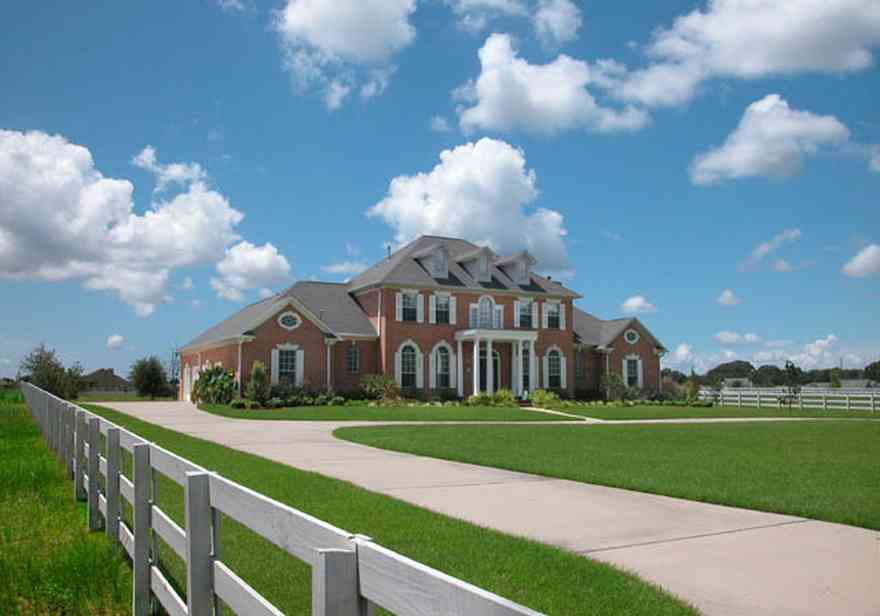
A circular driveway is the central feature of the front yard.
-
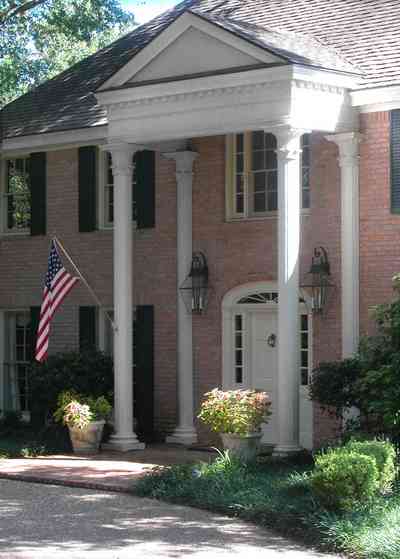
There is an overstory of large trees throughout the development.
-

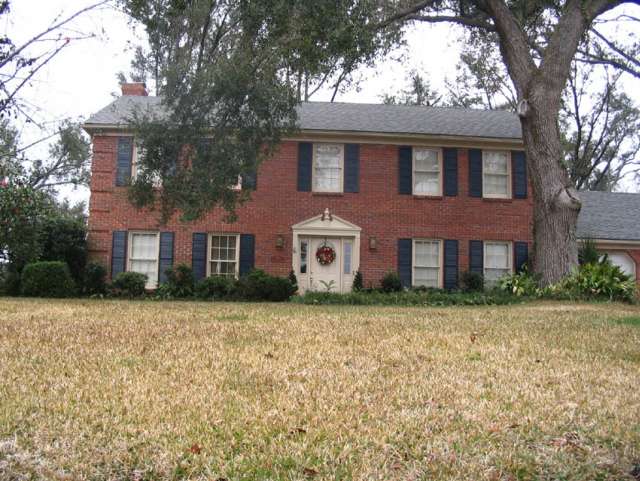
The home is located in the Bohemia development on Scenic Highway.
-
A circular driveway is the central feature of the front yard.
-
There is an overstory of large oak trees throughout the entire development.
-
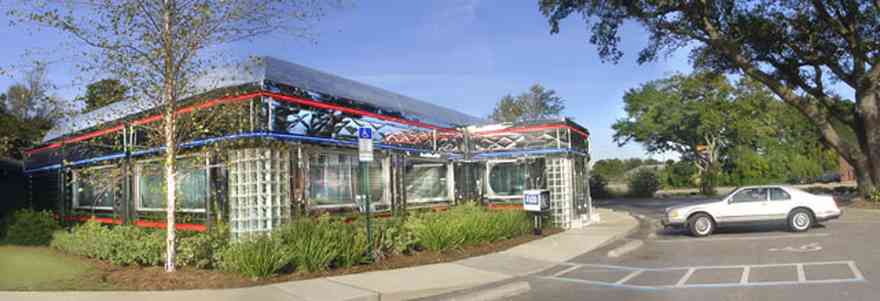
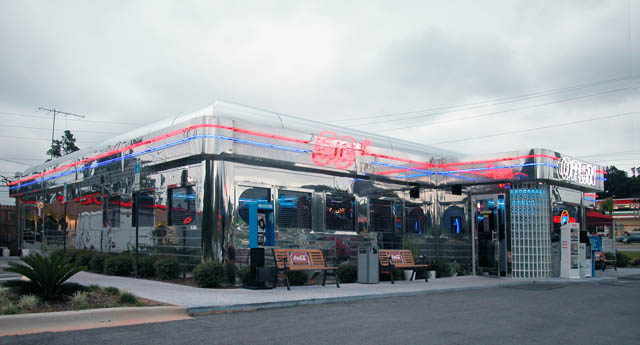
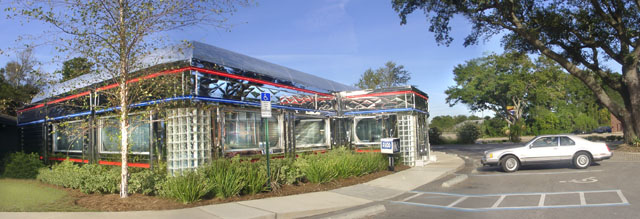
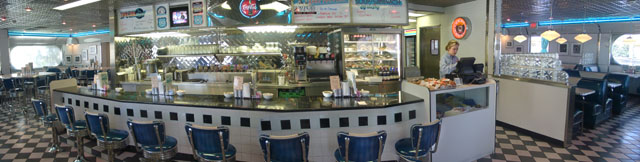
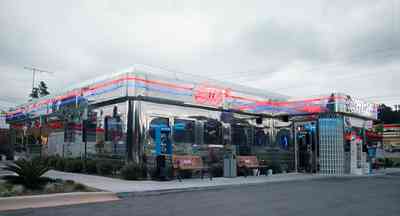
The building is an excellent example of 1950's architecture with its glimmering stainless steel and glass brick facade.
-
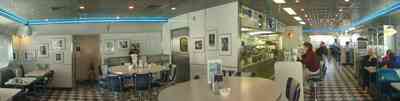
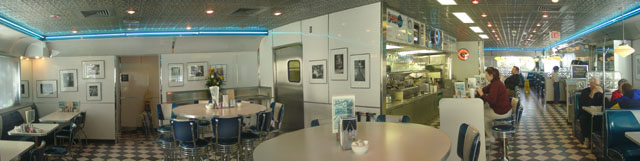
The restaurant has a variety of seating styles - tables, booths, and counters.
-
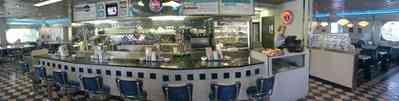
The counter is directly inside the entry doors..
-
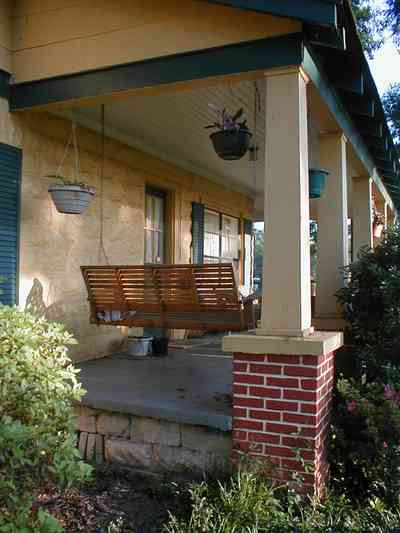
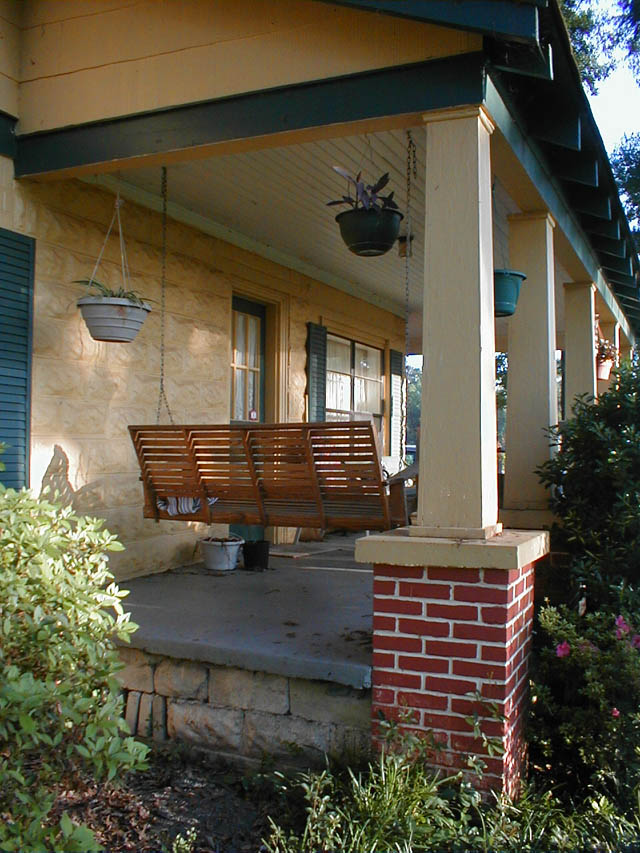
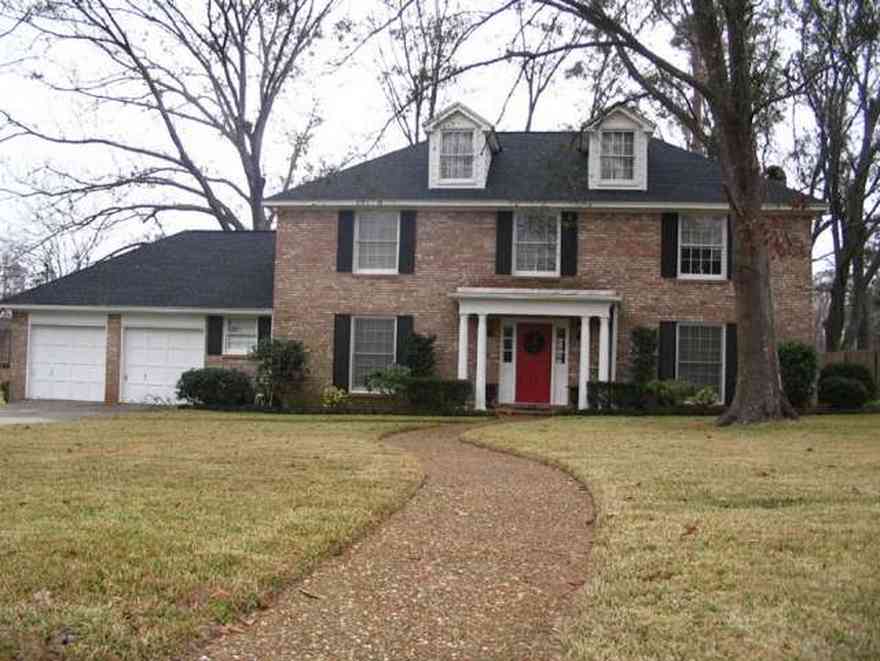
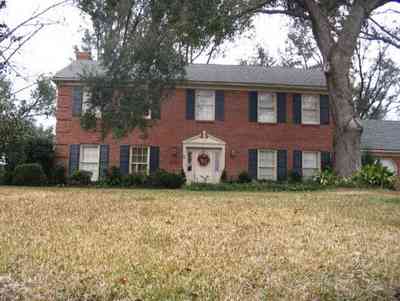
The style of architecture is often referred to as Craftsman. These dwellings display a fine degree of craftsmanship and are constructed of materials left as close as possible to their natural state.
-
-
-
-
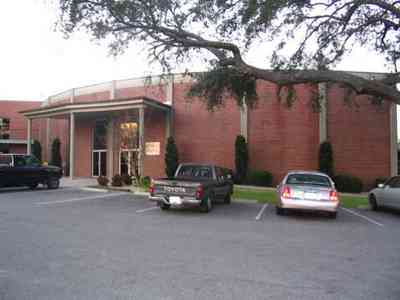
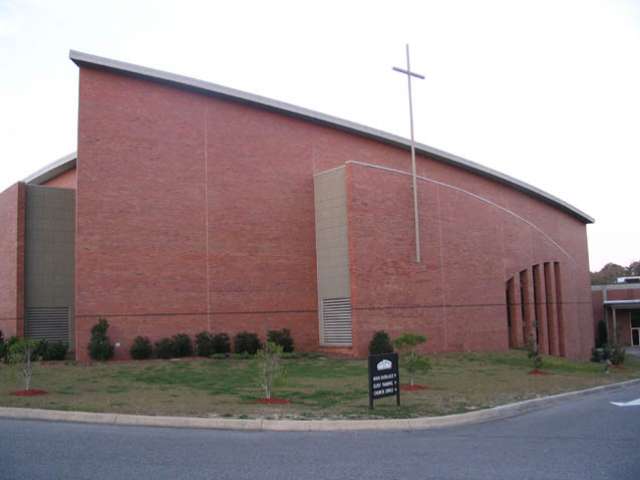
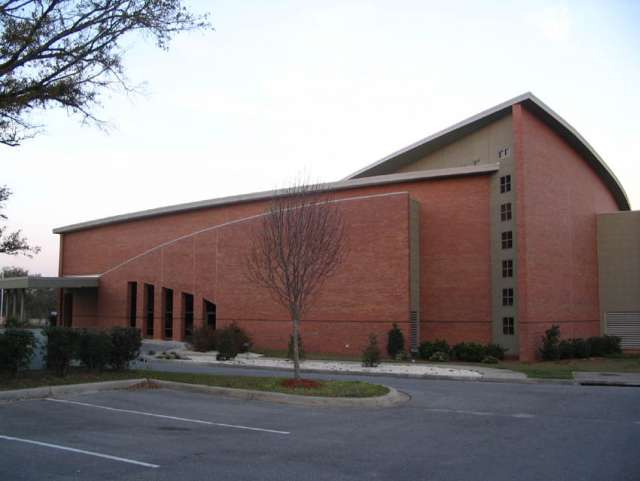
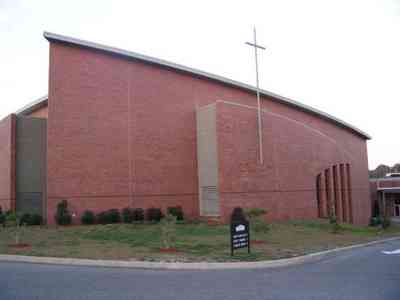
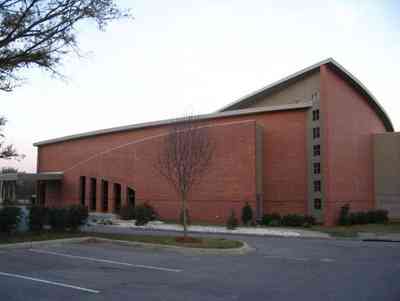
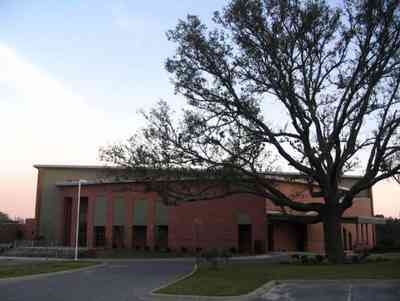
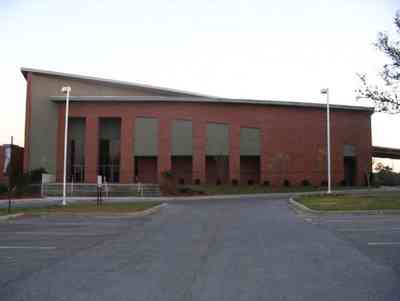
The steeple is gone, but this curved building was the old sanctuary before the modern new structure was built in 2004.
-
-
-
-
-
-
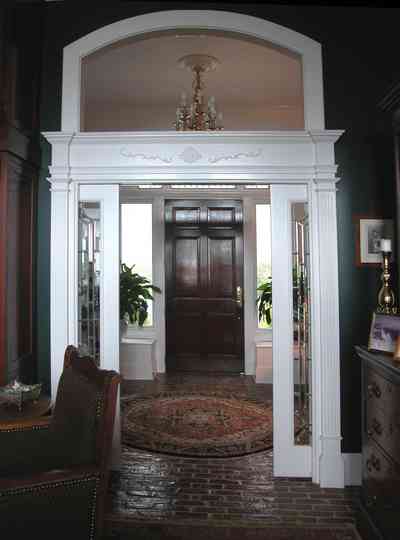
The front door leads to Windrose Circle on the west side of the home.
 One Tank of Gas