-
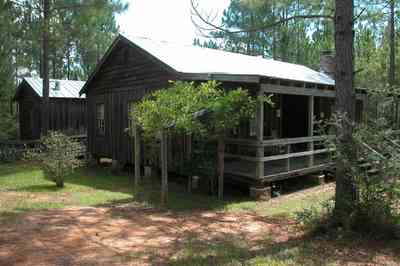
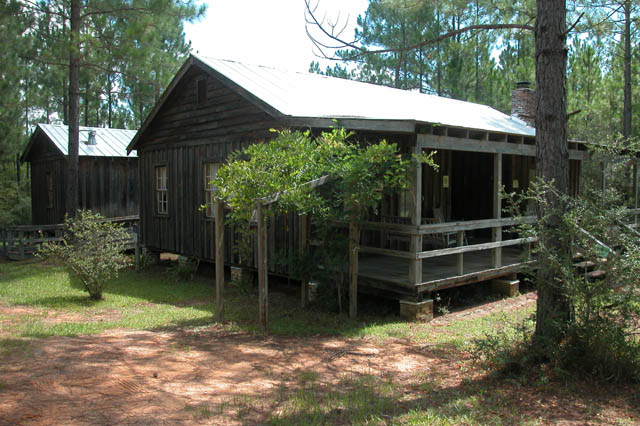
This is a typical Cracker homestead. Cracker refers to the unpretentious people and architecture found on farms and in rural communities still sprinkled throughout the Florida peninsula and panhandle wetlands.
-
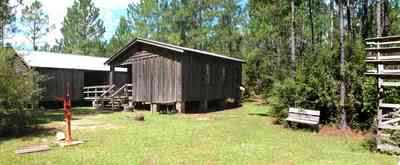
A separate kitchen structure was built out back to isolate the heat of cooking and the hazards of fire.
-
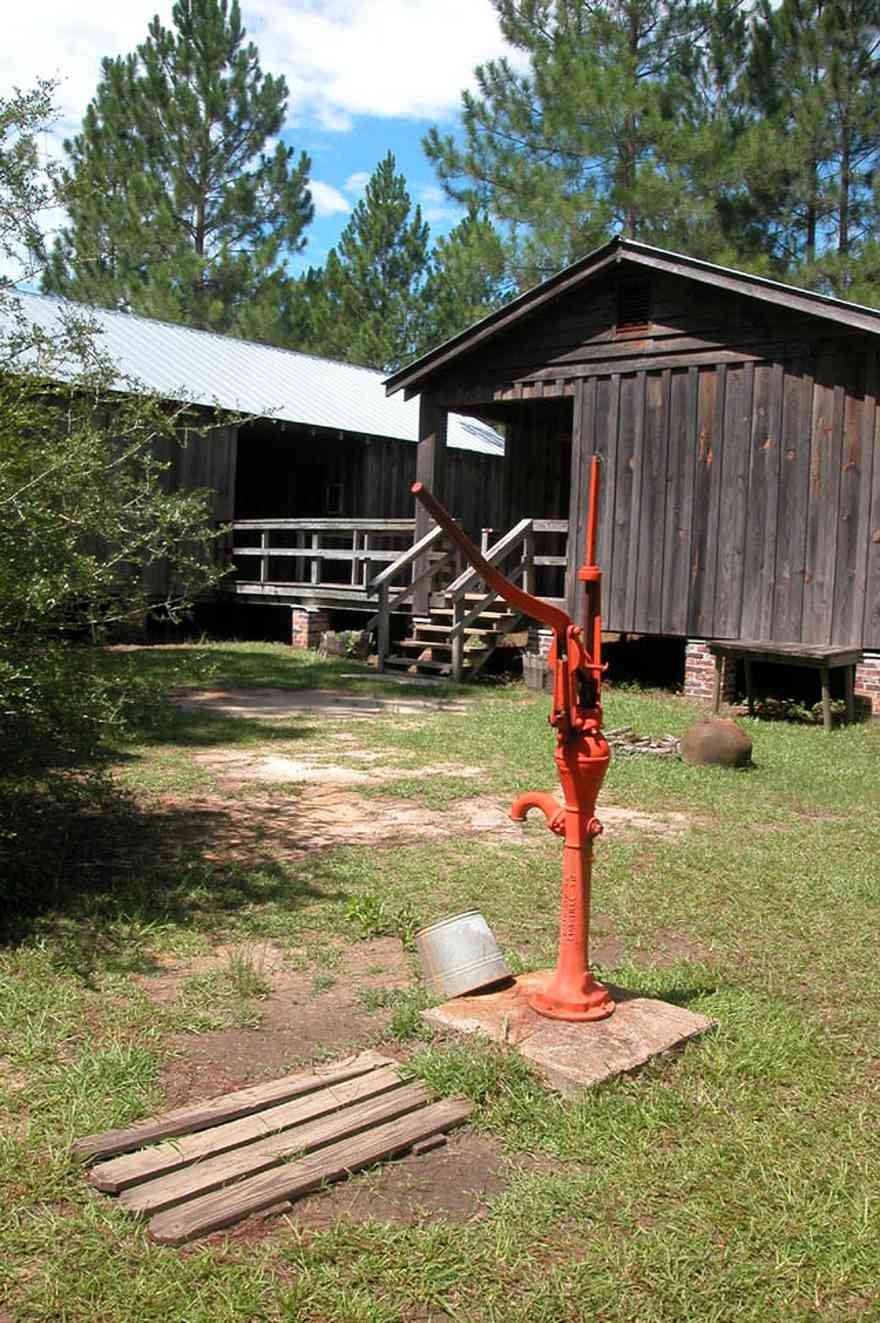
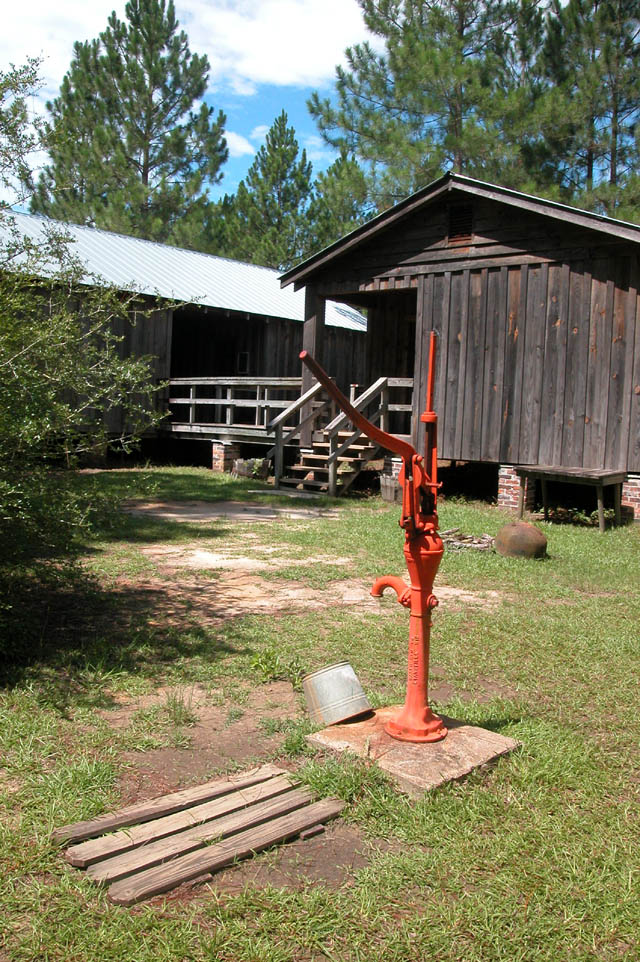
Water was pumped by hand. The well was dug at the rear of the house adjacent to the kitchen.
-
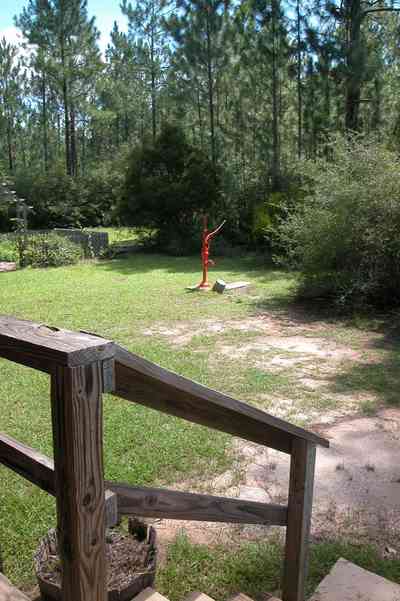
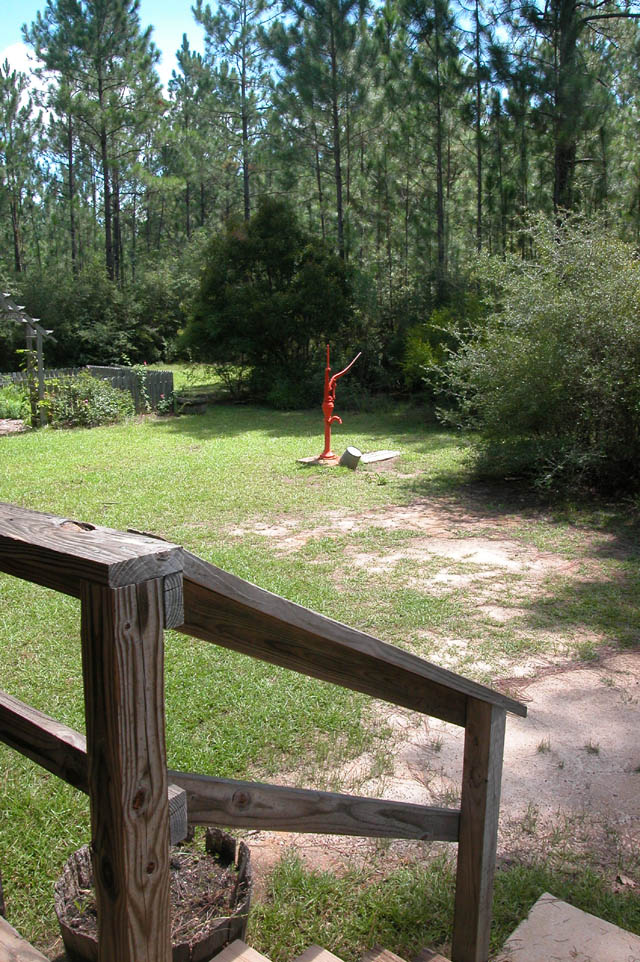
The pump is set just off the back of the main house.
-
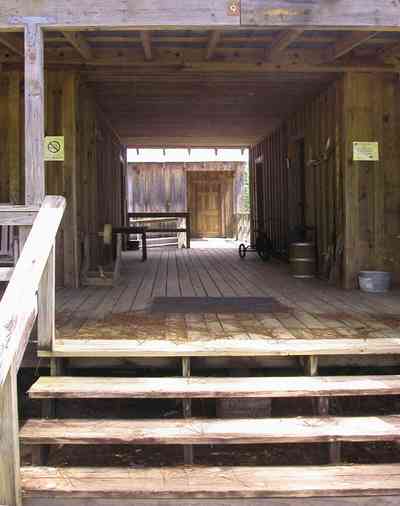
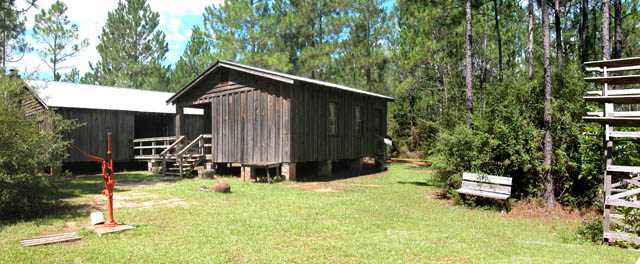
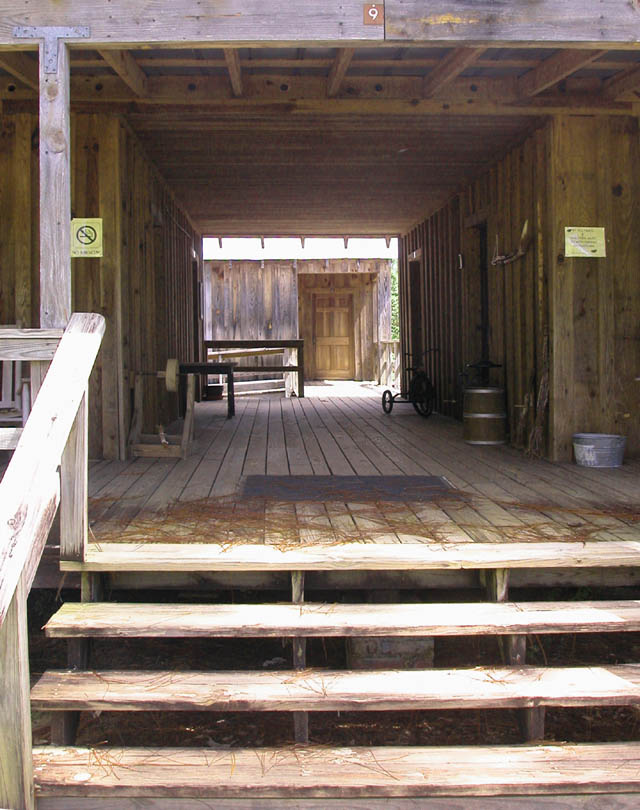
With broad porches and this "dog trot" breezeway, the interior space was somewhat insulated for direct sunlight. It also served as a sheltered workspace. The kitchen building is at the end of the walkway.
-
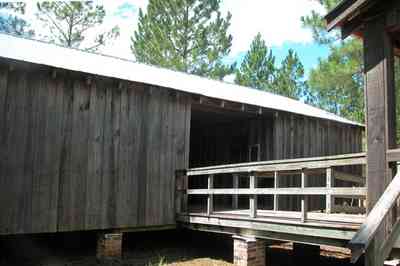
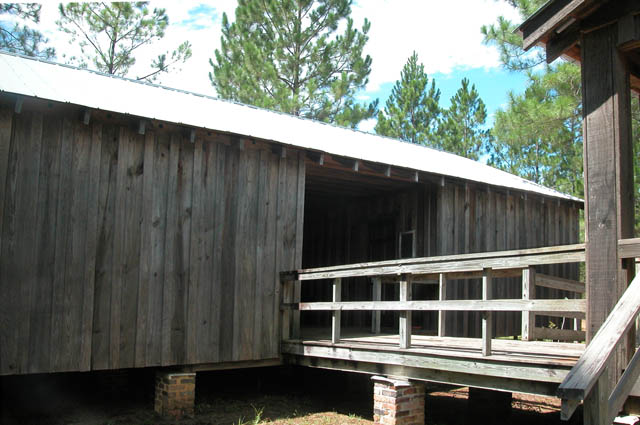
Houses were built high up off the damp ground on piers.
-
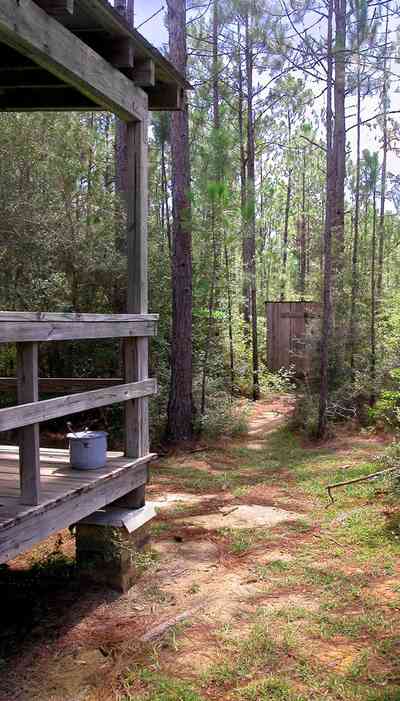
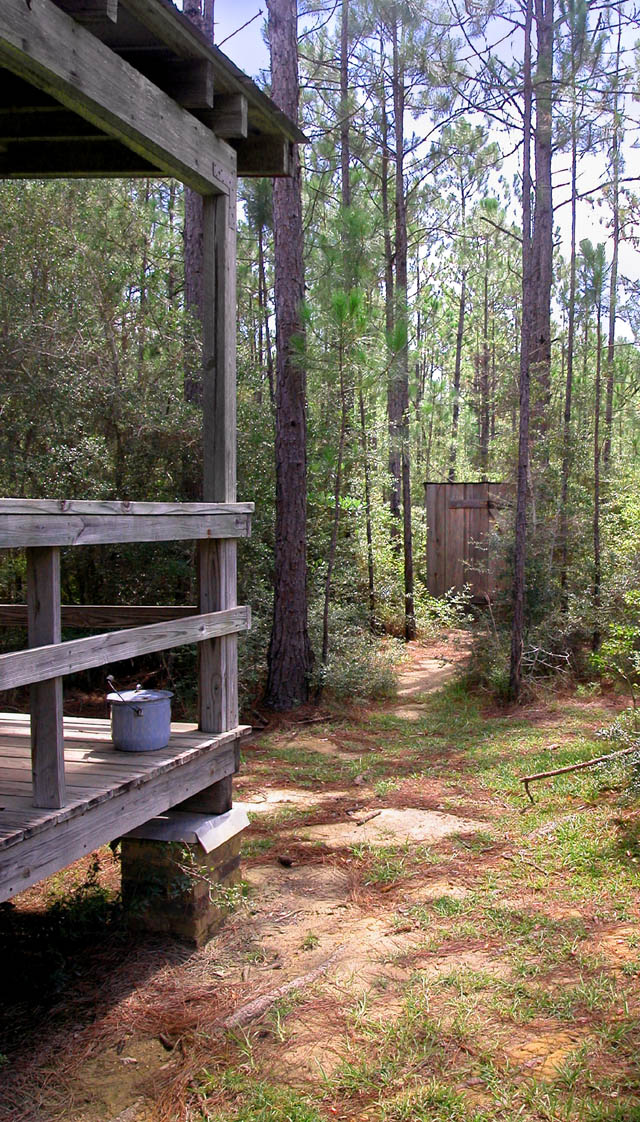
The outhouse can be seen through the trees. Toilets were small wooden buildings commonly with two seating spaces. Unheated, the privy was cold in the wintertime. Waste built up under the seat until it was necessary to move the privy, or construct a new one. At night, women and girls made use of a flanged bucket known asa a slop jar and kept it under their beds. There is a slop jar on the corner of the porch. Indoor plumbing did not come to most farms until the 1930's, 1940's, or 1950's.
-
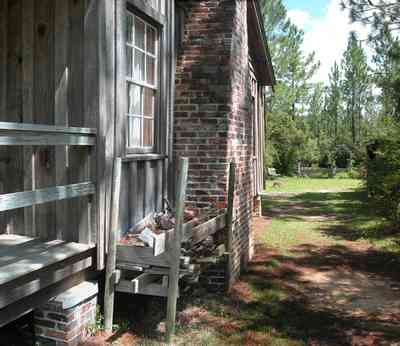
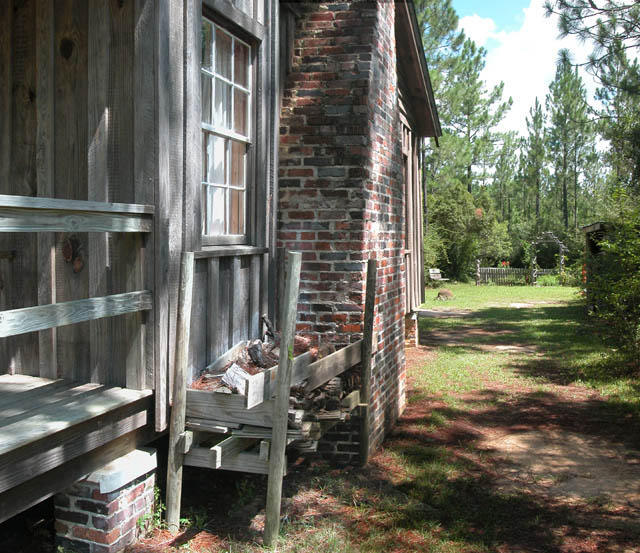
Cracker homesteaders oriented their houses on a north-south axis which maximized solar impact on all three sunny sides. Such a tactic helped to keep the wall dry. Placement of the fireplace and chimney in the north gable end would keep that fourth sunless wall dry as well. In the photograph, the wood is stacked off the ground alongside of the chimney.
-

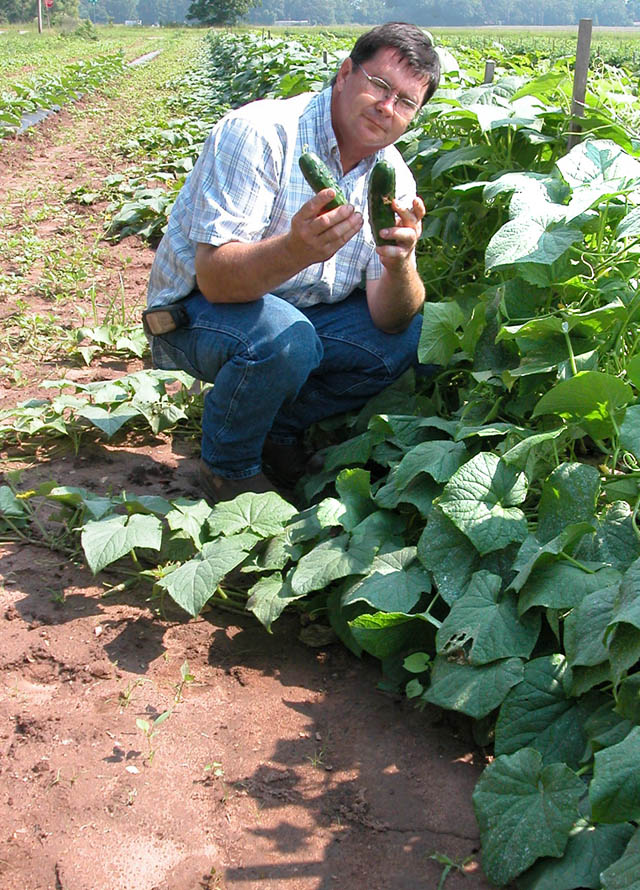
Produce such as, the cucumbers displayed by Bruce Holland is sold at the nearby barn.
-
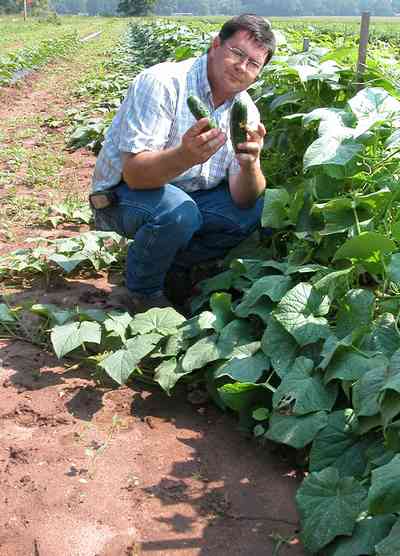
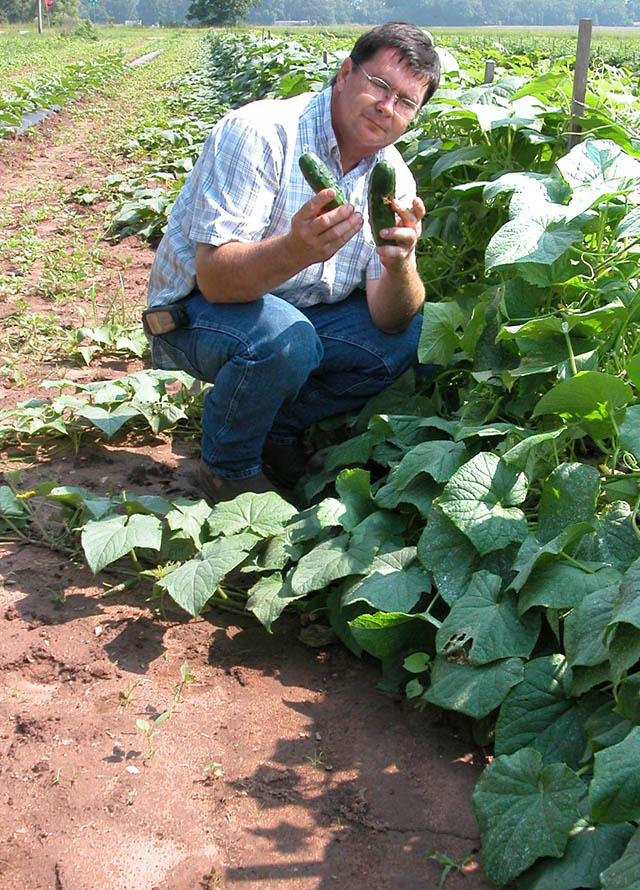
Bruce Holland inspects the cucumbers planted along a low fence.
-
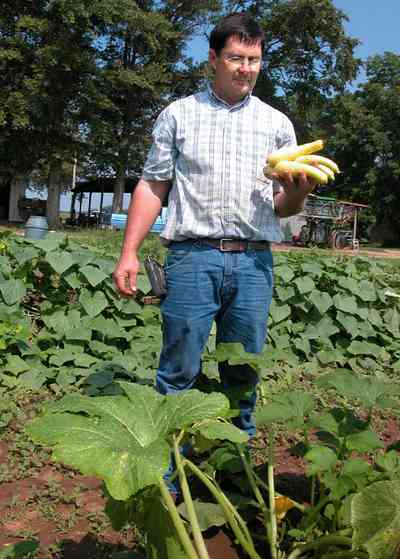
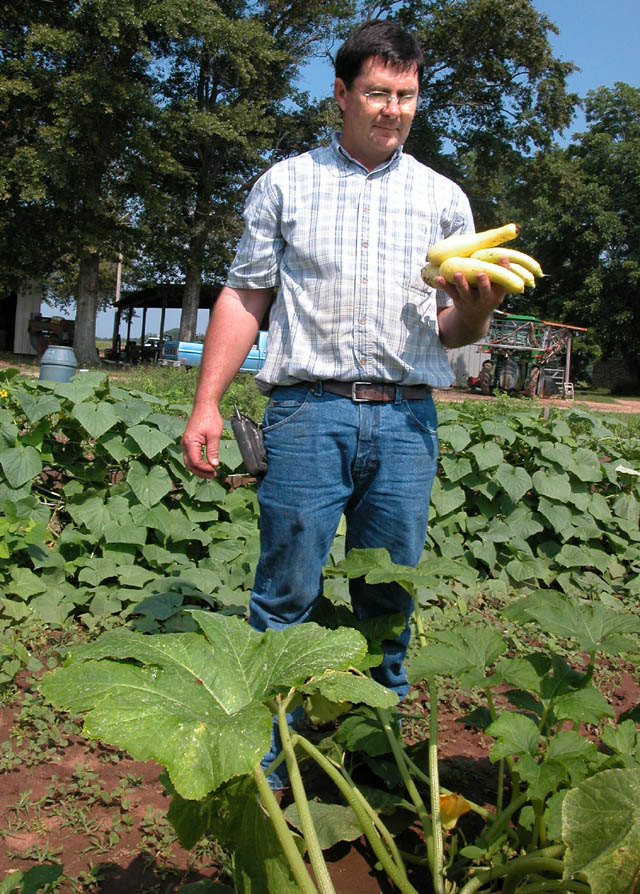
Yellow crookneck squash grow in the garden south of the main barn.
-
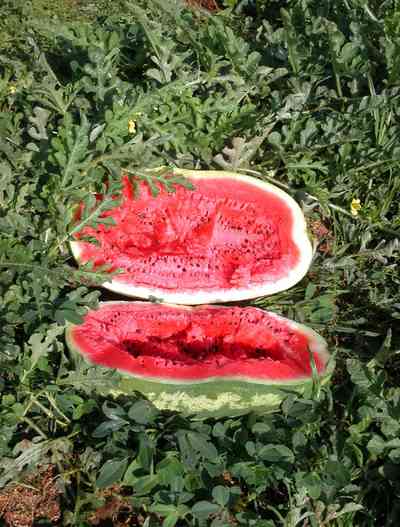
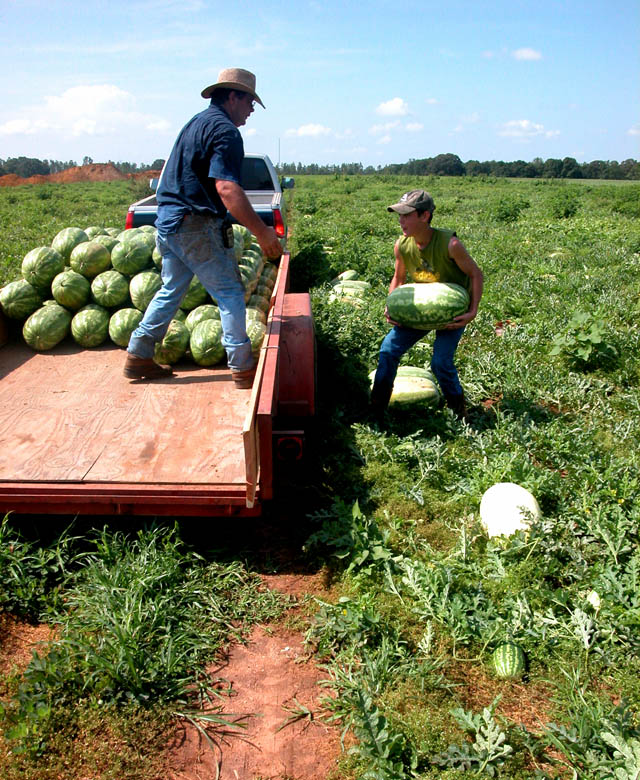
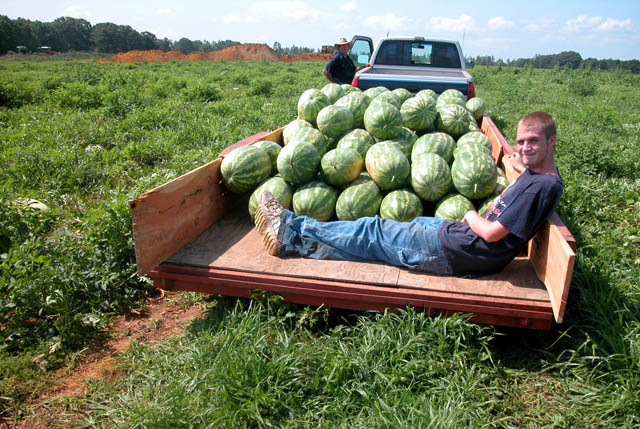
Africa is considered to be the native home of the watermelon.
-
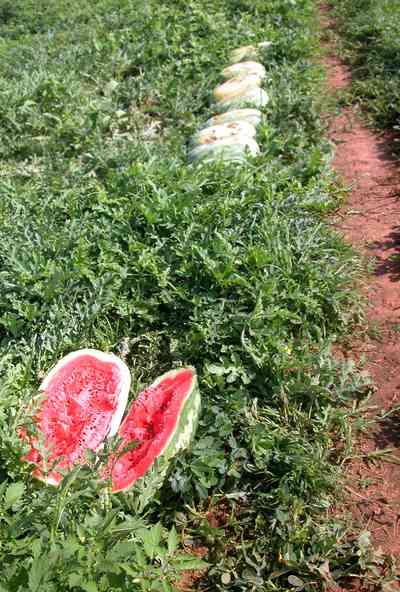
On the American continent, watermelons were grown as early as 1629 in Massachusetts, and prior to 1664 in Florida.
-
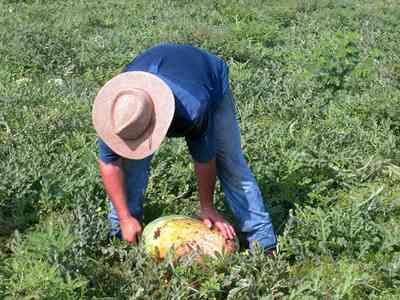
Watermelons grow best on a sandy loam soil.
-
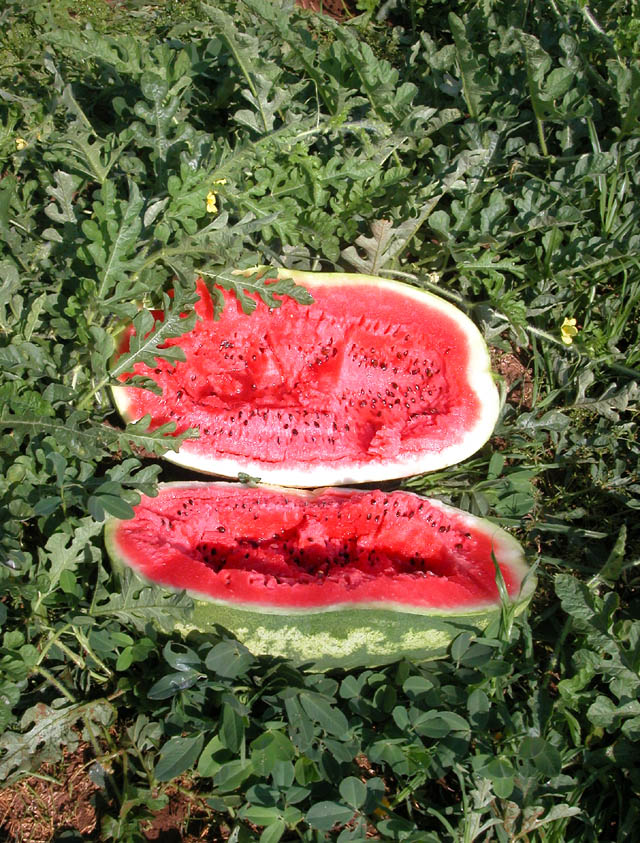
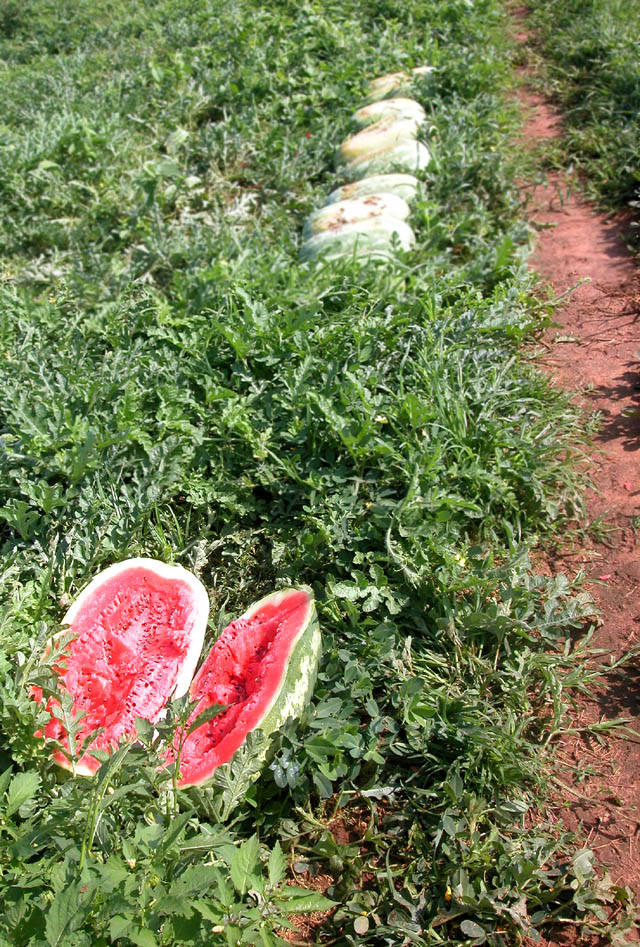
Today there are more than 100 different varieties of watermelons. The flesh may be red, pink, orange or yellow.
-
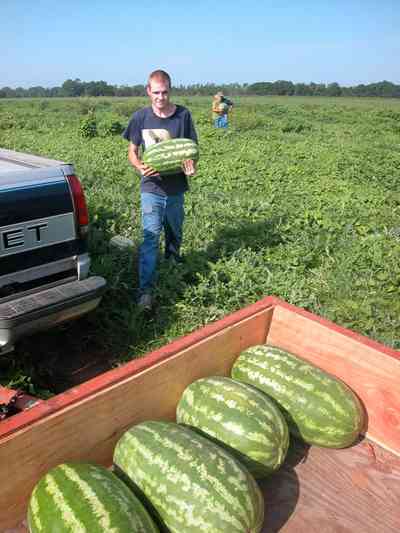
The sweetest watermelons grow during long hot summers.
-
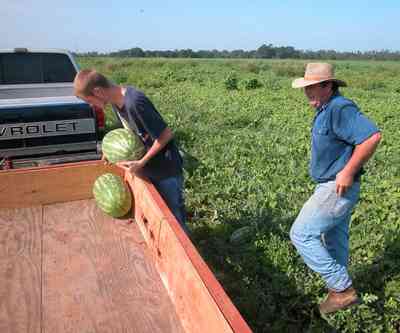
Ninety percent of watermelon is water.
-
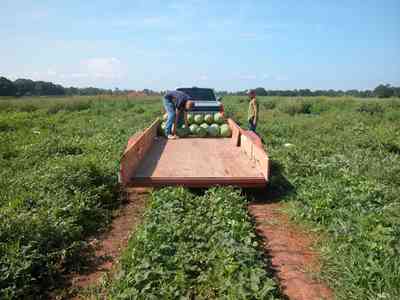
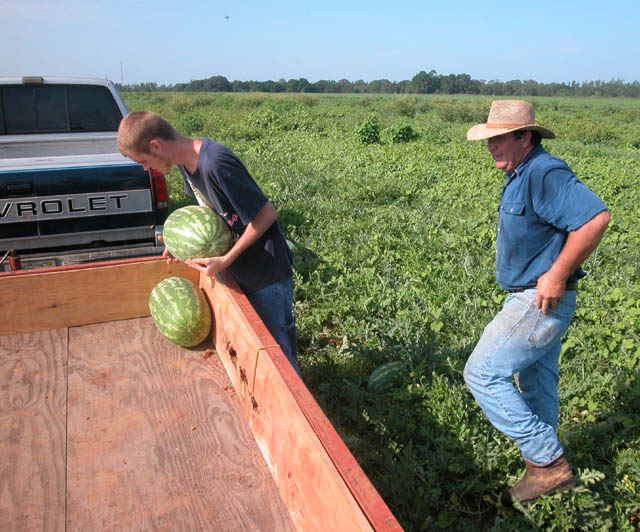
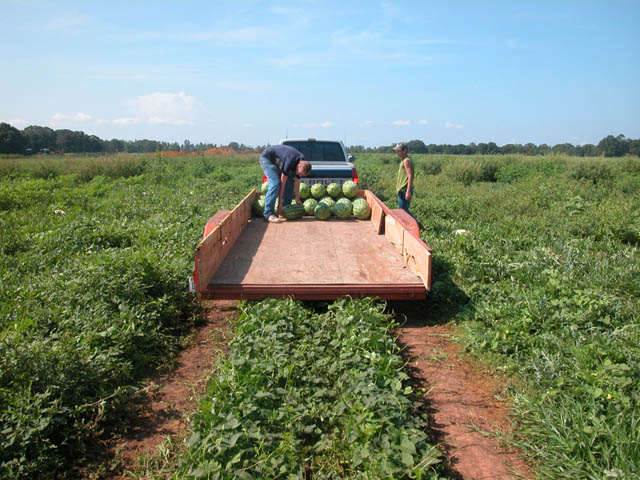
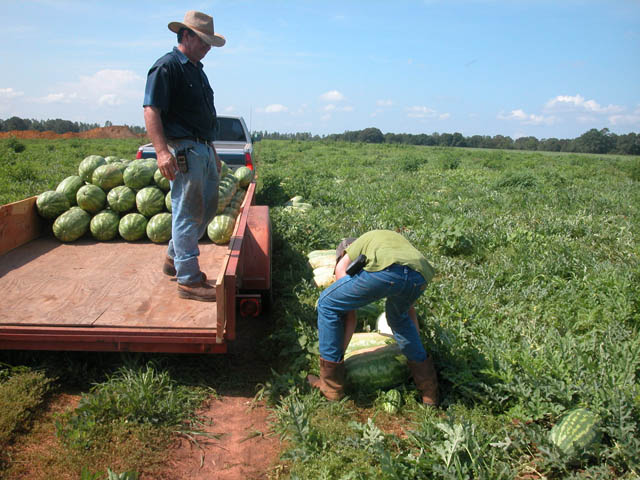
Watermelon vines require considerable space. Seeds are planted one inch deep in hills spaced 6 feet apart. As the watermelon plants grows, the vines converge and the field becomes a sea of green vines.
-
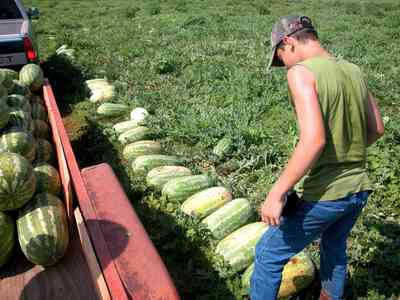
The watermelon require a long growing season with relatively high temperatures. Daytime temperatures between 70 and 80 degrees F and nighttime temperatures between 65 and 70 degrees F are ideal.
-
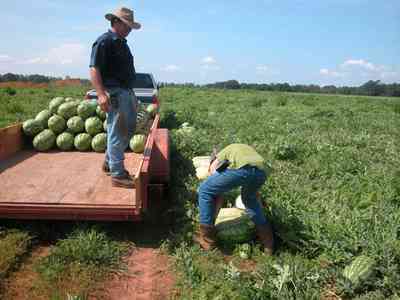
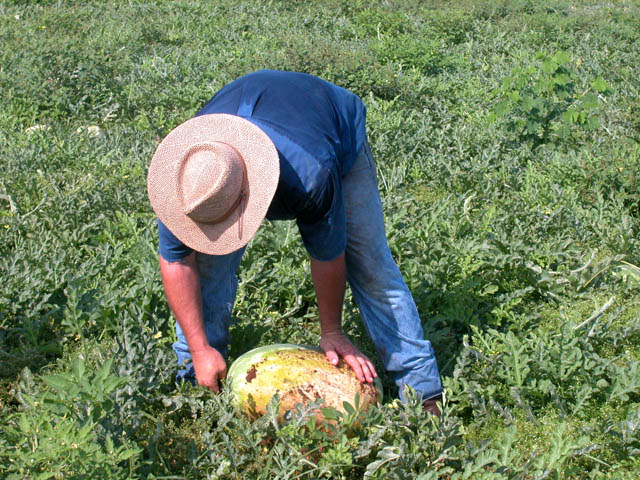
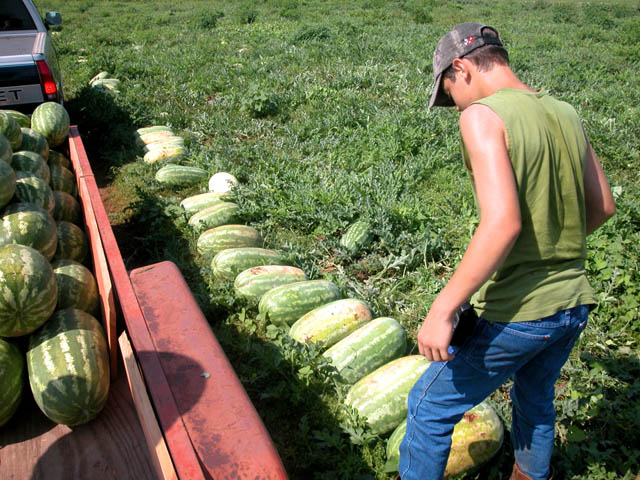
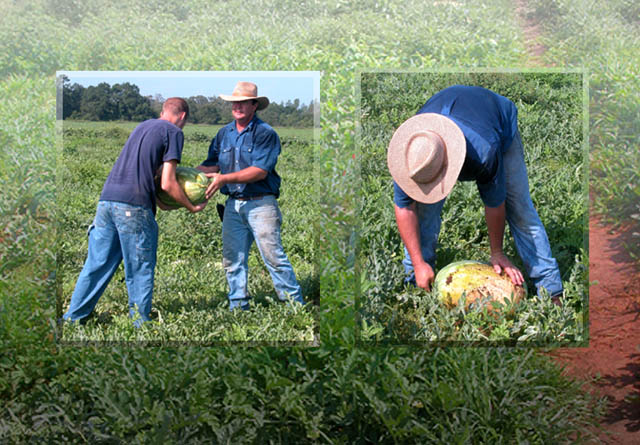
Probably the most important indicator of ripeness is the underside which sets on the ground. Turn the melon over. It should be yellow or creamy colored on the underside. If it is white or pale green the melon is not ready to harvest.
-
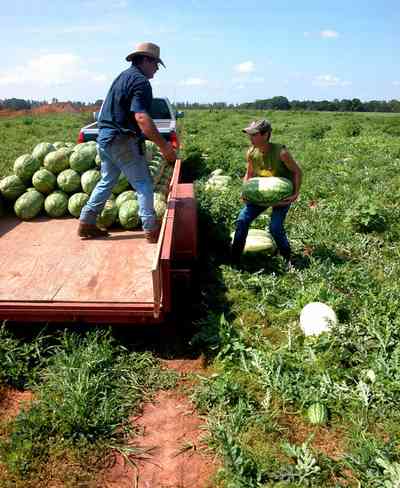
Once picked, uncut watermelon can be stored for about 2 weeks at room temperature.
-
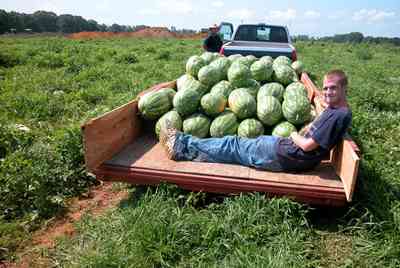
The flesh of the melon should be deep colored with mature seeds. Most watermelons have dark brown or black seeds.
-
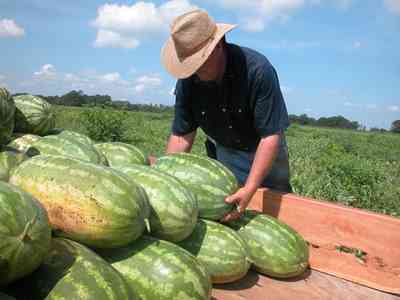
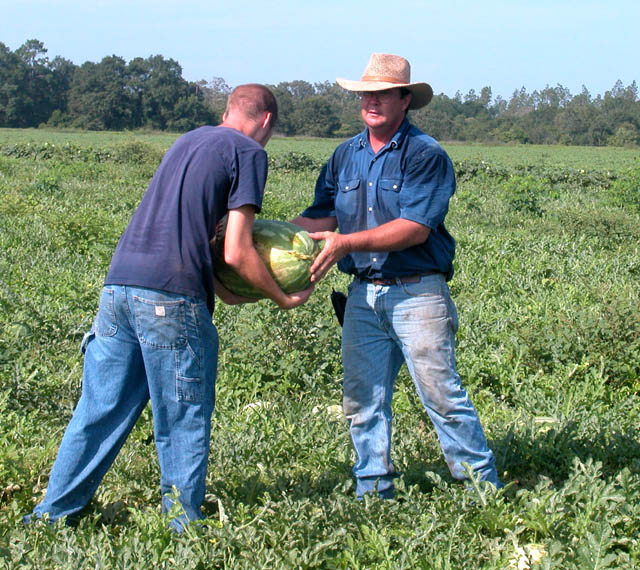
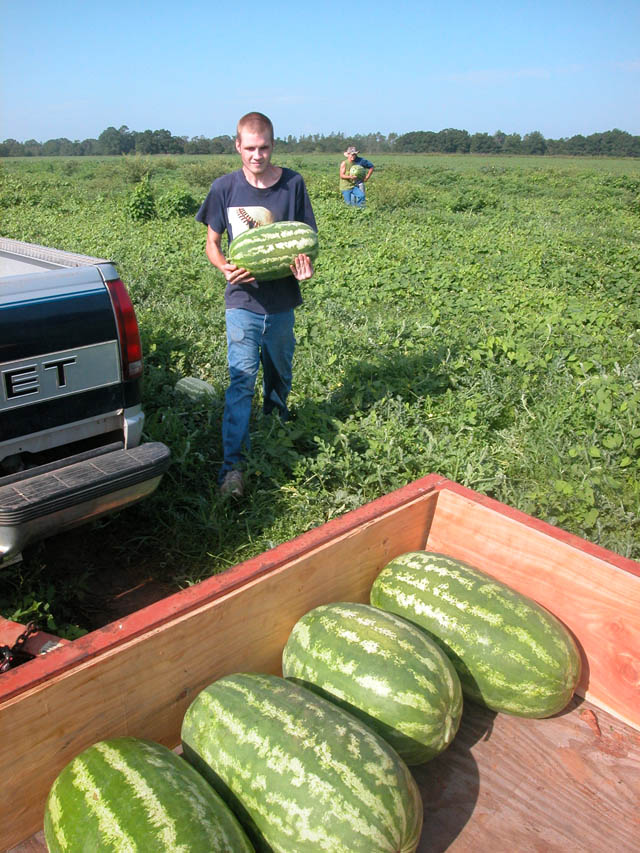
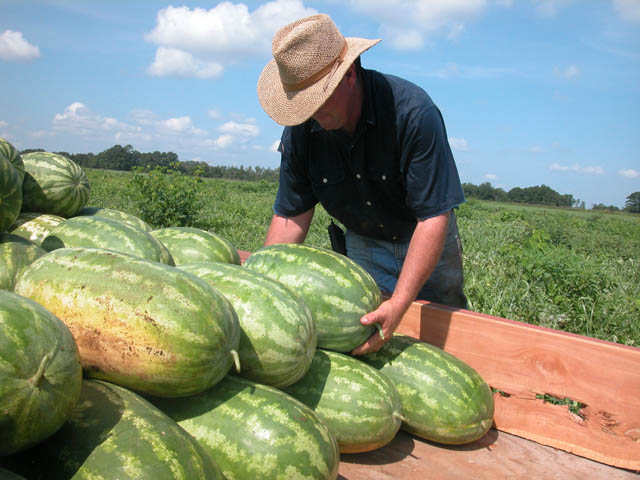
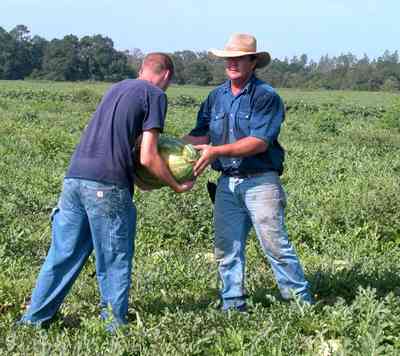
Harvesting is particularly critical because watermelons do not continue to ripen after they have been removed from the vine. They should be picked at full maturity.
-
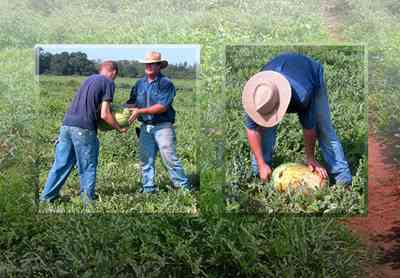
Watermelon is also high in Vitamin C and Vitamin A, in the form of disease fighting beta-carotene. Research also suggests that the red pigmented foods provide this protection.
-
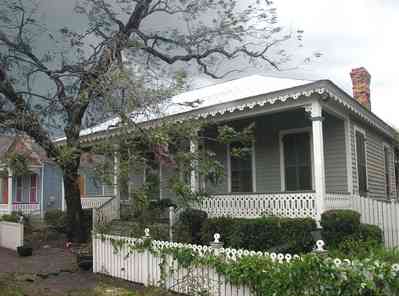
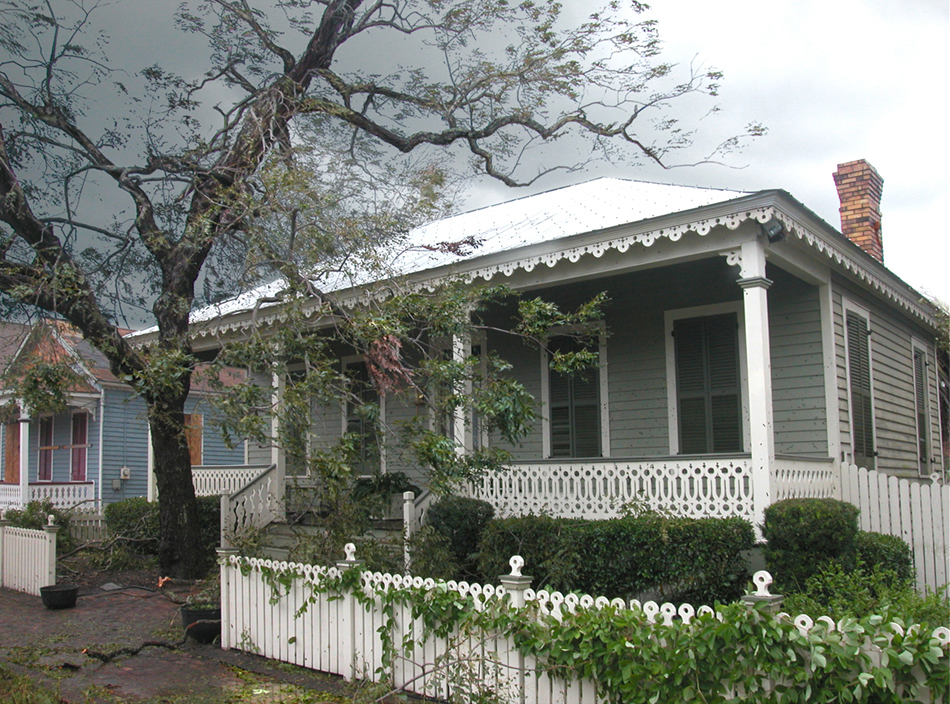
The photo was taken at 10:16 a.m. on September 16th as the winds of Hurricane Ivan were subsiding. There is no damage to the cottage except for a shutter with a defective hinge which can be seen on the far right of the photo.
-
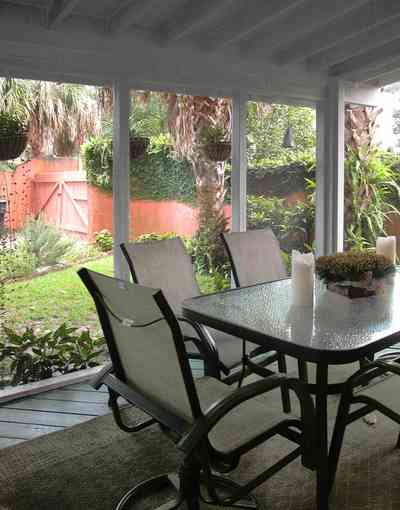
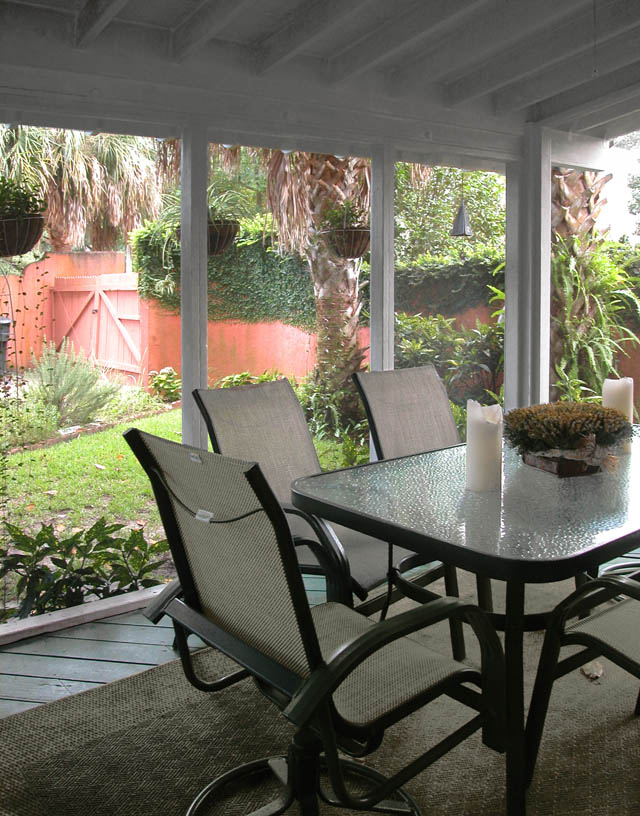
The screened porch adjoins the family room.
-
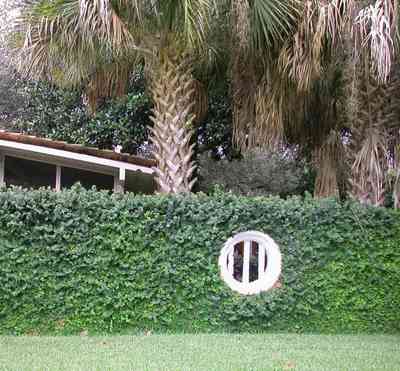
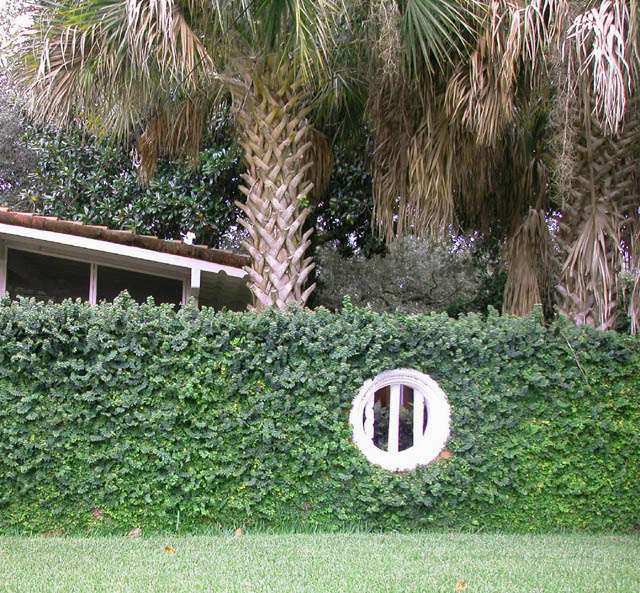
The small window is decorated with three styles of columns used on the house facade.
-
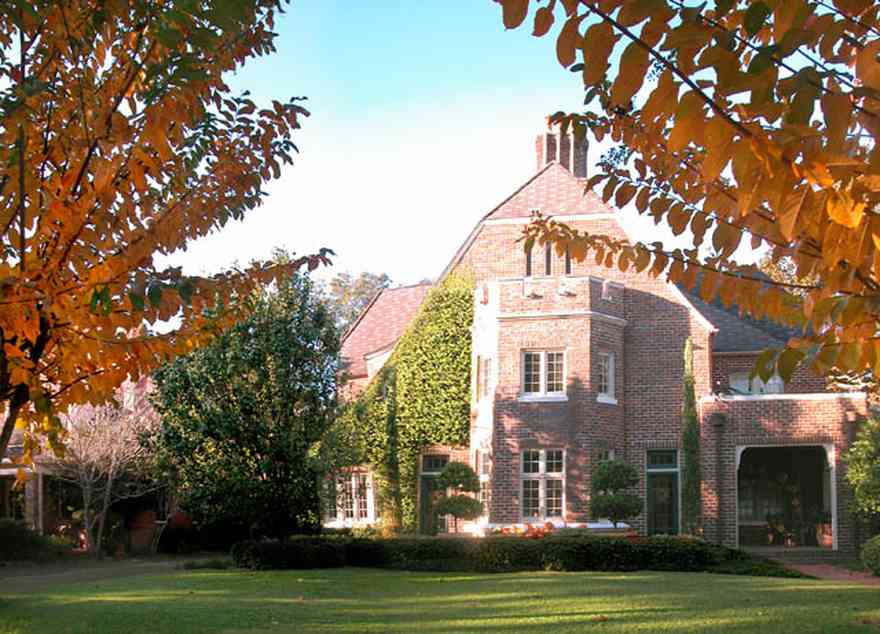
-
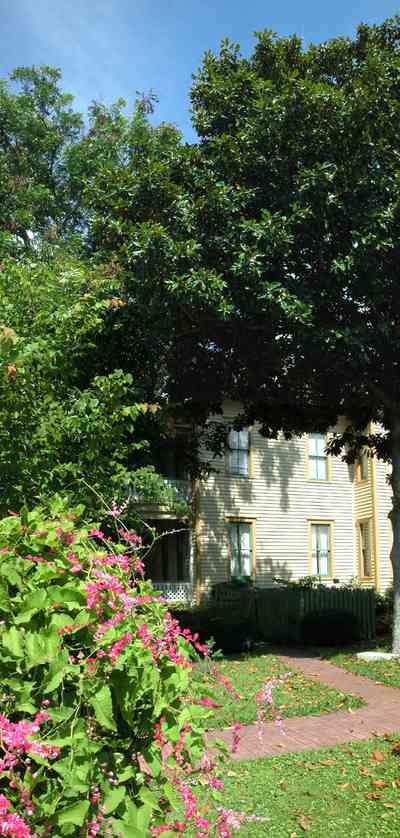
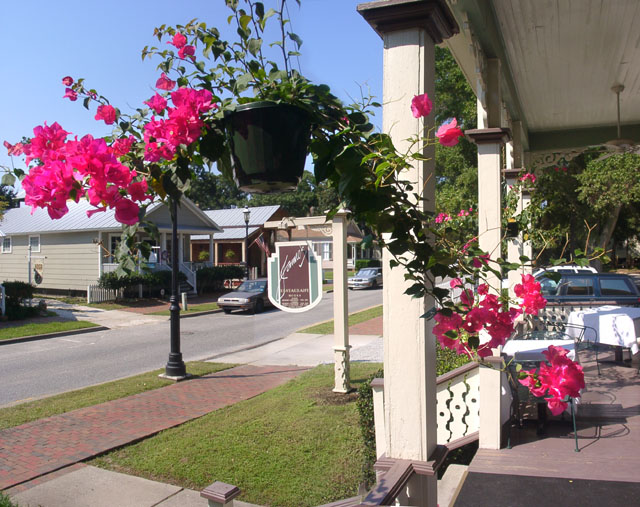
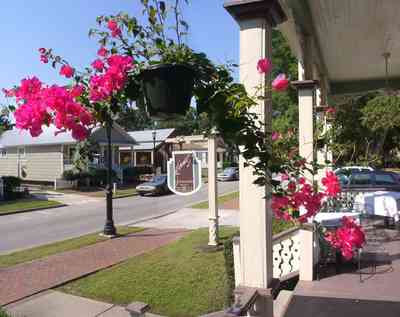
The picket fence along Zaragoza Street provides a place for blooming vines. The east side of the Lear House is in the background.
-
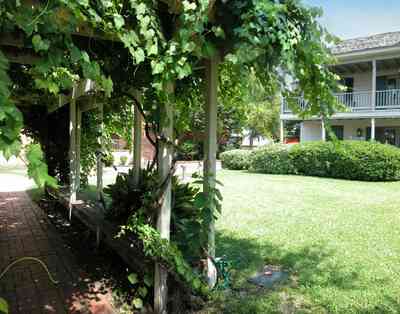
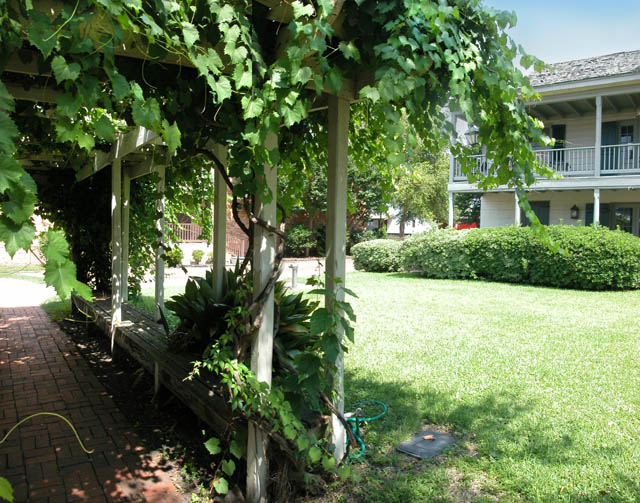
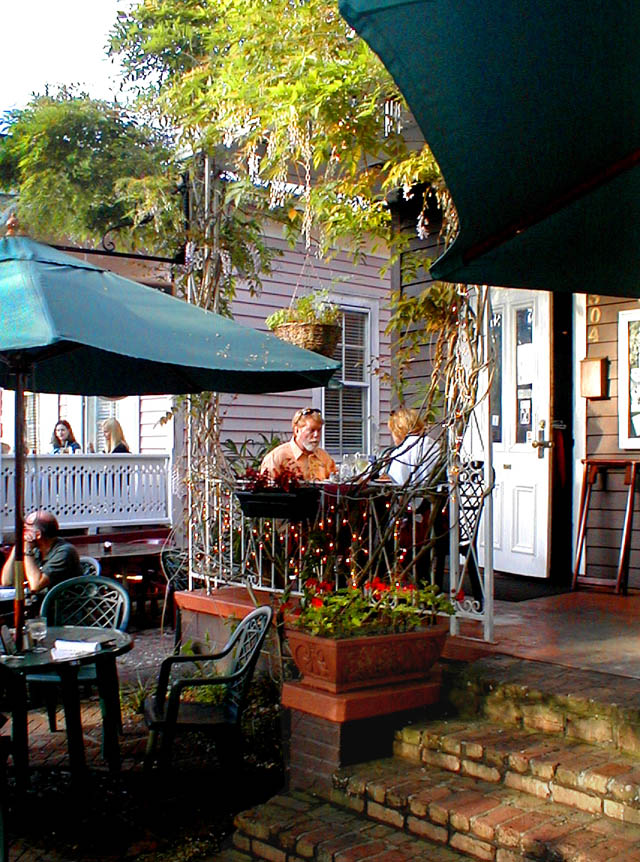
The arbor offers sheltered seating during the hottest time of day.
-
-
-
-
-
-
-
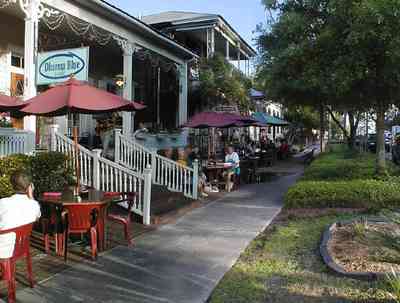
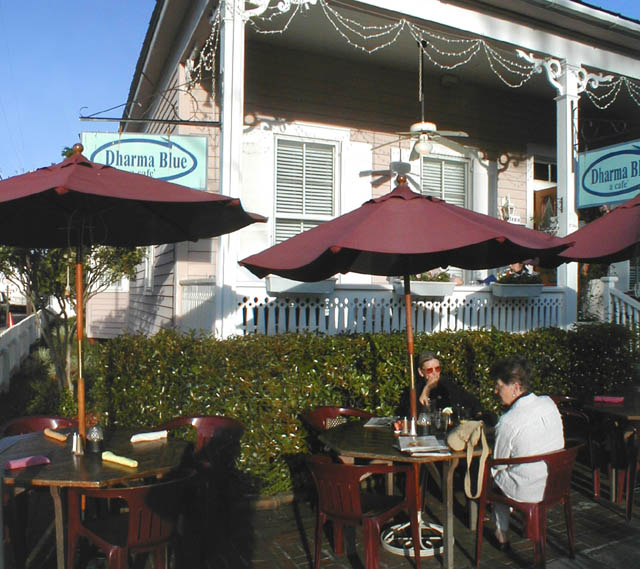
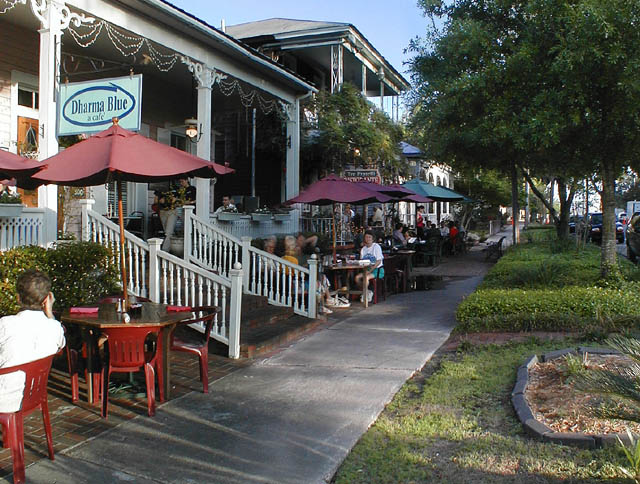
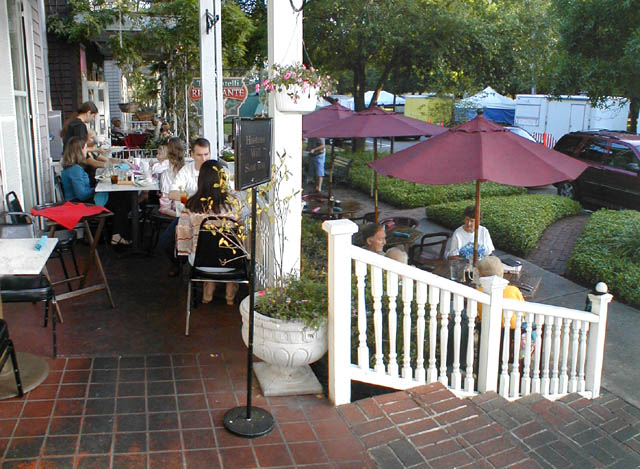
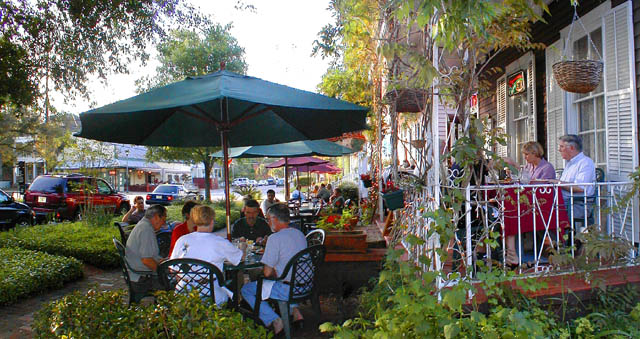
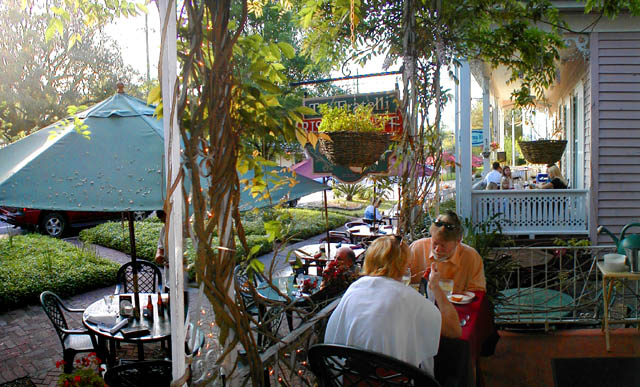
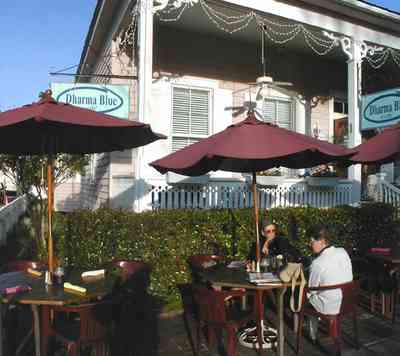
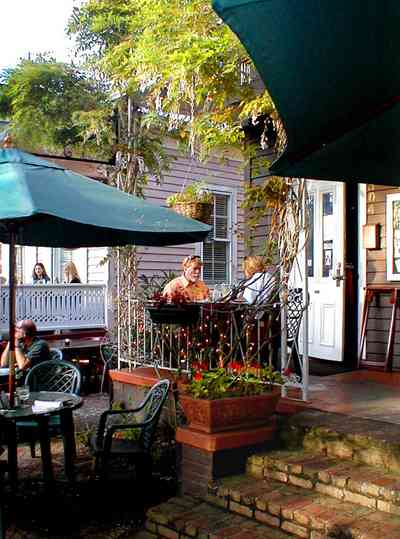
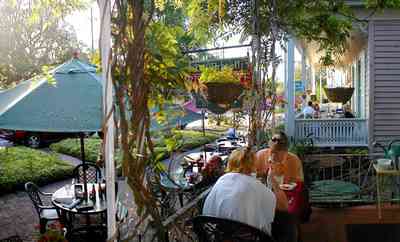
Just beyond Dharma Blue there is an italian restaurant in the two story building. The green umbrellas designate the difference between Dharma and Tre Fratelli's.
-
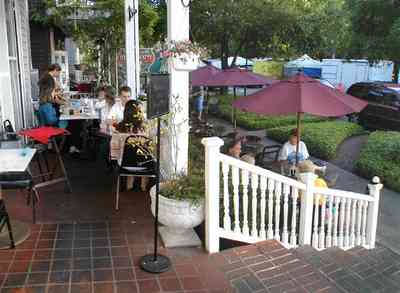
The vendors tents for the Jazz Fest can be seen across Alcaniz Street in the park.
-
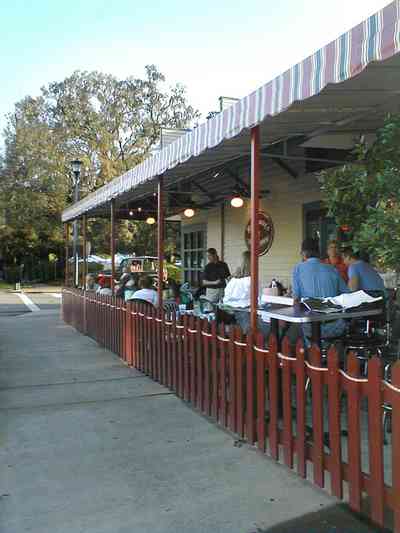
The east side of the building is on Alcaniz Street.
-
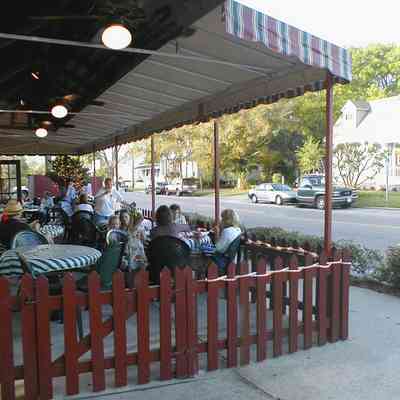
From the northwest corner of Government and Alcaniz, the law firm of Kerrigan, Estees, Rankin and McLeod can be seen across the street.
-
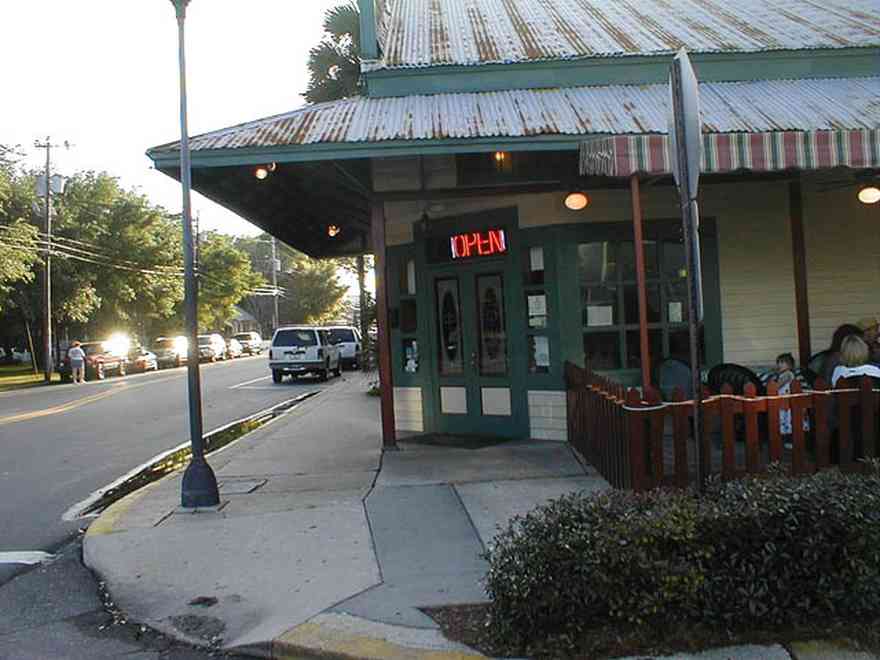
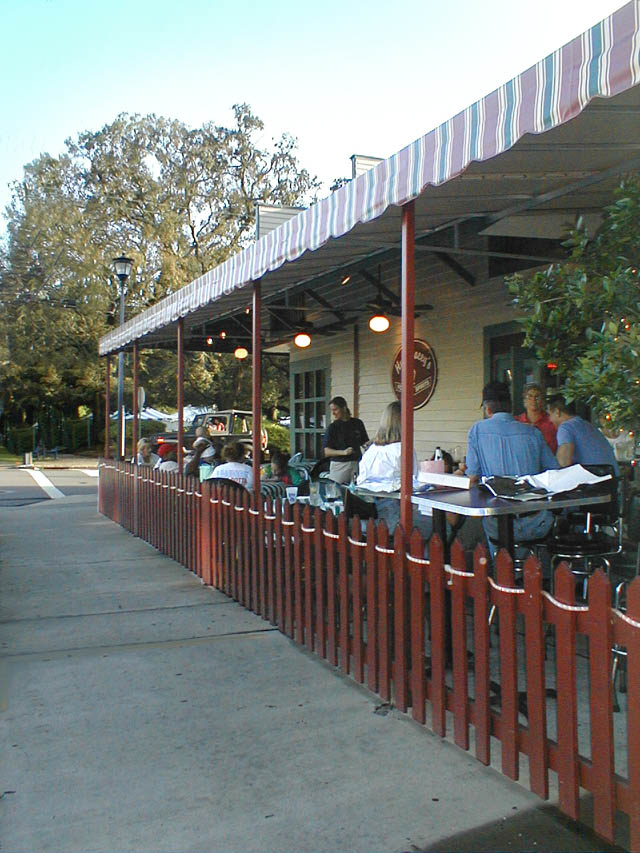
The pub is located on the north side of Seville Square on Government Street.
-
-
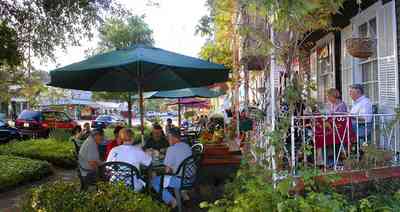
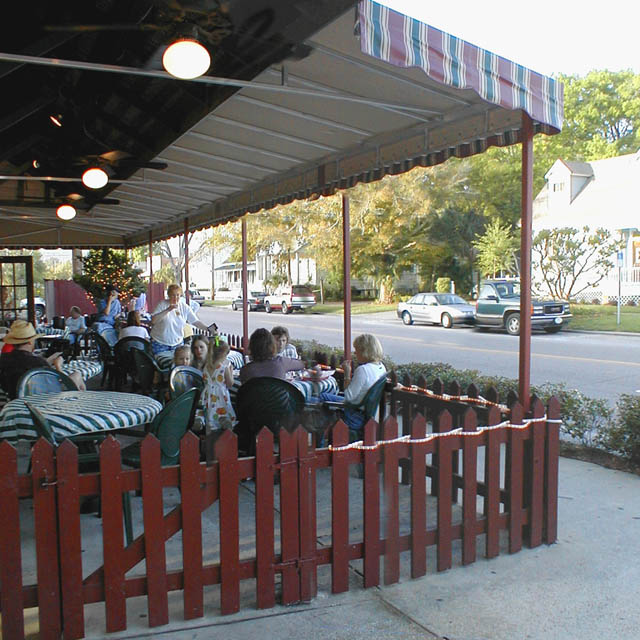
Three outdoor cafes can be seen in this photograph. Hub Stacey's Pub is across Government Street on the left of the photograph. Tre Fratelli is the cafe in the foreground and Dharma Blue has mauve umbrellas in the background.
-
-
 One Tank of Gas